A Comprehensive Travel Guide: The Imperial Cities & Sahara Loop of Morocco
This guide details a classic and immersive circuit through Morocco, connecting the modern Atlantic coast with ancient imperial cities, dramatic desert landscapes, and the rugged peaks of the Atlas Mountains. The route from Casablanca to Marrakech and through a loop encompassing Ait Benhaddou, the Dades Valley, Merzouga, Fes, Meknes, and the Blue City offers a profound journey through the heart of the country’s culture, history, and natural beauty.
Route Overview
The journey is typically a 10 to 14-day loop starting and ending in Casablanca or Marrakech. It involves a mix of modern transportation and, for the desert segment, often a private vehicle or organized tour due to the long distances and specific terrain. The route is designed to showcase the diversity of Morocco, from bustling metropolises to serene oases and vast ergs (sand seas).
Casablanca: The Economic Capital
Casablanca, often the point of entry, is Morocco’s bustling economic hub. It presents a more modern face compared to other cities on this itinerary, but it holds its own unique attractions.
Key Attractions
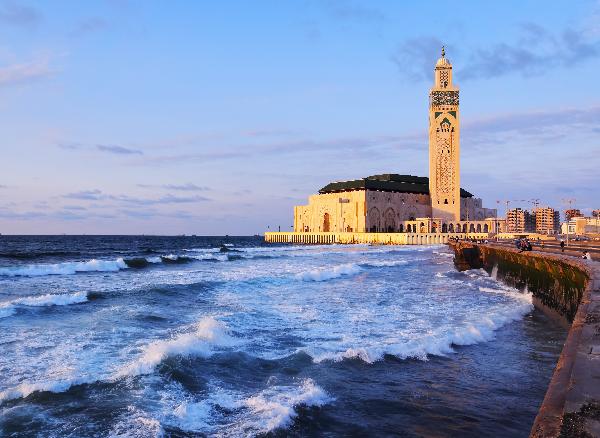
Hassan II Mosque: An architectural masterpiece, this is one of the largest mosques in the world and the only one in Casablanca open to non-Muslims. Its minaret is the world’s tallest. The intricate mosaics, marble floors, and glass floor over the Atlantic Ocean are breathtaking.
Corniche Ain Diab: A lively seafront promenade lined with swimming pools, restaurants, and cafes. It’s a popular spot for an evening stroll or to enjoy a fresh seafood meal.
Habous Quarter (New Medina): Built by the French in the 1930s, this district offers a cleaner, more planned version of a traditional medina. It’s an excellent place to shop for leather goods, traditional clothing, and sample local pastries.
Food & Drink
Being a coastal city, seafood is a must-try. Visit the port area for incredibly fresh fish grilled to order. For a taste of classic Moroccan cuisine in a beautiful setting, restaurants within the Habous Quarter are highly recommended.
Transportation & Accommodation
Mohammed V International Airport is well-connected globally. The city’s tram system is efficient for getting around major points. Taxis are plentiful. Accommodation ranges from international luxury chains along the coast to more modest hotels in the city center.
Marrakech: The Red City
A short train ride from Casablanca brings you to Marrakech, a city that assaults the senses in the best way possible. It’s a vibrant, chaotic, and utterly captivating introduction to Morocco’s imperial past.
Key Attractions
Djemaa el-Fna: The main square and the beating heart of Marrakech. By day, it’s a market with orange juice stalls and snake charmers. By night, it transforms into a massive open-air food court and entertainment venue with storytellers, musicians, and acrobats.
Koutoubia Mosque: The iconic symbol of Marrakech, whose 77-meter minaret dominates the skyline. While non-Muslims cannot enter, its gardens offer a peaceful respite and a perfect photo opportunity.
Bahia Palace: A stunning example of Moroccan and Islamic architecture, with beautiful courtyards, intricate stucco work, and peaceful gardens.
Saadian Tombs: Dating back to the late 16th century, these tombs were sealed up for centuries and rediscovered in 1917. The mausoleum contains the remains of Saadian sultans and is renowned for its exquisite decoration.
Majorelle Garden: A lush and vibrant botanical garden designed by French painter Jacques Majorelle and later owned by Yves Saint Laurent. Its electric blue accents are unforgettable.
Food & Drink
Eat at the food stalls in Djemaa el-Fna for a truly local experience—try snail soup, grilled meats, and harira (a lentil and tomato soup). For a more upscale dining experience, many riads (traditional houses with interior gardens) offer exquisite Moroccan feasts.
Accommodation Tips
Staying in a
riad within the medina is highly recommended for an authentic experience. These are often oases of calm amidst the city’s hustle. For those preferring modern amenities, numerous hotels are located in the Gueliz (new city) district.
The Road to the Sahara: Ait Benhaddou, Ouarzazate & Dades Valley
This segment of the journey involves crossing the High Atlas Mountains via the Tizi n’Tichka pass, a spectacular drive with ever-changing scenery.
Ait Benhaddou
This UNESCO World Heritage site is a fortified village (ksar) made of earthen clay. It’s one of the most iconic and well-preserved kasbahs in Morocco and has served as a backdrop for numerous films, including
Gladiator and Game of Thrones. A guided walk through its narrow lanes and up to the agadir (granary) at the top offers panoramic views.
Ouarzazate
Known as the “Door of the Desert,” Ouarzazate is a strategic crossroads. It’s also home to Atlas Film Studios, one of the largest in the world, where many desert-based movies have been shot. The nearby Taourirt Kasbah is another impressive example of Berber architecture worth exploring.
Todra Gorge
A massive fault in the earth has created this stunning canyon near the town of Tinerhir. The sheer limestone cliffs rise up to 300 meters on either side, with a narrow river at the bottom. It’s a paradise for rock climbers and a breathtaking stop for any traveler. A walk through the gorge is an unforgettable experience.
Accommodation & Cultural Insight
This is a good area to stay in a
kasbah or auberge. Many are beautifully designed with pools and offer stunning views of the surrounding valleys, such as the Dades Gorge. This region is predominantly Berber, and visitors gain insight into their rich culture and traditions.
Merzouga & The Erg Chebbi Dunes
The journey culminates at the edge of the Sahara Desert at Merzouga, where the golden dunes of Erg Chebbi begin. These dunes can reach heights of 150 meters.
The Desert Experience
Camel Trek: The quintessential Sahara activity is a camel trek into the dunes at sunset. The ride leads to a Berber desert camp where you will spend the night.
Desert Camp: Overnighting in a nomadic-style tented camp is a highlight. After a traditional tagine dinner, Berber staff often play music around a campfire under a spectacular canopy of stars.
Sunrise & Sandboarding: Waking up before dawn to watch the sunrise over the dunes is a magical experience. Many camps also offer sandboarding down the steep dune faces.
Practical Tips
The desert can be extremely hot by day and surprisingly cold at night; pack accordingly. A scarf or turban is essential for protecting against sun and sand. Book your desert excursion with reputable operators for a safe and comfortable experience.
The Middle Atlas & Switzerland of Morocco: Ifrane
The route from the desert towards Fes traverses the Middle Atlas mountains, offering a dramatic change in scenery from arid plains to cedar forests and alpine-style towns.
Ifrane
Built by the French in the 1930s as a “garden city,” Ifrane feels entirely out of place in Morocco. With its slanted red roofs, green spaces, and clean streets, it resembles a Swiss village. It’s a popular holiday destination for wealthy Moroccans and a refreshing stop for travelers. The main attraction is its peaceful atmosphere and the nearby Ifrane National Park, home to Barbary macaques (a type of monkey).
Fes: The Cultural & Spiritual Capital
Fes is often considered the most complete medieval city of the Arab world. Its ancient medina, Fes el-Bali, is a UNESCO World Heritage site and a labyrinthine marvel.
Key Attractions
Fes el-Bali: Getting lost in this sprawling, walled medina is part of the experience. It’s a dense network of over 9,000 alleys filled with shops, mosques, homes, and workshops.
Chouara Tannery: The largest and oldest tannery in the city. View it from the terraces of surrounding leather shops for a breathtaking (and aromatic) sight of dye pits laid out like a honeycomb.
Al-Attarine Madrasa & Bou Inania Madrasa: Exquisitely decorated Islamic schools showcasing the finest Moroccan craftsmanship in wood carving, stucco, and zellij (mosaic tilework).
Kairaouine Mosque & University: Founded in 859, it is one of the oldest universities in the world. While non-Muslims cannot enter, its gates offer a glimpse into its vast courtyard.
Food & Cultural Insight
Fes is known for its sophisticated cuisine. Try pastilla, a savory-sweet pigeon pie dusted with cinnamon and sugar. A cooking class is highly recommended here to learn the secrets of Fassi cuisine. Hiring a licensed guide is almost essential to navigate the medina and understand its rich history.
Meknes: The Ismaili Capital
A short drive from Fes lies Meknes, a quieter but equally impressive imperial city. It was the capital of Sultan Moulay Ismail in the 17th century, who built monumental structures to rival Versailles.
Key Attractions
Bab Mansour: Often described as the most beautiful gate in Morocco, this grand entrance to the imperial city is adorned with intricate zellij tilework and inscriptions.
Moulay Ismail Mausoleum: A rare example of a religious site in Morocco that is accessible to non-Muslims. It is a beautifully tranquil place containing the tomb of the powerful sultan.
Heri es-Souani (Royal Granaries): These massive vaults and stables were used to store grain and house thousands of horses, showcasing Moulay Ismail’s ambition and engineering prowess.
Volubilis: Located nearby, this UNESCO-listed Roman ruin is one of the most important archaeological sites in Morocco. Its well-preserved mosaics and Capitol building are stunning.
The Blue Pearl: Chefchaouen or Tetouan
Option 1: Chefchaouen
Tucked in the Rif Mountains, Chefchaouen is famous for its striking blue-washed buildings. The medina is small, relaxed, and incredibly photogenic. It’s a great place to wander aimlessly, shop for unique handicrafts (like wool garments), and enjoy the laid-back atmosphere from a rooftop cafe.
Option 2: Tetouan
A less-visited but culturally rich alternative, Tetouan has a strong Andalusian influence due to its history as a refuge for Muslims and Jews expelled from Spain. Its UNESCO-listed medina is whitewashed rather than blue and feels more authentic and less commercialized than Chefchaouen. It offers a more local experience.
Transportation & Accommodation
Reaching Chefchaouen typically requires a bus or grand taxi from Fes or Meknes. Accommodation consists mainly of charming guesthouses and riads within the blue medina.
The Return Journey: To Casablanca or Marrakech
The final leg of the journey involves traveling from Chefchaouen or Tetouan back to Casablanca or Marrakech. This is typically done by bus (CTM or Supratours are reliable companies) or by grand taxi for shorter segments. It marks the end of an epic loop through some of Morocco’s most iconic landscapes and cities.
General Travel Tips for Morocco
Best Time to Visit: Spring (March-May) and Autumn (September-November) offer pleasant temperatures across the country.
Transportation: Trains are comfortable and connect major cities like Casablanca, Rabat, and Marrakech. For flexibility in remote areas like the desert, renting a car or hiring a private driver/guide is ideal. Buses are economical for long distances.
Bargaining: Haggling is expected in souks (markets). Start at about half the asking price and negotiate with a smile.
Dress Code: Dress modestly, especially when visiting religious sites or smaller towns. Covering shoulders and knees is recommended.
Language: Arabic and Berber are official languages; French is widely spoken. Learning a few basic phrases in Arabic or French (hello, thank you) is appreciated.
Currency: The Moroccan Dirham (MAD). It is a closed currency, so you can only obtain it within Morocco. ATMs are widely available.
This comprehensive circuit provides an unparalleled journey through Morocco’s soul, from its bustling imperial cities to the profound silence of its desert, leaving travelers with memories of breathtaking landscapes and deep cultural encounters.