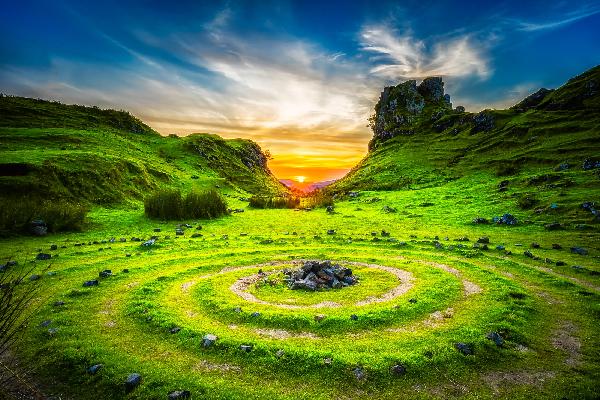
A Comprehensive Travel Guide: Edinburgh, Glasgow, Loch Lomond, Scottish Highlands & Isle of Skye
This guide details a classic Scottish loop, a journey through the heart of the nation’s dramatic landscapes, historic cities, and captivating culture. The route begins and ends in Edinburgh, weaving through the industrial might of Glasgow, the serene beauty of Loch Lomond, the raw wilderness of the Highlands and the Isle of Skye, before returning via historic St Andrews. It is an itinerary designed to showcase the very best of Scotland.
Journey Overview and Logistics
This circular route covers approximately 500-600 miles (800-1000 km), depending on specific detours. The most flexible way to undertake this journey is by car or campervan, allowing for spontaneous stops at secluded viewpoints and hidden gems. However, an extensive network of trains and coaches, combined with local tours, makes the itinerary feasible for those without a vehicle. The best time to travel is from late spring to early autumn (May to September) when days are long, weather is milder, and attractions are fully open, though visitors should always be prepared for rapid weather changes.
Edinburgh: The Historic Capital
Edinburgh, Scotland’s capital, is a city of stark contrasts, where the medieval Old Town and the elegant Georgian New Town coexist, both designated as a UNESCO World Heritage Site.
Attractions: Dominating the skyline, Edinburgh Castle is a must-visit, housing the Crown Jewels and the Stone of Destiny. The Royal Mile, the bustling thoroughfare leading from the Castle to the Palace of Holyroodhouse, is lined with closes (narrow alleyways), shops, and cafes. For a different perspective, hike up Arthur’s Seat, an ancient volcano in Holyrood Park offering panoramic views. In August, the city comes alive with the world-famous Edinburgh Festival Fringe.
Food & Drink: Sample traditional fare like haggis, neeps and tatties at a classic pub such as The Sheep Heid Inn. For a fine dining experience, try modern Scottish cuisine using local produce. Don’t forget to visit a whisky shop or bar to taste Scotland’s national drink.
Transportation: Edinburgh is a very walkable city. Its compact city center is best explored on foot, supplemented by an efficient bus network. Edinburgh Waverley is the main train station, with excellent connections to other UK cities.
Accommodation: Options range from luxury hotels on Princes Street to charming guesthouses in the New Town and budget-friendly hostels in the city center. Booking well in advance is crucial, especially during festival season.
Glasgow: The Creative Powerhouse
A short journey west from Edinburgh lies Glasgow, a city renowned for its vibrant arts scene, stunning Victorian architecture, and friendly locals. It offers a grittier, more modern counterpoint to the historic capital.
Attractions: Art lovers must visit the Kelvingrove Art Gallery and Museum, a free museum with a diverse and impressive collection. Explore the masterpieces of Charles Rennie Mackintosh, including the Glasgow School of Art (check for tour availability post-restoration) and the beautifully restored House for an Art Lover. The Riverside Museum, designed by Zaha Hadid, offers a fascinating look at transport history.
Food & Drink: Glasgow has an exceptional food scene. The Barras Market is a legendary weekend experience. The city is also famous for its “curry mile” on Pollokshaws Road and its innovative restaurants in the Finnieston and Merchant City areas.
Transportation: Glasgow has an extensive subway system (the “Clockwork Orange”), buses, and trains. The journey from Edinburgh to Glasgow by train takes less than an hour and is highly frequent.
Accommodation: Stay in the stylish West End for a bohemian vibe, the Merchant City for nightlife, or the City Centre for convenience.
Loch Lomond & The Trossachs National Park
Departing Glasgow northwards, travelers enter the first taste of the Scottish wilderness at Loch Lomond and The Trossachs National Park. This area is known as the “Highlands in Miniature.”
Attractions: Loch Lomond itself is Britain’s largest inland body of water by surface area. Take a cruise from Tarbet or Luss to appreciate its scale and beauty. For the active traveler, hiking part of the West Highland Way or climbing Ben Lomond provides stunning rewards. The picturesque village of Luss is a popular stop for its charming cottages and loch-side views.
Food & Drink: Enjoy fresh seafood at a loch-side restaurant. Pubs in villages like Balmaha offer classic Scottish pub food in a cozy atmosphere.
Transportation: Driving along the A82 road offers spectacular views. Regular train services run from Glasgow to Balloch and Tarbet on the western shore.
Accommodation: Options include hotels in larger villages like Balloch, charming B&Bs in Luss, or remote self-catering cottages for a more secluded experience.
The Scottish Highlands & Glencoe
Continuing north on the A82, the landscape becomes increasingly dramatic as you enter the heart of the Scottish Highlands. This is a land of deep valleys, towering mountains, and a profound sense of history.
Attractions: The pass of Glencoe is one of Scotland’s most iconic and hauntingly beautiful landscapes. Its steep-sided glen evokes the memory of the 1692 Massacre of Glencoe. Stop at the Glencoe Visitor Centre for insights into its natural and human history. Further north lies Fort William, billed as the “Outdoor Capital of the UK,” and a gateway to Ben Nevis, the highest mountain in the British Isles.
Food & Drink: Stop at the Clachaig Inn in Glencoe for a classic Highland pub experience with live music and local ales. Fort William has a range of restaurants catering to travelers.
Transportation:The A82 is the main artery through this region. The West Highland Railway line from Glasgow to Fort William is considered one of the world’s most scenic train journeys.
Accommodation: From climbers’ bunkhouses in Fort William to luxurious lodges with views of Glencoe, there is something for every budget.
Glenfinnan Viaduct & The Road to the Isles
A short drive west from Fort William leads to one of Scotland’s most photographed locations.
Attractions: The Glenfinnan Viaduct, a magnificent 21-arch railway viaduct, gained fame from the Harry Potter films. Witnessing the Jacobite Steam Train (the “Hogwarts Express”) cross it is a magical experience. Check the train schedule in advance. The nearby Glenfinnan Monument commemorates the 1745 Jacobite Rising.
The Journey:The road from Fort William to Mallaig (the A830) is known as “The Road to the Isles,” passing through stunning coastal and mountainous scenery.
The Mysterious Loch Ness
Heading north from Fort William, travelers reach the famous Loch Ness.
Attractions:The main draw is, of course, the legend of the Loch Ness Monster, “Nessie.” While sightings are rare, the mystery adds to the allure. Take a boat cruise from Drumnadrochit or Fort Augustus to explore the loch. At Drumnadrochit, you can visit the Loch Ness Centre and Exhibition which explores the history and science behind the myth. The ruins of Urquhart Castle perched on the loch’s shore provide a dramatic photo opportunity.
Food & Drink:The Dores Inn, located on the quieter eastern shore, offers fantastic views across the loch and classic pub food.
The Isle of Skye: A Landscape of Legends
Connected to the mainland by a bridge at Kyle of Lochalsh, the Isle of Skye is a highlight of any Scottish trip, boasting some of the most spectacular and otherworldly scenery in the country.
Attractions:The island’s landmarks are legendary. The Old Man of Storr is a pinnacle of rock that requires a steep but rewarding hike. The Quiraing on the Trotternish Ridge offers an epic landscape walk. Fairy Pools in Glen Brittle are crystal-clear blue pools at the foot of the Cuillin mountains, popular for wild swimming. Don’t miss Dunvegan Castle, the oldest continuously inhabited castle in Scotland.
Food & Drink:Skye has become a culinary destination. Enjoy fresh seafood, especially langoustines and mussels. The island is also home to the renowned Three Chimneys restaurant and the Talisker Distillery, producing a classic single malt Scotch whisky.
Transportation:A car is highly recommended to explore Skye fully due to its size and dispersed attractions. Local buses exist but are infrequent.
Accommodation:Book months in advance, especially for summer. Options range from hotels in Portree (the main town) to remote B&Bs and self-catering cottages across the island.
The Return Journey: Pitlochry & St Andrews
The return route south from Inverness or Skye allows for stops in charming towns rich in history and natural beauty.
Pitlochry:A beautiful Victorian town in Perthshire known as a gateway to the Highlands. Visit the Edradour Distillery, Scotland’s smallest traditional distillery, or see salmon leap at the Pitlochry Dam and Fish Ladder.
St Andrews:This historic coastal town on the east coast is globally famous as the “Home of Golf.” Even non-golfers will enjoy walking the Old Course and visiting the British Golf Museum. The impressive ruins of St Andrews Cathedral and its adjacent castle clinging to the cliff edge are not to be missed. The town is also home to Scotland’s oldest university, giving it a vibrant, youthful energy.
Cultural Insights and Practical Tips
The Gaelic Language:While English is universally spoken, you will see Gaelic (Gàidhlig) on road signs, especially in the Highlands and Islands. It is a living part of Scottish culture.
The Weather:The saying “four seasons in one day” is accurate. Pack waterproof layers, warm clothing (even in summer), and sturdy footwear regardless of the forecast.
Midges:Tiny biting insects called midges can be a nuisance in still weather during summer (May-September). A good insect repellent (often called “midge repellent”) and/or a midge head net are wise investments.
Tipping:A service charge (usually 10-12.5%) is often added to bills in restaurants. If not, it is customary to leave a tip of around 10-15% for good service. Tipping in pubs is not expected.
Shopping:Look for high-quality local products like cashmere, tweed, shortbread, and Scotch whisky as authentic souvenirs.
A journey through this Scottish circuit is more than just a vacation; it is an immersion into a land of profound beauty, resilient history, and warm hospitality. From city streets to mountain peaks, it leaves an indelible mark on all who travel it.