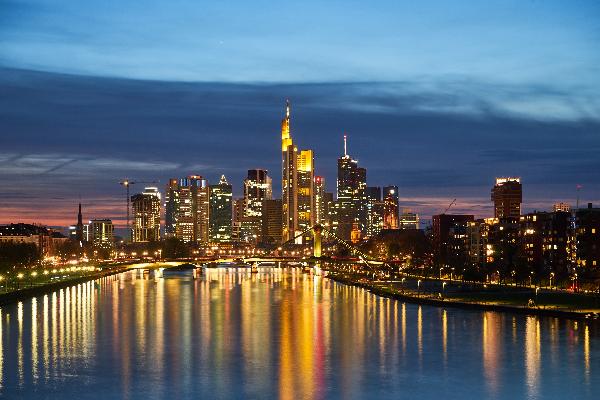
Heart of Western Europe: A Grand Tour from Frankfurt to Paris and Back
This comprehensive travel guide details a classic circuit through the heart of Western Europe, connecting the economic powerhouse of Germany with the romantic allure of France and the charming, historic low countries of the Netherlands, Belgium, and Luxembourg. The journey is a rich tapestry of medieval towns, world-class art, stunning architecture, gourmet cuisine, and diverse cultures, all connected by efficient and convenient transportation networks.
Trip Overview and Logistics
This itinerary is typically undertaken over a period of 14 to 21 days, allowing for a comfortable pace to explore each destination. The route is ideally suited for train travel, with extensive high-speed and regional rail connections linking all major cities. Renting a car offers more flexibility for exploring the countryside, but parking in city centers can be challenging and expensive.
Best Time to Visit: Late spring (May-June) and early autumn (September-October) offer mild weather, fewer crowds, and beautiful scenery. Summer (July-August) is peak season with warmer weather but also larger crowds and higher prices. Winter can be cold but is magical with Christmas markets.
Currency: Euro (€) is used in all five countries on this itinerary.
Getting Around: The Eurail Global Pass or Interrail Pass (for European residents) is highly recommended for this multi-country trip. Regional trains and city public transport systems are efficient and reliable.
Accommodation Tip: Book well in advance, especially for major cities like Amsterdam, Paris, and Brussels during peak season. Consider a mix of central city hotels for convenience and perhaps a unique stay in a Belgian B&B or a Dutch houseboat.
Germany: Start of the Journey
Frankfurt
Often the gateway to this tour due to its major international airport, Frankfurt am Main is a city of contrasts, where soaring skyscrapers coexist with reconstructed historical landmarks.
Attractions: The Römerberg is the city’s historic heart, featuring picturesque half-timbered houses. The Museumsufer (Museum Embankment) offers a dense collection of world-class museums along the Main River. For panoramic views, visit the main observation deck of the Main Tower.
Food & Drink: Frankfurt is famous for its Apfelwein (apple wine), a tart cider traditionally drunk in Sachsenhausen’s apple wine taverns. Try Grüne Soße (Green Sauce), a herb-based condiment served with boiled eggs and potatoes, and the classic Frankfurter Würstchen.
Transportation: Frankfurt Airport (FRA) is a major hub. The city has an excellent U-Bahn (subway) and S-Bahn (commuter rail) system. It is a central node for German (DB) and international high-speed trains (ICE).
Cologne (Köln)
A short train ride north from Frankfurt lies Cologne, a vibrant city dominated by its breathtaking cathedral.
Attractions: The Cologne Cathedral (Kölner Dom), a UNESCO World Heritage site, is a masterpiece of Gothic architecture. Climb the 533 steps to the south tower for a rewarding view. Cross the Hohenzollern Bridge, famous for its “love locks,” and explore the Old Town (Altstadt) with its charming pubs and the historic City Hall (Rathaus).
Food & Drink: Cologne is known for its light beer, called Kölsch, which is served in small, cylindrical glasses. Typical local dishes include Himmel un Ääd (black pudding with mashed potatoes and apple sauce) and Rheinischer Sauerbraten (a pot roast, traditionally marinated).
Transportation: Cologne’s main train station (Köln Hauptbahnhof) is located right next to the cathedral. The city is well-connected by trams and buses.
The Netherlands: Canals, Windmills, and Modernity
Amsterdam
A direct train from Cologne brings travelers to Amsterdam, the vibrant capital of the Netherlands, known for its elaborate canal system, artistic heritage, and narrow houses with gabled facades.
Attractions: Take a canal cruise for a unique perspective of the city. Visit the Rijksmuseum to see Rembrandt’s “Night Watch,” the Van Gogh Museum, and the Anne Frank House (book tickets months in advance). Explore the Jordaan district for its quaint streets and cafes.
Food & Drink: Try stamppot (mashed potato with vegetables), bitterballen (deep-fried meat-based croquettes), and sample Dutch cheeses like Gouda and Edam. For a sweet treat, have a stroopwafel (two thin waffles with a caramel syrup filling).
Cultural Insight: Amsterdam is a city built on tolerance and practicality. Bicycles are the king of the road; always be aware of dedicated bike lanes. The concept of “gezelligheid” (coziness, conviviality) is central to Dutch culture.
Transportation: The city center is best explored on foot or by bicycle. The GVB public transport system (trams, buses, metro) is extensive. Amsterdam Central Station is the main hub for national and international trains.
Zaanse Schans (Windmill Village)
A short train or bus ride from Amsterdam, Zaanse Schans is an open-air museum that brings Dutch history to life.
Attractions: See working windmills that were used for tasks like grinding spices and sawing wood. Visit the wooden shoe workshop to see how traditional klompen are made, and explore the cheese farm. The green-painted houses and warehouses are typical of the Zaan region.
Transportation: Easily reachable by a 17-minute train ride from Amsterdam Central to Koog-Zaandijk station, followed by a 10-minute walk.
The Hague (Den Haag) & Rotterdam
These two cities, located close to each other, offer contrasting experiences.
The Hague: As the International City of Peace and Justice and the seat of the Dutch government, The Hague is more formal. Key sights include the Binnenhof (Inner Court – Parliament complex), the Mauritshuis museum (home to Vermeer’s “Girl with a Pearl Earring”), and Scheveningen, its popular beach resort.
Rotterdam: Known for its bold, modern architecture, having been rebuilt after WWII. Marvel at the Cube Houses (Kubuswoningen), the impressive Markthal (indoor food market), and take a boat tour of one of the world’s largest ports, the Europoort. The Erasmusbrug (Erasmus Bridge) is an iconic city symbol.
Transportation: Both cities are a short train ride from Amsterdam (30-50 minutes) and are well-connected to each other by train (approx. 25 minutes). Rotterdam is a major stop for Thalys high-speed trains to/from Paris and Brussels.
Belgium: Medieval Splendor and Chocolate
Antwerp
A quick train journey south from Rotterdam leads to Antwerp, a port city in Belgium that is a global center for diamond trade and a fashion capital.
Attractions:The colossal Cathedral of Our Lady houses several masterpieces by Baroque painter Peter Paul Rubens. Explore the Grote Markt with its ornate guildhouses and the Brabo Fountain. Visit the Rubenshuis, the former home and workshop of the artist. The monumental Antwerp Central Station is often called the “Railway Cathedral.”
Food & Drink: This is the place to indulge in Belgian chocolates from local chocolatiers. Enjoy a glass of hundreds of different varieties of Belgian beer. Must-try local dishes include Flemish Stew (Stoverij/Carbonade Flamande), cooked in beer, and crispy frites with mayonnaise.
Bruges (Brugge)
A UNESCO World Heritage site, Bruges is a perfectly preserved medieval fairy-tale city, often called the “Venice of the North” due to its canals.
Attractions:A boat tour through the canals is essential. Climb the 366 steps of the Belfry of Bruges in the main market square (Grote Markt) for stunning views. Visit the Basilica of the Holy Blood, which reputedly houses a vial of Christ’s blood. Enjoy the serene atmosphere at the Begijnhof