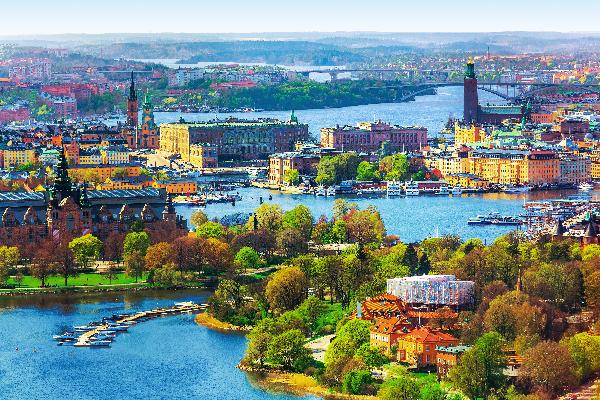
A Comprehensive Nordic and Baltic Travel Guide: Hamburg to Berlin
This guide details a grand tour through the heart of Scandinavia and Northern Europe, connecting vibrant cities, stunning fjords, and charming towns. The itinerary is a loop starting and ending in major transport hubs, making it ideal for a multi-week adventure by train, ferry, and road.
Introduction to the Journey
This extensive route takes you from the maritime flair of Hamburg through the chic Danish capital, across the dramatic Scandinavian coastline to the archipelagic capitals of Stockholm and Helsinki. It then delves into the soul of Norway, traversing its world-famous fjords and mountainous terrain, before looping back through Germany’s dynamic capital. It’s a journey defined by water, design, nature, and history.
Hamburg, Germany
Your journey begins in Hamburg, Germany’s “Gateway to the World.” This port city is defined by its relationship with water and its modern, maritime energy.
Attractions: The Elbphilharmonie is a must-see, both for its stunning architecture and the panoramic city views from its plaza. Explore the historic Speicherstadt, the world’s largest warehouse district, with its red-brick Gothic buildings crisscrossed by canals. For a contrasting experience, visit the lively Reeperbahn in the St. Pauli district, the city’s famous entertainment and nightlife street.
Food: Sample Franzbrötchen, a local cinnamon pastry. For lunch, the Fischbrötchen (fish sandwich) at the Fischmarkt (especially on a Sunday morning) is a quintessential Hamburg experience. For a hearty meal, try Labskaus, a traditional sailor’s dish.
Transportation: Hamburg has an excellent U-Bahn and S-Bahn system. The main train station, Hamburg Hauptbahnhof, is one of Europe’s busiest and your likely point of arrival/departure.
Cultural Insight: Hamburg is wealthy, sophisticated, and less tourist-centric than Berlin or Munich. It has a proud mercantile history and a contemporary cultural scene, evident in its impressive concert halls and museums.
Copenhagen, Denmark
A short train ride over the stunning Øresund Bridge brings you to Copenhagen, a city synonymous with hygge (coziness), exceptional design, and a relaxed pace of life.
Attractions: Pay a visit to the iconic Little Mermaid statue, then explore the impressive Kastellet fortress nearby. Stroll through the colorful canal district of Nyhavn. Don’t miss the free town of Christiania, a unique social experiment. The Tivoli Gardens amusement park is magical, especially at night.
Food: Copenhagen is a foodie’s paradise. Try the classic open-faced sandwich, smørrebrød. For a budget-friendly feast, seek out a pølsevogn (sausage wagon). The city is also famous for its fine-dining scene, including world-renowned Noma.
Transportation: The city is incredibly bike-friendly, and renting a bicycle is the best way to explore. The metro system is also clean, efficient, and easy to navigate.
Cultural Insight: Danish culture values equality, simplicity, and functionality (think Danish Modern design). The work-life balance is excellent, and this contentment is palpable in the city’s atmosphere.
Helsingborg, Sweden
A short ferry ride from Helsingør (home of Kronborg Castle, the setting of Hamlet) across the Øresund strait lands you in Helsingborg. This is your entry point into Southern Sweden.
Attractions: Climb the medieval Kärnan (The Core) tower in the city center for fantastic views of the strait and Denmark. Take a pleasant walk through the Sofiero Palace gardens, especially beautiful in spring and summer.
Food: As a coastal city, fresh seafood is a highlight. This is also a good place to enjoy a classic Swedish fika (coffee and pastry break).
Transportation: Helsingborg is a major transport hub with frequent train connections to Stockholm and other Swedish cities. The ferry terminal is within walking distance of the central station.
Cultural Insight: Helsingborg has a long history of rivalry and connection with Denmark, giving it a distinct cultural flavor within Sweden.
Stockholm, Sweden
The train journey north to Stockholm reveals lovely Swedish countryside. Stockholm, built on 14 islands, is a beautiful blend of history, innovation, and natural beauty.
Attractions: Explore the well-preserved medieval old town, Gamla Stan. Visit the Vasa Museum, which houses an almost fully intact 17th-century warship that sank on its maiden voyage. Wander through the trendy Södermalm district for great views and boutique shopping. The Royal Palace is also worth a tour.
Food: Indulge in traditional Swedish meatballs with lingonberries and cream sauce. For a unique experience, try fermented herring (surströmming) if you’re brave. The Östermalms Saluhall is a beautiful food market hall offering a range of Swedish delicacies.
Transportation: Stockholm’s Tunnelbana (T-bana) metro system is efficient, and its stations are often called “the world’s longest art gallery.” Ferries are also part of the public transport network, providing a scenic way to get around.
Cultural Insight: Swedes value lagom (not too much, not too little, just right), which reflects in their balanced lifestyle and minimalist design aesthetic. Fika is a sacred daily ritual.
Helsinki, Finland
A delightful overnight ferry ride across the Baltic Sea brings you to Helsinki, a city where Eastern and Western influences merge with unique Finnish design.
Attractions: Visit the striking Temppeliaukio Church (Rock Church), carved directly into solid rock. Wander through the Suomenlinna Sea Fortress, a UNESCO World Heritage site spread across several islands. The Senaatintori (Senate Square) and the Uspenski Cathedral showcase the city’s Neoclassical and Russian architectural influences.
Food: Don’t leave without trying a Finnish sauna experience followed by a makkara (grilled sausage). Sample reindeer meat and creamy salmon soup. For a sweet treat, try a Karelian pie.
Transportation: Helsinki is compact and very walkable. Trams are a charming and efficient way to see the city sights.
Cultural Insight: Finnish culture is deeply connected to nature and silence. The concept of Sisu—a form of stoic determination and resilience—is a core part of the national identity. The sauna is a cultural institution.
The Norwegian Fjords & Mountain Core: Oslo to Bergen
The journey from Oslo to Bergen via the “Norway in a Nutshell” route is one of the most spectacular train trips in the world.
Oslo to Myrdal
The Bergen Railway (
Bergensbanen) takes you from Oslo up through forests and past lakes, gradually ascending into the barren, breathtaking Hardangervidda mountain plateau, Europe’s largest.
The Flåm Railway (Flåmsbana)
At Myrdal, you disembark onto one of the world’s steepest railway lines. The Flåmsbana descends dramatically from the high mountains down to the tiny village of Flåm, nestled in the heart of the Aurlandsfjord. The views of waterfalls and deep valleys are unparalleled.
Sognefjord Cruise: Flåm to Gudvangen
From Flåm, you board a ferry for a cruise on the Aurlandsfjord and the narrow, dramatic Nærøyfjord (a UNESCO World Heritage site). Sheer mountain walls, waterfalls, and small farms cling to the slopes. This is the quintessential fjord experience.
Gudvangen to Voss to Bergen
A bus takes you from Gudvangen up the steep Stalheimskleiva road to Voss, a beautiful town known for its extreme sports. From Voss, you complete the final leg by train to Bergen.
Practical Tip: Book the “Norway in a Nutshell” tour as a single ticket for seamless connections, or book each leg separately for more flexibility. The trip can be done in one long day, but it’s highly recommended to spend a night in Flåm or Gudvangen.
Bergen, Norway
The historic Hanseatic port city of Bergen is rained on frequently but is endlessly charming.
Attractions: Explore the iconic, colorful wooden wharves of Bryggen, a UNESCO site. Ride the Fløibanen Funicular to the top of Mount Fløyen for stunning views of the city and fjords. Visit the lively fish market at the harbor front.
Food: Bergen is famous for its seafood. Try fish soup or freshly caught fish from the market. Also sample skillingsboller, a local cinnamon bun.
Transportation: Bergen is very walkable. It’s also the starting point for countless fjord cruises and tours.
Cultural Insight: Bergen has a strong regional identity and was Norway’s capital in the 12th-13th centuries. Its weather has shaped a culture of cozy indoor living.
The Hardangerfjord Route: Norheimsund – Eidfjord – Geilo – Oslo
The return journey to Oslo via the Hardangerfjord offers a different but equally stunning perspective of Norwegian nature.
Norheimsund & Eidfjord: These towns on the Hardangerfjord are gateways to mighty waterfalls like Vøringsfossen and the Folgefonna glacier. The landscape is slightly gentler than the Nærøyfjord but immensely beautiful, especially during the fruit blossom season in spring.
Geilo: A popular mountain resort town that is perfect for a stopover. It offers hiking in summer and skiing in winter.
The Return to Oslo: The train journey from Geilo back to Oslo completes the circuit, descending from the mountains back to the forested lowlands surrounding the capital.
The Final Leg: Oslo – Copenhagen – Rostock – Berlin
Copenhagen (Return)
A stopover in Copenhagen allows you to see anything you missed or simply enjoy more hygge before heading south.
Copenhagen to Rostock (by Ferry)
A night ferry from Copenhagen to Rostock in Germany is a practical and fun way to travel, saving you a night’s accommodation.
Rostock & Berlin
The historic Hanseatic city of Rostock has a charming medieval center. From here, it’s a direct train ride to Berlin.
Berlin Attractions:The Reichstag Building (book dome visit in advance), Brandenburg Gate, East Side Gallery (remnants of the Berlin Wall), Museum Island, and the Memorial to the Murdered Jews of Europe are all essential visits.
Berlin Food:Currywurst is the iconic Berlin street food. Doner kebab was also invented here. For something more substantial, try traditional German dishes like Eisbein (pork knuckle) in a beer hall.
Berlin Culture:A city forever marked by its 20th-century history, Berlin is now a vibrant, gritty, and creative powerhouse. It’s known for its techno scene, avant-garde art, and palpable sense of living history.
A Note on Transportation for the Entire Journey
A combination of rail passes (Eurail/Interrail Global Pass) and point-to-point tickets is ideal for this trip. The ferry legs (Helsingør-Helsingborg, Stockholm-Helsinki, Copenhagen-Rostock) are not covered by rail passes but can often be booked at a discount with a pass. For Norway’s “Norway in a Nutshell” section, booking the package is highly recommended for ease. Always book seat reservations on high-speed and overnight trains where required.
A Note on Budget and Seasonality
The Nordic countries (especially Norway and Denmark) are expensive. Budget accordingly for food, accommodation, and transport. Traveling in the shoulder seasons (May-June or September) offers a good balance of decent weather and fewer crowds. Summer (July-August) is peak season with long days but also higher prices and more tourists.
A journey like this is more than a vacation; it’s an immersion into some of Europe’s most dramatic landscapes and compelling cultures. Plan well, pack for all weathers, and prepare to be amazed.