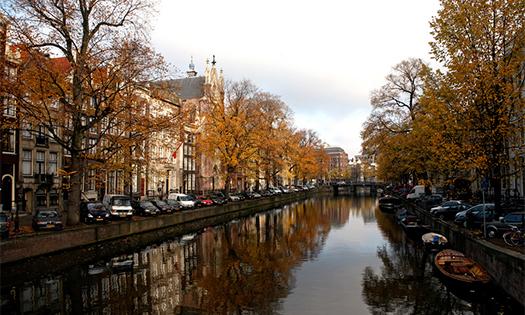
Grand Western Europe Circuit: Amsterdam to Cologne and Back
This comprehensive travel guide details a classic circuit through the heart of Western Europe, connecting the vibrant capitals and historic towns of the Netherlands, Belgium, France, Luxembourg, and Germany. The journey is a rich tapestry of art, history, architecture, and diverse cultures, perfectly navigable by the region’s excellent rail network.
Itinerary Overview
This route forms a logical and efficient loop, starting and ending in the major aviation hub of Amsterdam. It is designed to be experienced over a period of two to three weeks, allowing for a deep immersion in each location. The primary mode of transport between cities is train, with local trams, buses, and walking covering the rest.
Part 1: The Netherlands – Canals, Capitals, and Modernism
Amsterdam: The Venice of the North
Your journey begins in Amsterdam, a city built on a network of concentric canals. The central station is your gateway, and from there, the city is best explored on foot or by tram.
Attractions: The Museumplein is home to the Rijksmuseum (Dutch Masters), the Van Gogh Museum, and the modern Stedelijk Museum. A canal cruise is essential to understand the city’s layout and history. The Anne Frank House is a profoundly moving experience (book tickets months in advance). For a different perspective, visit the Jordaan district with its charming streets, independent shops, and cafes.
Food & Drink: Sample traditional Dutch snacks like bitterballen (deep-fried meat ragout balls) and stroopwafels (caramel-filled waffles) from a street market. Try raw herring with onions from a herring stand. For a drink, visit a traditional brown cafe (bruin café).
Cultural Insight: Amsterdam has a famously tolerant and liberal culture. Its cycling infrastructure is world-class; always be aware of bicycle lanes when walking.
Travel Tip: Purchase an I amsterdam City Card if you plan to visit multiple museums and use public transport extensively. It includes a canal cruise and free entry to many attractions.
Day Trip: Zaanse Schans (Windmill Village)
A short train ride from Amsterdam Central Station brings you to this open-air museum.
Attractions: See working historic windmills used for grinding spices, sawing wood, and producing oil. Watch demonstrations of clog-making and cheese production in the traditional green-painted wooden houses. The view of the windmills lining the river Zaan is iconic.
Travel Tip: Go early in the morning to avoid the largest crowds from tour buses. The site is free to enter, but there is a charge to enter the windmills and museums.
The Hague: International City of Peace and Justice
As the seat of the Dutch government and royalty, The Hague has a more formal, elegant atmosphere.
Attractions: The Mauritshuis museum houses masterpieces like Vermeer’s “Girl with a Pearl Earring”. The Binnenhof (Inner Court) is the heart of Dutch politics. Don’t miss a trip to Scheveningen, the city’s bustling seaside resort with a long pier.
Food: Enjoy fresh seafood at one of the many restaurants in Scheveningen.
Travel Tip: The Hague is easily reached by a direct train from Amsterdam (approx. 50 minutes).
Rotterdam: Architectural Marvel
Bombed flat during WWII, Rotterdam was rebuilt with daring and innovative architecture, creating a stark contrast to Amsterdam.
Attractions: Marvel at the Cube Houses, the pencil-shaped Markthal (a food market with a stunning interior mural), and the impressive Erasmus Bridge. Take a water taxi for a thrilling way to see the port, one of the world’s largest.
Food: The Markthal is the perfect place to sample a wide variety of Dutch and international foods.
Cultural Insight: Rotterdam is a dynamic, multicultural port city with a strong focus on modern art and design.
Part 2: Belgium – Medieval Splendor and Chocolate
Antwerp: Diamond Capital and Rubens’ City
Crossing from the Netherlands into Belgium, you arrive in Antwerp, a city synonymous with fashion, diamonds, and the Baroque artist Peter Paul Rubens.
Attractions: The colossal Cathedral of Our Lady dominates the skyline and contains several Rubens masterpieces. The Grote Markt (main square) with its ornate guildhouses is breathtaking. Visit the Rubenshuis, the former home and studio of the painter. The Antwerp Central Station is itself an architectural attraction.
Food & Drink: This is the home of the “bolleke”, a glass of De Koninck beer. Belgian fries with mayonnaise are a must-try. Chocolate shops are ubiquitous.
Bruges: A Fairytale Preserved in Time
A UNESCO World Heritage site, Bruges is a perfectly preserved medieval city that feels like stepping into a storybook.
Attractions: A boat tour along the canals is magical. Climb the 366 steps of the Belfry of Bruges in the main market square for panoramic views. Visit the Basilica of the Holy Blood, which claims to house a vial of Christ’s blood. Simply getting lost in the cobblestone streets is a key activity.
Food & Drink: Indulge in authentic Belgian waffles, rich hot chocolate, and mussels with fries. Sample the vast array of Belgian Trappist and Abbey beers in a cozy pub.
Travel Tip: Bruges is very popular. To experience its charm, stay overnight after the day-trippers have left.
Brussels: The European Capital
The de facto capital of the European Union, Brussels is a city of contrasts, blending grand administrative buildings with a historic core.
Attractions: The Grand-Place is arguably the most beautiful square in Europe. See the famous (and surprisingly small) Manneken Pis statue. Explore the comic book culture at the Belgian Comic Strip Center. Visit the Atomium, a remnant of the 1958 World’s Fair.
Food & Drink: Brussels is the place for gastronomic indulgence. Eat at a traditional estaminet (tavern), enjoy mussels, carbonnade flamande (beef stew), and of course, endless chocolates. Don’t forget to try a variety of Belgian beers.
Cultural Insight: Brussels is officially bilingual (French and Dutch) and incredibly international due to the presence of the EU and NATO.
Part 3: France & Luxembourg – Grandeur and Grand Duchies
Paris: The City of Light
A high-speed train from Brussels whisks you to Paris in under 1.5 hours. Paris needs no introduction; it is a world unto itself.
Attractions:The iconic Eiffel Tower, the art treasures of the Louvre, the grandeur of Notre-Dame Cathedral (exterior viewing post-fire), the bohemian hill of Montmartre and the Sacré-Coeur, and the wide, elegant boulevards like the Champs-Élysées. A cruise on the Seine offers a unique vantage point.
Food & Drink: Start your day with a café au lait and a croissant at a sidewalk café. Enjoy steak frites, onion soup, crêpes, and patisseries. Explore different neighborhoods for diverse culinary experiences.
Travel Tip:The Paris Museum Pass can save money and time on queueing for major attractions. Be vigilant against pickpockets, especially in crowded areas like the metro.
Luxembourg City: The Gibraltar of the North
A short train ride from Paris takes you to the Grand Duchy of Luxembourg, a small but wealthy nation.
Attractions:The city’s dramatic topography is its main attraction. Explore the Chemin de la Corniche, dubbed “Europe’s most beautiful balcony,” which overlooks the deep gorges and fortifications of the old town below. Visit the Grand Ducal Palace and the Bock Casemates, a network of underground tunnels.
Cultural Insight: Luxembourg is trilingual (Luxembourgish, French, German). It’s one of the world’s few remaining grand duchies and a major financial center.
Travel Tip:The city is very walkable, but be prepared for steep hills and stairs connecting the upper and lower towns.
Part 4: Germany – Roman History and Romantic Roads
Trier: Germany’s Oldest City
Trier, founded by the Romans, sits on the banks of the Moselle River and is packed with ancient history.
Attractions:The Porta Nigra (Black Gate) is the largest Roman city gate north of the Alps. Explore the ruins of Roman baths, an amphitheater, and the impressive Trier Cathedral (Trierer Dom). The city is also known as the birthplace of Karl Marx; his house is now a museum.
Food & Drink:The Moselle region is famous for its Riesling wines. Sample them in a local wine tavern.
Heidelberg: The Romantic Ideal
A picture-perfect university town nestled in a river valley, Heidelberg embodies German Romanticism.
Attractions:The magnificent red sandstone Heidelberg Castle ruins loom over the city (take the funicular railway up). Walk across the Old Bridge (Alte Brücke) for classic views. Stroll through the charming Old Town (Altstadt) and visit Germany’s oldest university.