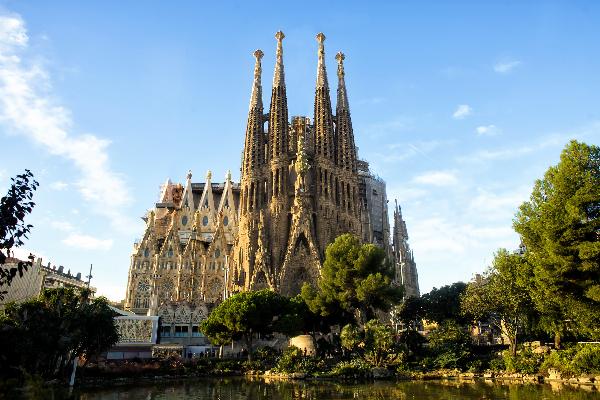
An Iberian Grand Tour: Barcelona to Madrid and Back
This comprehensive travel guide details a classic circuit through the vibrant heart of Spain and Portugal, starting and ending in the architectural wonder of Barcelona. This journey is designed to immerse you in a rich tapestry of cultures, from the Moorish palaces of Andalusia to the melancholic soul of Fado in Lisbon and the imperial grandeur of Madrid. We will traverse diverse landscapes, savor world-renowned cuisines, and explore centuries of art and history.
Route Overview
Barcelona → Valencia → Granada → Málaga → Seville → Lisbon → Toledo → Madrid → Zaragoza → Barcelona
This route is best experienced over a minimum of two to three weeks. The primary modes of transportation will be high-speed trains (AVE, Alvia), regional trains, and buses, with a potential short flight considered for the Seville to Lisbon leg for time efficiency.
1. Barcelona: The Masterpiece of Modernism
Your journey begins in the cosmopolitan capital of Catalonia, a city defined by the fantastical architecture of Antoni Gaudí and a vibrant, creative spirit.
Attractions & Experiences
La Sagrada Família: Gaudí’s unfinished masterpiece is more than a church; it’s a symbol of Barcelona. Book tickets online weeks in advance to skip the massive queues. The interior, resembling a stone forest, is a breathtaking play of light and color.
Park Güell: A whimsical public park offering mosaic-covered structures, winding pathways, and panoramic views of the city. The Monumental Zone requires a timed ticket.
Gothic Quarter (Barri Gòtic): Lose yourself in the narrow, medieval streets, discovering Roman ruins, quaint plazas like Plaça Reial, and the impressive Barcelona Cathedral.
Las Ramblas: The famous, tree-lined pedestrian boulevard is always buzzing with activity. Be vigilant for pickpockets while enjoying the street performers and the vibrant La Boqueria Market.
Casa Batlló & La Pedrera: Two more of Gaudí’s revolutionary residential buildings on the Passeig de Gràcia. Their undulating facades and innovative interiors are a testament to his genius.
Food & Drink
Tapas: Sample a variety of small plates. Don’t miss pa amb tomàquet (bread with tomato), patatas bravas, and jamón ibérico.
Seafood: Enjoy fresh seafood at La Barceloneta beach. Try fideuà, a noodle-based paella.
Cava: Catalonia’s answer to champagne. Perfect for a pre-dinner drink.
Transportation & Tips
Barcelona has an excellent metro and bus system. The
Hola BCN! travel card offers unlimited travel for 2-5 days. For getting to Valencia, the high-speed train from Barcelona-Sants station is the most efficient and comfortable option, taking around 3 hours.
2. Valencia: City of Arts and Paella
Traveling south, you arrive in Valencia, a city that beautifully blends its historic old town with the stunning, futuristic City of Arts and Sciences.
Attractions & Experiences
City of Arts and Sciences (Ciutat de les Arts i les Ciències): An architectural marvel designed by Santiago Calatrava. The complex includes an opera house, science museum, IMAX cinema, and Europe’s largest aquarium, L’Oceanogràfic.
Valencia Old Town: Explore the Silk Exchange (La Lonja de la Seda), a UNESCO World Heritage site, and the Valencia Cathedral, which supposedly houses the Holy Grail.
Central Market (Mercado Central): A vibrant, modernist market hall filled with fresh produce, meats, and local delicacies. It’s a feast for the senses.
Turia Gardens: A beautiful park created in the former riverbed of the Turia River, stretching across the city and connecting the old town to the City of Arts and Sciences.
Food & Drink
Paella Valenciana: This is its birthplace. Authentic Valencian paella is made with rabbit, chicken, snails, and green beans. Eat it for lunch, as it’s rarely a dinner dish locally.
Horchata with Fartons: A refreshing, milky drink made from tiger nuts, best enjoyed with sweet, finger-shaped pastries called fartons.
Agua de Valencia: A potent cocktail made from cava (or champagne), orange juice, vodka, and gin.
Transportation & Tips
The city center is very walkable. Buses are useful for reaching the City of Arts and Sciences. To continue to Granada, you will likely need to take a high-speed train to Madrid or another hub and then connect via a regional train or bus, as there is no direct high-speed line. This journey can take 5-7 hours.
3. Granada: The Last Moorish Kingdom
Nestled at the foot of the Sierra Nevada mountains, Granada is home to the Alhambra, one of the most magnificent Islamic palaces in the world.
Attractions & Experiences
The Alhambra and Generalife: A vast palace and fortress complex representing the pinnacle of Nasrid architecture. It consists of three main parts: the Alcazaba (fortress), the Nasrid Palaces (the highlight), and the Generalife Gardens. Book your tickets online months in advance, as they sell out quickly. Entry to the Nasrid Palaces is for a specific, strict time slot.
Albaicín Quarter: The old Moorish quarter, a maze of narrow, winding streets and whitewashed houses. Climb to the Mirador de San Nicolás for a stunning sunset view of the Alhambra against the mountain backdrop.
Sacromonte: Explore the cave dwellings in this gypsy quarter, known for its flamenco shows (zambras) held in actual caves.
Granada Cathedral & Royal Chapel: A magnificent Renaissance cathedral where the Catholic Monarchs, Ferdinand and Isabella, are buried.
Food & Drink
Free Tapas: Granada is famous for its tradition of receiving a free tapa with every drink ordered at a bar. It’s a fantastic and affordable way to sample local cuisine.
Tortilla del Sacromonte: A rich omelette made with sweetbreads, brains, and other offal.
Piononos: Small, sweet pastries from the nearby town of Santa Fe, named after Pope Pius IX.
Transportation & Tips
The city center is best explored on foot, though steep hills are challenging. Local buses are available. The journey from Granada to Málaga is straightforward by bus (approx. 1.5-2 hours) or regional train, offering scenic views.
4. Málaga: The Birthplace of Picasso
A bustling port city on the Costa del Sol, Málaga has reinvented itself as a major cultural destination while retaining its authentic Andalusian charm.
Attractions & Experiences
Picasso Museum: Housed in the Buenavista Palace, it holds a comprehensive collection of works by Málaga’s most famous son, tracing his artistic evolution.
Alcazaba de Málaga: A well-preserved Moorish fortress-palace overlooking the city. A Roman theatre sits at its entrance.
Málaga Cathedral: Nicknamed “La Manquita” (The One-Armed Lady) because its second tower was never completed.
Atarazanas Market:A beautiful 19th-century market with a stunning stained-glass window, offering a lively glimpse into local life.
Soho & Muelle Uno: Explore the trendy Soho district for street art, then stroll along the modern Muelle Uno port area for shopping and dining with sea views.
Food & Drink
Espetos: Sardines skewered and grilled over an open boat-shaped fire on the beach—a Málaga specialty.
Ajoblanco:A cold almond and garlic soup, perfect for a hot day.
Sweet Wine:
The region is famous for its sweet Moscatel and Pedro Ximénez wines.
Transportation & Tips
The city is very walkable. Málaga is a major transport hub with an international airport and excellent train connections. The train to Seville is fast and comfortable (approx. 2 hours on the AVE).
5. Seville: The Heart of Andalusia
The capital of Andalusia is a city of passion, flamenco, orange trees, and breathtaking Mudéjar architecture.
Attractions & Experiences
Real Alcázar:A stunning royal palace still in use today, it is one of the finest examples of Mudéjar architecture (Islamic style under Christian rule). The intricate tilework and lush gardens are mesmerizing. Pre-book tickets.
Seville Cathedral & La Giralda:The largest Gothic cathedral in the world. Climb the ramp of the Giralda bell tower, a former minaret, for unparalleled city views. Christopher Columbus’s tomb is inside the cathedral.
Plaza de España:A magnificent semi-circular brick building built for the 1929 Ibero-American Exposition, surrounded by a moat and beautifully tiled alcoves representing Spanish provinces.
Barrio Santa Cruz:The city’s former Jewish quarter, a labyrinth of charming, narrow streets, whitewashed houses, and hidden plazas.
See a Flamenco Show:Experience raw emotion at an authentic flamenco tablao in the Triana district.
Food & Drink
Tapas in Triana:
The Triana neighborhood across the river is famous for its excellent tapas bars.