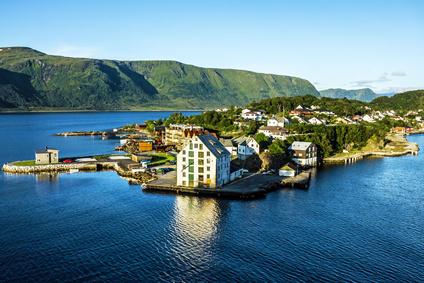
A Grand Northern European Tour: Berlin to the Norwegian Fjords and Back
This journey is an epic adventure through the vibrant capitals and breathtaking natural landscapes of Germany, Denmark, Sweden, and Norway. It seamlessly blends urban culture with some of the most dramatic scenery on Earth, following a logical and scenic route that maximizes both efficiency and experience. From Berlin’s gritty history to the serene majesty of the Norwegian fjords, this itinerary offers a comprehensive taste of Northern Europe.
Itinerary Overview
Route: Berlin → Rostock → Copenhagen → Malmö → Gothenburg → Oslo → Hemsedal → Flåm → Myrdal → Flåm → Gudvangen → Voss → Bergen → Norheimsund → Eidfjord → Geilo → Oslo → Copenhagen → Rostock → Berlin
Focus: A multi-modal trip utilizing high-speed trains, scenic railways, ferries, coaches, and iconic fjord cruises.
Pacing: This is an active trip covering significant ground. A minimum of 14-16 days is recommended to fully appreciate the destinations without feeling rushed.
Part 1: Germany’s Dynamic Capital & The Baltic Coast
Berlin: Where History is Etched in Stone
Begin your journey in Berlin, a city that wears its tumultuous history on its sleeve while pulsating with a creative, modern energy.
Key Attractions:
The Brandenburg Gate: The iconic symbol of Berlin and German reunification.
East Side Gallery: The longest remaining stretch of the Berlin Wall, now an international memorial for freedom covered in vibrant murals.
Reichstag Building: The seat of the German parliament. A visit to its magnificent glass dome, offering 360-degree views of the city, is essential (booking in advance is mandatory and free).
Memorial to the Murdered Jews of Europe: A powerful and haunting field of 2,711 concrete stelae, a must-visit for quiet reflection.
Museum Island: A UNESCO World Heritage site housing five world-renowned museums, including the Pergamonmuseum.
Food & Drink:
Currywurst: The quintessential Berlin street food – steamed and fried pork sausage topped with curry ketchup and curry powder.
Doner Kebab: Ironically, Berlin is famed for its excellent and affordable doner kebabs, a legacy of its Turkish community.
Beer Gardens: Enjoy a local pilsner or hefeweizen in a traditional beer garden like Prater Garten, the oldest in the city.
Cultural Insight & Tips:
Berlin’s vibe is decidedly casual and alternative. Don’t be surprised by its gritty, unfinished aesthetic in some neighborhoods; this is part of its charm. Public transportation (BVG) is exceptionally efficient—get a day pass or the “Berlin WelcomeCard” for unlimited travel and discounts. English is widely spoken.
Rostock: Gateway to Scandinavia
A short train ride north from Berlin brings you to the historic Hanseatic city of Rostock, primarily known as the port for ferries to Denmark.
Key Attractions:
Rostock City Center (Altstadt): Stroll through the cobbled streets, see the Gothic Town Hall, and admire the ornate gabled houses.
St. Mary’s Church (Marienkirche): Home to a stunning astronomical clock from 1472.
Warnemünde: Rostock’s seaside district. It’s worth arriving early to explore its lighthouse, long sandy beach, and charming fisherman’s quarter before your ferry departure.
Transportation:
From Berlin Hauptbahnhof, take an Intercity or Regional Express train to Rostock Hauptbahnhof (approx. 2.5-3 hours). From there, a local S-Bahn train will take you directly to the Warnemünde ferry terminal in about 20 minutes.
Part 2: Scandinavian Capitals & The Øresund Bridge
Copenhagen: Hygge and Modern Design
After an overnight ferry from Rostock, you arrive in Denmark’s beautiful capital, a city synonymous with cycling, design, and “hygge” (coziness).
Key Attractions:
Nyhavn: The picture-perfect 17th-century waterfront canal, lined with colorful townhouses and historical wooden ships.
The Little Mermaid: Copenhagen’s most famous statue, inspired by Hans Christian Andersen’s fairy tale.
Tivoli Gardens: One of the world’s oldest operating amusement parks, offering beautiful gardens, rides, concerts, and a magical atmosphere, especially at night.
Freetown Christiania: A self-proclaimed autonomous neighborhood with a unique, alternative community and rules. A fascinating and controversial part of the city.
Rosenborg Castle: A Renaissance castle housing the Danish Crown Jewels.
Food & Drink:
Smørrebrød: Open-faced sandwiches on rye bread, artfully topped with herring, roast beef, shrimp, or eggs. A classic lunch.
Danish Pastries (Wienerbrød): Indulge in a flaky, buttery pastry from a local bakery.
New Nordic Cuisine: Copenhagen is a global foodie destination, home to numerous Michelin-starred restaurants pushing the boundaries of Scandinavian ingredients.
Cultural Insight & Tips:
Copenhagen is a cyclist’s paradise. Renting a bike is the best way to experience the city like a local. The public transport system (DOT) is integrated and easy to use. Danes are generally relaxed and informal but value punctuality.
Malmö: A Glimpse of Modern Sweden
A short and spectacular train ride across the engineering marvel that is the Øresund Bridge connects Denmark to Sweden and the city of Malmö.
Key Attractions:
Turning Torso: The striking neo-futurist skyscraper that has become Malmö’s modern landmark.
Gamla Staden (Old Town): Explore the historic core with its cobblestone squares, including Stortorget and Lilla Torg.
Malmöhus Castle: A 16th-century fortress that now houses several museums.
Transportation:
Trains from Copenhagen Central Station (København H) to Malmö Central run frequently (every 20 minutes) and take about 40 minutes. You will need your passport for border control, which is done on the train.
Gothenburg: Sweden’s Charming West Coast
A direct train from Malmö takes you up the coast to Gothenburg (Göteborg), Sweden’s second city, known for its Dutch-style canals and friendly atmosphere.
Key Attractions:
Liseberg: One of Scandinavia’s largest amusement parks, especially magical during Halloween and Christmas.
Haga District: A historic neighborhood with picturesque wooden houses, cobblestone streets, and charming cafes famous for their huge “Hagabullen” cinnamon buns.
The Fish Church (Feskekôrka): An indoor fish market housed in a building resembling a Gothic church.
Archipelago Exploration: Take a short tram and ferry ride to the Southern Archipelago for hiking, swimming, and classic Swedish summerhouse scenery.
Food & Drink:
Seafood: Gothenburg is famed for its fresh seafood. Try shellfish at a traditional “shrimp sandwich” shack or a fine-dining restaurant.
Coffee & Pastries (Fika): Embrace the Swedish tradition of “fika”—a coffee break with a sweet treat. Haga is the perfect place for it.
Part 3: The Heart of Norway – Fjords & Railways
Oslo: Nature and Modernity
A comfortable train journey from Gothenburg brings you to Oslo, Norway’s capital, nestled between the Oslofjord and forested hills.
Key Attractions:
The Viking Ship Museum (Temporarily Closed for moving): Check status; it houses three incredibly well-preserved Viking ships. The collection will be moved to a new museum in the future.
The Fram Museum: Home to the strongest wooden ship ever built, which journeyed to both the North and South Poles.
The Norwegian National Opera & Ballet: An architectural masterpiece where you can walk on the sloping marble roof for fantastic views of the city and fjord.
Vigeland Sculpture Park: A vast park filled with over 200 bronze and granite sculptures by Gustav Vigeland, depicting the human experience.
Akershus Fortress: A medieval castle and fortress offering great views over the city harbor.
Food & Drink:
Brunost (Brown Cheese):A unique sweet, caramelized whey cheese. Try it thinly sliced on bread or waffles.
Norwegian Salmon:: Exceptionally fresh and delicious, often served as gravlaks (cured with dill and sugar).
Hot Dogs (Pølse):: A popular Norwegian street food, often served with crispy fried onions.
The Fjord Adventure: Hemsedal to Bergen
This section is the crown jewel of the trip, utilizing Norway’s incredible scenic railways, fjord cruises, and mountain roads.
The Journey Begins: Oslo to Hemsedal & Flåm
Transportation:: Take a train from Oslo to Gol, then a connecting bus to Hemsedal. Hemsedal is a popular ski resort that offers beautiful summer hiking. From Hemsedal, a bus will take you through stunning mountain scenery to Flåm, located at the inner end of the Aurlandsfjord.
The Flåm Railway & Nærøyfjord Cruise
“Norway in a Nutshell” Core Experience
The Flåm Railway (Flåmsbana):: One of the world’s steepest railway lines on normal tracks. The 20km journey from Flåm to Myrdal is breathtaking, passing waterfalls like the powerful Kjosfossen, where the train stops for photos.
The Nærøyfjord Cruise:: From Flåm, board an electric ferry for a serene cruise down the Aurlandsfjord and into the Nærøyfjord, a UNESCO World Heritage site. This narrow fjord is surrounded by towering, snow-capped mountains and waterfalls. You disembark in the tiny village of Gudvangen.
The Bus Journey: Gudvangen to Voss:: A spectacular coach ride takes you up the steep Stalheimskleiva road (with hairpin bends) and offers panoramic views of the Nærøydalen valley before arriving in the town of Voss.
The Train: Voss to Bergen:: A final scenic train ride completes your journey to Bergen.
Bergen: The Gateway to the Fjords
A historic Hanseatic trading port surrounded by seven mountains, Bergen is Norway’s second city and a UNESCO World Heritage site.