A Comprehensive Travel Guide: Athens, Arachova, Delphi, Kalabaka, Meteora, and Santorini
This itinerary offers a quintessential Greek experience, blending the profound historical legacy of ancient civilizations with the breathtaking beauty of nature and the iconic charm of the Aegean islands. Travelers journey from the bustling capital, through the spiritual heartland of antiquity, to the awe-inspiring monastic communities perched on colossal rock pillars, and finally to the world-famous sunsets of Santorini. This guide provides practical information, cultural insights, and detailed recommendations for navigating this unforgettable route.
Part 1: Athens – The Cradle of Western Civilization
Athens, a city where history resonates from every corner, serves as the perfect starting point. It’s a vibrant metropolis where ancient ruins stand in the shadow of modern buildings, offering a dynamic introduction to Greece.
Major Attractions
The Acropolis and Parthenon: The iconic symbol of Athens and ancient Greece. Visitors should purchase a combined ticket for access to the Acropolis and other key archaeological sites. It is highly recommended to visit early in the morning or late in the afternoon to avoid the peak crowds and heat.
Acropolis Museum: A state-of-the-art museum housing the treasures found on the Acropolis slope. Its glass floors reveal ruins below, and the top-floor Parthenon Gallery offers a stunning view of the temple itself.
Ancient Agora: The heart of ancient Athenian public life, where Socrates philosophized and St. Paul preached. The beautifully preserved Temple of Hephaestus dominates the site.
Plaka and Anafiotika: Wandering through the labyrinthine streets of Plaka, the old historical neighborhood, is a must. Just above it, Anafiotika is a charming area with whitewashed, island-style houses built by workers from the island of Anafi.
National Archaeological Museum: Home to the world’s richest collection of artifacts from Greek antiquity, including the Mask of Agamemnon and the Antikythera Mechanism.
Food & Drink
Athens is a culinary paradise. Beyond the tourist tavernas in Plaka, explore the neighborhoods of Psiri, Koukaki, and Pangrati for authentic experiences.
Souvlaki & Gyros: A must-try fast food. Look for busy local spots for the best quality.
Moussaka: The classic Greek baked dish with layers of eggplant, minced meat, and béchamel sauce.
Horiatiki (Greek Salad): A simple salad of tomatoes, cucumber, onion, feta cheese, and olives, dressed with olive oil and oregano.
Tavernas in Psiri: This area is filled with traditional tavernas offering live music and a vibrant atmosphere.
Transportation & Accommodation
Athens International Airport (ATH) is well-connected to the city center via metro, bus, and taxi. The Athens Metro system is efficient, clean, and connects major hubs. The city is also very walkable, especially the historical center.
Accommodation Tips: Stay in central neighborhoods like Plaka, Syntagma, Koukaki, or Monastiraki for easy access to major sites. Koukaki, in particular, has become a trendy area with excellent restaurants and is a short walk from the Acropolis Museum.
Part 2: Mainland Loop – Arachova, Delphi & Meteora
This road trip takes travelers into mainland Greece, exploring ancient mythology and monumental geology.
Route: Athens to Delphi via Arachova
The most scenic and flexible way to undertake this journey is by renting a car. The drive from Athens to Delphi takes approximately 2.5 hours. Alternatively, KTEL buses run regularly from Athens’ Liossion Bus Station to Delphi.
Arachova: The Alpine Town
Perched on the slopes of Mount Parnassus, Arachova is a popular winter destination but charming year-round. It’s known for its vibrant nightlife, colorful textiles, and dairy products.
Attraction: Walk through the steep cobblestone streets, visit the clock tower, and enjoy the panoramic views.
Food: Try formaella, a local cheese, often served sizzling.
Cultural Insight: Arachova is a gateway to the Parnassos Ski Center and is often bustling with a stylish crowd from Athens.
Delphi: The Navel of the World
In ancient times, Delphi was considered the center of the world. People traveled here from across the Mediterranean to consult the Oracle of Apollo.
The Archaeological Site: Walk the Sacred Way up to the Temple of Apollo, where the Oracle delivered her prophecies. Don’t miss the ancient theater and the stadium higher up.
The Archaeological Museum of Delphi: Houses incredible finds from the site, including the famous Charioteer of Delphi bronze statue.
The Tholos at Athena Pronaia: A short walk from the main site, this circular building is one of the most photogenic spots in Delphi.
Accommodation: Stay in the modern town of Delphi for stunning views over the Pleistos Valley and easy access to the site.
Route: Delphi to Kalabaka (Meteora)
The drive from Delphi to Kalabaka takes about 2.5 to 3 hours, crossing fertile plains and passing by small towns. There is no direct bus; travelers would need to transfer in Lamia or Trikala, making a car highly recommended.
Kalabaka & Meteora: Between Heaven and Earth
The town of Kalabaka lies at the foot of one of Greece’s most extraordinary sights: the Meteora monasteries. These immense rock pillars, formed millions of years ago, host one of the largest and most precipitously built complexes of Eastern Orthodox monasteries.
The Monasteries: Of the original 24, six are active and open to the public. The most visited are Great Meteoron (the largest), Varlaam, and Agios Stefanos (the most accessible). Visitors must dress modestly; skirts are provided for women and trousers for men if needed.
Activities: Beyond visiting the monasteries, hiking between the rocks offers unparalleled perspectives. Sunset and sunrise are magical times to experience Meteora’s grandeur. Guided tours and rock climbing are also popular.
Food in Kalabaka: The town offers many traditional tavernas serving hearty mountain cuisine. Try dishes like grilled meats, hearty stews, and local pies.
Accommodation: Stay in Kalabaka for convenience or in the nearby village of Kastraki for a more rustic setting with closer proximity to the rocks.
Return to Athens
The drive from Kalabaka back to Athens takes approximately 4 hours. KTEL buses also provide a direct service from Kalabaka to Athens’ Liosion Bus Station.
Part 3: Santorini – The Jewel of the Aegean
After exploring the mainland, a flight from Athens to Santorini offers a dramatic change of scenery. Santorini (Thira) is a volcanic island known for its stunning caldera views, whitewashed villages, and spectacular sunsets.
Getting There
The most efficient way is a 45-minute flight from Athens International Airport (ATH) to Santorini (JTR). Ferries are also available from Piraeus port in Athens, taking 5-8 hours depending on the vessel type (high-speed or conventional).
Major Towns & Villages
Fira: The bustling capital, perched on the caldera edge. It’s filled with shops, restaurants, cafes, and nightlife. A cable car or a donkey path connects the town to the old port below.
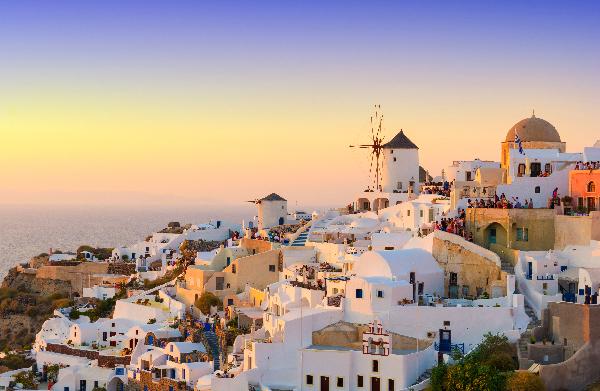
Oia: World-famous for its sunset views. Oia is more refined and picturesque than Fira, with narrow pathways, blue-domed churches, and luxury accommodations. Arrive early to secure a spot for sunset.
Imerovigli: A quieter village on the highest point of the caldera rim, often called the “Balcony to the Aegean.” It offers some of the most dramatic views and is perfect for a peaceful stay.
Pyrgos: A preserved medieval village in the island’s interior, offering panoramic views from its Venetian castle.
Attractions & Activities
Caldera Views & Sunsets: The primary activity is simply soaking in the breathtaking views. Sunset in Oia is a celebrated event.
Volcano & Hot Springs Tour: Boat tours from the old port take visitors to the still-active Nea Kameni volcano for a hike to the crater, followed by a swim in the warm, sulphuric waters of the Palia Kameni hot springs.
Ancient Thera: The ruins of an ancient city high on Mesa Vouno mountain, offering insights into the island’s long history and stunning vistas.
Red Beach & Perissa Beach: The Red Beach is famous for its unique red volcanic cliffs, while Perissa boasts a long stretch of black sand.
Wine Tasting: Santorini is renowned for its unique Assyrtiko wine. Visit local wineries for tours and tastings; many are carved into the volcanic rock.
Food & Drink
Santorini’s cuisine is shaped by its volcanic soil.
Fava:A creamy yellow split pea purée, typically served with onions and olive oil.
Tomatokeftedes: Delicious fried tomato balls made with Santorini’s unique cherry tomatoes.
Fresh Seafood: Enjoy grilled octopus, calamari, and fresh fish at a seaside taverna in Ammoudi Bay (below Oia) or Vlychada.
White Eggplant:A local specialty, less bitter than its purple counterpart, often baked or fried.
Transportation & Accommodation
The best way to explore Santorini is by renting an ATV, a car, or using the local bus network which connects major towns and beaches. Taxis are available but can be in high demand.
Accommodation Tips: For the iconic caldera view, stay in Fira, Oia, or Imerovigli. These are premium locations. For a beach holiday or more budget-friendly options, consider Kamari or Perissa. Many hotels offer cave-style rooms carved into the cliffside.
Return to Athens and Departure
The journey concludes with a flight or ferry back to Athens. If time permits before a flight home, travelers can do some last-minute souvenir shopping in the Monastiraki flea market or visit any sites they may have missed.
Final Practical Tips
Best Time to Visit: Late spring (May-June) and early autumn (September-October) offer ideal weather with fewer crowds. July and August are very hot and busy.
Cuisine Overall: Greek dining is a social affair. Meals are often shared. Always try the house wine and don’t forget to sample ouzo or tsipouro.
Cultural Etiquette: A simple “Kalimera” (Good morning) or “Efharisto” (Thank you) in Greek is appreciated. Dress respectfully when visiting churches and monasteries.