Travel Guide: The French Riviera Loop – Nice, Monaco, Menton, and Èze
Introduction to the French Riviera
The French Riviera, or Côte d’Azur, is a stunning stretch of coastline along the Mediterranean Sea in the southeast of France. Renowned for its azure waters, glamorous resorts, and picturesque hilltop villages, it has been a playground for the rich and famous for over a century. This guide focuses on a classic and highly rewarding loop starting and ending in Nice, encompassing the sovereign state of Monaco, the charming “Pearl of France” Menton, and the breathtaking medieval village of Èze. This journey offers a perfect blend of urban energy, princely grandeur, serene beauty, and historic charm.
The entire circuit covers a relatively short distance—less than 60 kilometers (37 miles) one way—making it perfectly suited for a multi-day trip. You can experience the stark contrasts of the region: from the bustling markets of Nice to the high-stakes glamour of Monaco, from the citrus-scented tranquility of Menton to the eagle’s-nest views from Èze.
Overview of Destinations
Nice: The vibrant, capital of the French Riviera, known for its beautiful Promenade des Anglais, historic Old Town (Vieux Nice), and Italianate influence.
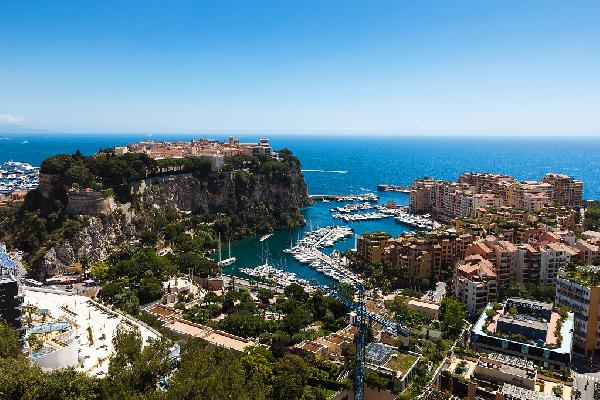
Monaco: An independent city-state and principality, famous for its royal family, Grand Prix, luxury casinos, and superyacht-filled harbor.
Menton: A serene town on the Italian border, celebrated for its lush gardens, lemon festival, and sunny microclimate.
Èze: A spectacular medieval village perched high on a cliff, offering panoramic coastal views and a famous exotic garden.
Practical Travel Information
Best Time to Visit
The ideal times for this trip are
spring (April to June) and autumn (September to October). During these months, the weather is pleasantly warm and sunny, perfect for walking and exploring, and the crowds are thinner than in the peak summer season. July and August can be extremely hot and crowded. The winter is mild but some attractions may have reduced hours.
Getting Around
The public transportation system along this route is excellent, making it easy to travel without a car.
Train (TER): The train line that runs along the coast is the most efficient way to travel between Nice, Monaco, and Menton. The journey from Nice to Monaco takes about 20-25 minutes, and from Monaco to Menton about 10 minutes. The views from the train are spectacular. The main stations are Nice-Ville, Monaco-Monte-Carlo, and Menton.
Bus: Bus line #607 (Lignes d’Azur) connects Nice directly with Monaco and Menton. It’s cheaper than the train but can be slower due to traffic. Bus #82 connects Nice with the village of Èze. Bus #112 connects Monaco with Èze and Menton.
Car: Driving the three coastal corniche roads (Moyenne, Grande, and Basse) is a legendary experience offering incredible views. However, traffic can be heavy, and parking in towns like Monaco, Menton, and Èze is extremely difficult and expensive.
Suggested Itinerary
This loop can be comfortably done in 3 to 5 days.
Day 1: Arrive and explore Nice. Focus on the Promenade des Anglais, Castle Hill (Colline du Château), and the Old Town.
Day 2: Day trip to Monaco. Visit the Prince’s Palace, the Oceanographic Museum, and the Monte Carlo Casino.
Day 3: Morning in Èze. Hike the Nietzsche Path and explore the medieval village. Afternoon in Menton. Visit the Jean Cocteau Museum and the Old Town.
Day 4: Deeper exploration of Nice’s museums (like Marc Chagall National Museum) or a day relaxing on the beach.
Accommodation
Nice is the most practical and affordable base for this trip, with a wide range of hotels, hostels, and vacation rentals. Staying in Monaco is an option for those seeking luxury, but it comes with a premium price tag. Menton offers a more relaxed and slightly less expensive alternative.
Language
The official language is French. In Nice, you may also hear Niçard (Nissart), a local dialect. English is widely spoken in tourist areas, hotels, and restaurants, but learning a few basic French phrases (Bonjour, Merci, S’il vous plaît) is always appreciated.
Currency
France uses the Euro (€). Monaco also uses the Euro, despite not being a member of the EU. Credit and debit cards are accepted almost everywhere.
Nice: The Queen of the Riviera
Key Attractions
Promenade des Anglais: This iconic 7-kilometer seafront walkway is the heart of Nice. It’s perfect for a stroll, a bike ride, or simply sitting on one of the famous blue chairs to watch the world go by.
Vieux Nice (Old Town): A labyrinth of narrow, winding streets filled with baroque churches, colorful buildings, bustling markets, and countless restaurants. Don’t miss the Cours Saleya Market, which sells flowers, produce, and local crafts by day and transforms into a restaurant terrace hub by night.
Colline du Château (Castle Hill): While the castle is long gone, this park offers the best panoramic views of Nice’s red-roofed Old Town, the Baie des Anges, and the port. You can walk up or take a free elevator.
Port Lympia: Nice’s vibrant port, filled with fishing boats and luxury yachts. The buildings are painted in beautiful warm ochre colors.
Museums: Nice has an impressive collection of museums, including the Marc Chagall National Museum (devoted to the artist’s biblical message paintings) and the Matisse Museum located in a beautiful Genoese villa.
Practical Tips for Nice
- The beach in Nice is made of pebbles, not sand. Beach shoes are highly recommended.
- The local specialty is Socca, a thin, savory chickpea pancake. Try it from a stall in the Cours Saleya market.
- The city has an efficient tram system that is useful for getting to areas further from the center.
Monaco: The Glamorous Principality
Key Attractions
Monte Carlo Casino: The symbol of Monaco’s glamour. The building itself is an architectural masterpiece. Note that there is a dress code (no shorts or flip-flops) to enter the gaming rooms in the afternoon and evening. The area around the casino, Place du Casino, is lined with luxury boutiques and expensive cars.
The Prince’s Palace of Monaco: Located in Monaco-Ville (the old town, on “The Rock”), this is the official residence of the Prince of Monaco. You can tour the State Apartments and watch the changing of the guard ceremony daily at 11:55 AM.
Monaco-Ville: A charming historic district with narrow streets, souvenir shops, and the Saint Nicholas Cathedral, where Prince Rainier and Princess Grace are buried.
Oceanographic Museum: A magnificent museum perched on a cliffside, founded by Prince Albert I. It features impressive aquariums and exhibitions dedicated to marine science.
Larvotto Beach: Monaco’s public beach, made of imported sand. It’s a great spot to relax and enjoy views of the principality.
The Formula 1 Circuit: You can walk or drive along much of the actual Grand Prix track throughout the year. Signs mark the course.
Practical Tips for Monaco
- Monaco is a sovereign state. However, there are no border controls when arriving from France.
- The country is very hilly. Public elevators and escalators are strategically placed throughout The Rock to help pedestrians navigate the steep terrain for free.
- The local bus system is efficient and affordable for getting around different quarters (Monte Carlo, La Condamine, Fontvieille).
- While it has a reputation for being expensive, it is possible to visit Monaco on a budget by picnicking and using public transport.
Èze: The Eagle’s Nest
Key Attractions
Èze Village: The main attraction is the village itself. A perfectly preserved medieval village perched 429 meters above sea level. Its narrow cobblestone streets wind upwards between stone houses now housing art galleries, craft shops, and small hotels.
Jardin Exotique (Exotic Garden): At the very top of the village lies this stunning garden, home to hundreds of species of cacti and succulents. The primary reason to visit is the absolutely breathtaking 360-degree panoramic view of the coastline below.
The Nietzsche Path (Chemin de Nietzsche): A steep hiking trail that connects the lower coast (Èze-sur-Mer train station) with the village above. It is named after the philosopher Friedrich Nietzsche, who is said to have walked this path frequently while writing parts of “Thus Spoke Zarathustra.” The hike takes about 1-1.5 hours uphill and offers beautiful shaded views.
Fragonard Perfumery: Located at the base of the village, this is one of the oldest perfumeries in France. Free guided tours explain the perfume-making process and you can purchase products directly.
Practical Tips for Èze
- Wear comfortable walking shoes with good grip. The village paths are steep, uneven, and can be slippery.
- The hike up the Nietzsche Path is strenuous. It’s best attempted if you are in good physical condition. Alternatively, take bus #82 from Nice or bus #112 from Monaco to the village entrance.
- The village can get very crowded during midday. For a more peaceful experience, try to visit early in the morning or later in the afternoon.
Menton: The Pearl of France
Key Attractions
The Old Town (Vieux Menton): A cascade of pastel-colored buildings tumbling down a hillside towards the sea. Explore its steep staircases and vaulted passageways (known as *carrugi*). At its heart is the beautiful Basilique Saint-Michel-Archange, a baroque masterpiece.
The Gardens (Les Jardins): Menton is famous for its lush gardens due to its uniquely warm microclimate.
Jardin Serre de la Madone:A stunning garden created by Lawrence Johnston with plants from around the world.