France, Switzerland, & Italy Grand Tour: A Comprehensive Travel Guide
This guide details a classic European itinerary covering the iconic cities and breathtaking landscapes of Italy, Switzerland, and France. The route connects ancient history, Renaissance art, alpine wonders, and romantic charm.
Itinerary Overview
The journey spans three countries, moving from the heart of the Roman Empire through the artistic centers of Tuscany, the dramatic Italian Riviera, the serene lakes and peaks of the Swiss Alps, and concluding in the romantic cities of Eastern France.
Italy: Rome -> Florence -> Tuscany -> Pisa -> Cinque Terre -> Parma -> Venice -> Milan
Switzerland: Jungfraujoch -> Interlaken -> Swiss Villages -> Lake Brienz -> Lungern -> Lucerne -> Zurich
France: Colmar -> Strasbourg -> Paris
Italy: History, Art, and Coastal Charm
Rome (Roma)
The Eternal City, a sprawling open-air museum of 2,500 years of history.
Key Attractions:
The Colosseum: The iconic Roman amphitheater. Booking a skip-the-line ticket or guided tour is essential.
Roman Forum: The political and social heart of ancient Rome, located next to the Colosseum.
Pantheon: A marvel of ancient engineering with its massive unsupported dome. Free entry.
Vatican City: Home to St. Peter’s Basilica (climb the dome for panoramic views) and the Vatican Museums, which house the Sistine Chapel. Book tickets far in advance.
Trevi Fountain & Spanish Steps: Famous Baroque landmarks; best visited early in the morning to avoid crowds.
Practical Information:
Stay: Areas like Trastevere (charming), Monti (trendy), or near Termini Station (convenient).
Transport: Rome has a comprehensive metro, bus, and tram system. A Roma Pass can offer transport and museum discounts.
Eat: Try Cacio e Pepe, Carbonara, Supplì (fried rice balls), and gelato from artisanal shops.
Florence (Firenze)
The cradle of the Renaissance, a city overflowing with unparalleled art and architecture.
Key Attractions:
Uffizi Gallery: Houses masterpieces by Botticelli, da Vinci, and Michelangelo. Pre-book tickets.
Galleria dell’Accademia: Home to Michelangelo’s David. Pre-booking is mandatory.
Florence Cathedral (Duomo): Climb Brunelleschi’s dome for a breathtaking view of the city.
Ponte Vecchio: A medieval bridge lined with jewelry shops, spanning the Arno River.
Piazzale Michelangelo: The best spot for a panoramic sunset view over Florence.
Practical Information:
Stay: Historic Center for proximity to sights, or Oltrarno (south of the river) for a quieter, more local feel.
Transport:
Florence is highly walkable. Buses serve outer areas.
Eat: Bistecca alla Fiorentina (T-bone steak), Ribollita (Tuscan soup), and lampredotto (tripe sandwich).
Tuscany (Toscana)
The quintessential Italian countryside of rolling hills, cypress trees, vineyards, and medieval hilltop towns.
Key Attractions:
Siena: Famous for its shell-shaped Piazza del Campo and the magnificent Siena Cathedral.
San Gimignano: A stunning medieval “town of fine towers” rising from the hills.
Chianti Region: Renowned for its wine. Take a wine tour and tasting at a local vineyard.
Montepulciano & Montalcino: Beautiful hill towns known for Vino Nobile and Brunello wines, respectively.
Practical Information:
Stay: Agriturismi (farm stays) offer an authentic experience. Renting a car is the best way to explore.
Transport: Trains connect major towns, but a car provides freedom to discover hidden gems.
Pisa
A city known worldwide for a single, remarkable architectural error.
Key Attractions:
Piazza dei Miracoli (Square of Miracles): A UNESCO World Heritage site containing the Leaning Tower, the Cathedral, the Baptistery, and the Camposanto Monumentale.
The Leaning Tower: Climb the 294 steps to the top for a unique, sloping experience. Book tickets in advance.
Practical Information:
Stay: Pisa is often a day trip from Florence or Lucca.
Transport: The Piazza dei Miracoli is a 30-minute walk or a short bus ride from Pisa Centrale station.
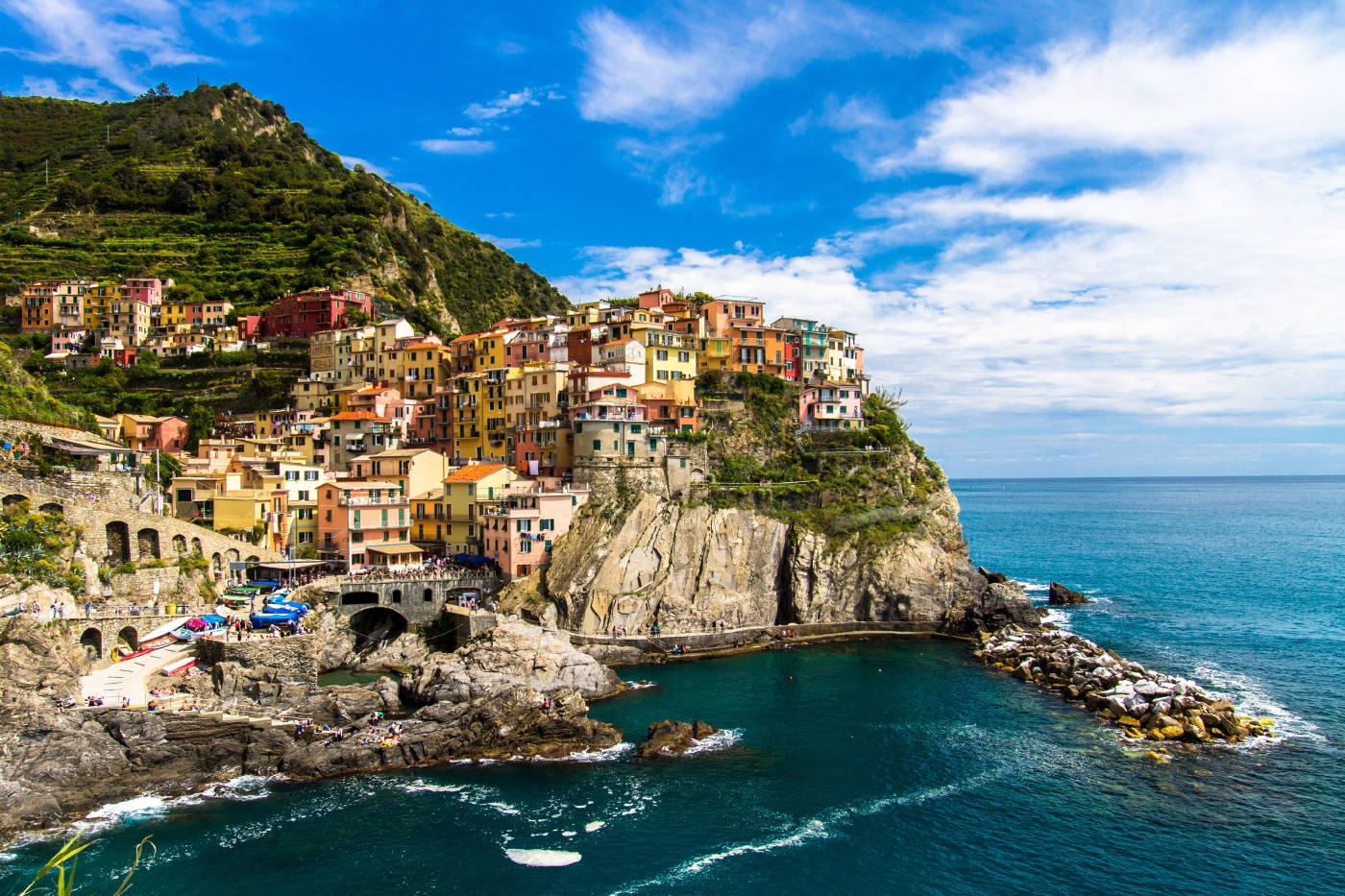
Cinque Terre
A string of five colorful fishing villages clinging to the rugged Ligurian coastline: Monterosso al Mare, Vernazza, Corniglia, Manarola, and Riomaggiore.
Key Attractions:
Hiking the Trails: The Sentiero Azzurro (Blue Trail) connects the villages. Check for trail closures before you go.
Village Hopping by Train: The regional train is the fastest way to travel between villages.
Boat Tours: Offer spectacular views of the villages from the sea.
Enjoying Local Cuisine: Try fresh anchovies, pesto Genovese (originated in this region), and focaccia.
Practical Information:
Stay: Stay in one of the five villages for an immersive experience. Book well ahead.
Transport: The Cinque Terre Train Card offers unlimited train travel between the villages and access to the hiking trails.
Parma
A city in the Emilia-Romagna region, a paradise for food lovers, known for Prosciutto di Parma and Parmigiano Reggiano cheese.
Key Attractions:
Parma Cathedral & Baptistery: Excellent examples of Romanesque architecture.
Palazzo della Pilotta: A vast complex housing the National Gallery and the Farnese Theatre.
Food Tours: Essential. Visit a local cheese factory (caseificio) and a prosciutto producer (prosciuttificio).
Venice (Venezia)
A magical city built on water, with canals for streets.
Key Attractions:
St. Mark’s Square (Piazza San Marco): The heart of Venice, home to St. Mark’s Basilica and the Doge’s Palace.
Grand Canal: Take a vaporetto (water bus) along the main canal to see the palazzos.
Rialto Bridge: The oldest and most famous bridge across the Grand Canal.
Get Lost: The best way to experience Venice is to wander away from the main tourist paths.
Practical Information:
Stay: San Marco for luxury, Cannaregio or Dorsoduro for a more local and quieter atmosphere.
Transport: Vaporetto is the main public transport. Avoid expensive gondolas for transit; they are best for a romantic experience.
Eat:Cicchetti (Venetian tapas), seafood risotto, and Aperol Spritz.