A Grand Tour of Western Europe: Amsterdam to Cologne and Back
This comprehensive travel guide details a classic circuit through the heart of Western Europe, connecting the vibrant capitals and charming towns of the Netherlands, Belgium, France, Luxembourg, and Germany. The itinerary, starting and ending in Amsterdam, is designed to offer a rich tapestry of experiences, from world-class art and architecture to culinary delights and historical wonders.
Itinerary Overview
The journey spans approximately 14-21 days, covering a diverse range of landscapes and cultures. The route is efficiently connected by an excellent network of trains and highways, making it ideal for both independent travelers and those preferring guided tours. The suggested order is:
Amsterdam → Zaanse Schans (Windmill Village) → The Hague → Rotterdam → Antwerp → Bruges → Brussels → Paris → Luxembourg City → Trier → Heidelberg → Frankfurt → Cologne → Amsterdam.
Chapter 1: The Netherlands – Canals, Culture, and Modernism
Amsterdam
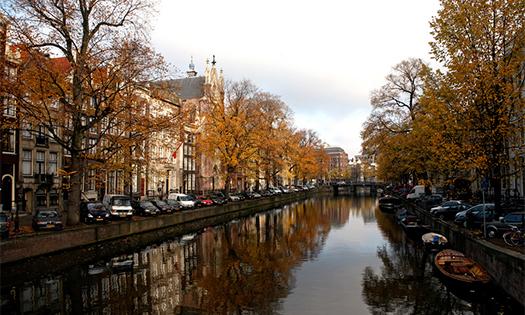
Amsterdam, the capital of the Netherlands, is a city of picturesque canals, historic gabled houses, world-renowned museums, and a vibrant, tolerant atmosphere. It serves as the perfect start and end point for this grand tour.
Attractions: The Anne Frank House (book tickets months in advance), the Rijksmuseum (home to Rembrandt’s “Night Watch”), the Van Gogh Museum, and the Stedelijk Museum of modern art. A canal cruise is essential for appreciating the city’s unique architecture and layout. For a more local experience, explore the Jordaan district or rent a bike to cycle like a true Dutchie.
Food & Drink: Sample traditional Dutch snacks like bitterballen (deep-fried meatballs) and stroopwafels (caramel-filled waffles). Try raw herring with onions from a street stand. For a drink, visit a traditional brown cafe (bruin café).
Transportation: Amsterdam Schiphol Airport (AMS) is a major international hub. The city center is best explored on foot, by bicycle, or using the efficient GVB trams and metro system.
Accommodation: Options range from luxury hotels along the canals to boutique hotels in the Nine Streets (De Negen Straatjes) and budget-friendly hostels in the city center.
Cultural Insight: Amsterdam embodies a spirit of gezelligheid, a Dutch word conveying coziness, comfort, and conviviality. The city’s history of trade and tolerance is evident in its diverse and open-minded culture.
Zaanse Schans (Windmill Village)
Just a short trip north of Amsterdam, Zaanse Schans is an open-air museum that vividly brings the Netherlands’ industrial past to life.
Attractions: See working windmills used for grinding spices, producing paint, and sawing wood. Visit the clog workshop and cheese farm to see traditional Dutch crafts in action. The well-preserved green wooden houses are quintessentially Zaan region.
Transportation: Easily accessible by train from Amsterdam Central Station to Zaandijk Zaanse Schans (approx. 17 minutes), followed by a pleasant 15-minute walk.
The Hague (Den Haag)
As the seat of the Dutch government and the International Court of Justice, The Hague is a city of elegance and international importance.
Attractions: Visit the Binnenhof (Inner Court), the heart of Dutch politics. Don’t miss the Mauritshuis museum, which houses Vermeer’s “Girl with a Pearl Earring” and masterpieces from the Dutch Golden Age. A trip to the nearby Scheveningen beach offers a breath of fresh sea air.
Transportation: A direct train from Amsterdam Central Station takes about 50 minutes.
Rotterdam
In stark contrast to Amsterdam, Rotterdam is a bold architectural marvel, having been almost entirely rebuilt after WWII. It’s Europe’s largest port and a hub of modern design.
Attractions: Marvel at the Cube Houses (Kubuswoningen), the stunning Markthal (Market Hall) with its massive interior artwork, and the Erasmus Bridge. Take a Spido harbor tour to grasp the scale of the port. The Kunsthal museum offers diverse art exhibitions.
Food & Drink: Rotterdam’s multicultural population is reflected in its food scene. The Markthal is a great place to sample international and local delicacies.
Transportation: Only 25-40 minutes by train from The Hague or 40 minutes from Amsterdam.
Chapter 2: Belgium – Medieval Splendor and Urban Chic
Antwerp
Crossing into Belgium, Antwerp is a dynamic port city known as the world’s diamond capital and a fashion hotspot, all set within a stunning historic center.
Attractions: The Cathedral of Our Lady houses several masterpieces by Baroque painter Peter Paul Rubens. Explore the Grote Markt (main square) with its ornate guildhouses and the Brabo Fountain. The central station itself is an architectural landmark.
Food & Drink: This is the place to enjoy Belgian fries with a wide variety of sauces. Don’t leave without trying several varieties of Belgian beer in a traditional pub.
Transportation: A direct train from Rotterdam Central Station takes approximately 40 minutes.
Bruges (Brugge)
Often called the “Venice of the North,” Bruges is a perfectly preserved medieval city with cobblestone lanes, romantic canals, and postcard-perfect scenery.
Attractions: Take a boat tour along the canals, climb the 366-step Belfry tower for panoramic views, and visit the Markt square. The Basilica of the Holy Blood claims to house a vial of Christ’s blood.
Food & Drink: Indulge in decadent Belgian chocolates from local chocolatiers. Warm up with a bowl of Flemish beef stew (Stoverij/Carbonade Flamande). Bruges is also famous for its lace.
Accommodation: Staying in a historic bed and breakfast within the city center enhances the fairy-tale experience.
Transportation: A train from Antwerp to Bruges takes about 1.5 hours with a change in Ghent.
Brussels
The capital of Belgium and the de facto capital of the European Union, Brussels is a cosmopolitan city blending grand administrative buildings with a historic core.
Attractions: See the iconic Manneken Pis statue and the magnificent Grand-Place (Grote Markt), a UNESCO World Heritage site. Visit the Atomium, a remnant of the 1958 World’s Fair. Comic strip lovers can follow the city’s mural trail featuring Tintin and others.
Food & Drink: Brussels is synonymous with waffles, mussels and fries (Moules-frites), and an incredible variety of beers. The Sablon area is known for its high-end chocolate shops.
Transportation: High-speed trains (Thalys) connect Brussels to major cities like Paris and Amsterdam. The city has an extensive metro system.
Chapter 3: France & Luxembourg – Grandeur and History
Paris
The “City of Light” needs little introduction. Paris is a global center for art, fashion, gastronomy, and culture, offering an endless array of iconic sights.
Attractions: The Eiffel Tower, the Louvre Museum (home to the Mona Lisa), Notre-Dame Cathedral (exterior viewing), Arc de Triomphe, and Montmartre district with the Sacré-Cœur Basilica are all must-sees. A stroll along the Seine is quintessentially Parisian.
Food & Drink: Enjoy fresh croissants and coffee at a sidewalk café, indulge in steak frites, escargots, or onion soup. Sample pastries from a patisserie and explore the wine bars of Le Marais.
Transportation: The high-speed Thalys train from Brussels to Paris takes about 1.5 hours. Within Paris, the Metro is the most efficient way to get around.
Accommodation: Neighborhoods like Le Marais, Saint-Germain-des-Prés, and the Latin Quarter offer charming accommodations with easy access to major sites.
Cultural Insight: Parisians take pride in their art de vivre (art of living). Meals are often leisurely affairs, and appreciating fine art and fashion is part of daily life.
Luxembourg City
The capital of the Grand Duchy of Luxembourg is a fascinating blend of ancient and modern, built dramatically around deep gorges.
Attractions: Walk the Chemin de la Corniche, dubbed “Europe’s most beautiful balcony,” for stunning views of the Grund district below. Explore the Bock Casemates, a network of underground fortifications. The Palace of the Grand Dukes is another key sight.
Transportation: A direct train from Paris-Est station takes just over 2 hours. The city center is very walkable.
Chapter 4: Germany – Roman Heritage and Romantic Roads
Trier
Trier proudly holds the title of Germany’s oldest city, founded by the Romans in 16 BC. It’s a treasure trove of well-preserved Roman monuments.
Attractions: Visit the Porta Nigra, a massive Roman city gate; the Imperial Baths (Kaiserthermen); and the Aula Palatina (Basilica). Trier is also the birthplace of Karl Marx, and his house is now a museum.
Transportation: A scenic regional train journey from Luxembourg City takes about 50 minutes.
Heidelberg
Heidelberg is the epitome of German Romanticism, with its world-famous castle ruins overlooking the Altstadt (Old Town) and the Neckar River.
Attractions: Take the funicular railway up to Heidelberg Castle for breathtaking views. Walk across the Old Bridge (Alte Brücke), and stroll down the Hauptstrasse, one of Europe’s longest pedestrian streets. Don’t miss the Student Prison at the University.
Food & Drink: Try local dishes like Saumagen (stuffed pig’s stomach) or enjoy a beer in one of the traditional student taverns.
Transportation: A train from Trier to Heidelberg requires one or two changes and takes roughly 3 hours.
Frankfurt
Frankfurt is Germany’s financial powerhouse, known for its impressive skyline of skyscrapers (earning it the nickname “Mainhattan”). However, it also boasts a charming historic center.
Attractions: Contrast the modern skyline with the reconstructed Römerberg square, the city’s historic heart. Visit the Städel Museum for an outstanding art collection. The Palmengarten is a beautiful botanical garden.
Transportation: Frankfurt Airport (FRA) is one of Europe’s busiest hubs. The train from Heidelberg takes about 1 hour. Frankfurt’s central location makes it a major transport node.
Cologne (Köln)
Cologne is dominated by its magnificent Gothic cathedral, a UNESCO World Heritage site. The city is known for its vibrant cultural scene and its signature Kölsch beer.
Attractions: The Cologne Cathedral (Kölner Dom) is an absolute must-see; climb the south tower for a spectacular view. Cross the Hohenzollern Bridge, famous for its “love locks.” The Romano-Germanic Museum sits on the site of an ancient Roman villa.
Food & Drink: Visit a traditional Brauhaus to drink Kölsch, a light beer served in small glasses. Pair it with local specialties like Himmel un Äd (black pudding with mashed potatoes and apple sauce).
Transportation:A high-speed ICE train from Frankfurt to Cologne takes just over 1 hour. From Cologne, there are frequent direct trains back to Amsterdam (approx. 2.5-3 hours), completing the circuit.
Practical Travel Information
Transportation
By Train: This itinerary is perfectly suited for rail travel. Consider rail passes like Eurail (for non-Europeans) or Interrail (for Europeans) for flexibility. For high-speed trains like Thalys, seat reservations are mandatory and should be booked well in advance.
By Car: Renting a car offers maximum flexibility for exploring rural areas but can be a hassle and expensive in city centers due to traffic, parking fees, and restricted zones.
Between Cities: Always check schedules on national railway websites: NS (Netherlands), SNCB (Belgium), SNCF (France), CFL (Luxembourg), and Deutsche Bahn (Germany).
Accommodation Tips
- Book accommodations well in advance, especially for popular cities like Amsterdam, Bruges, and Paris during peak season.
- Consider location relative to train stations for easier access with luggage.
- A variety of options are available: hotels, hostels, boutique B&Bs, and vacation rentals (e.g., Airbnb).
Cuisine Highlights
The journey is a culinary adventure. Key experiences include: Dutch cheese and herring; Belgian fries, waffles, chocolate, and beer; French pastries, wine, and bistro cuisine; German sausages, schnitzel, and regional beers. Be adventurous and try local specialties in each destination.
Cultural Etiquette
Tipping: In restaurants, service is usually included. It’s customary to round up the bill or leave small change (5-10%) for good service across all these countries.
Greetings: Learn basic greetings in the local language (“Hallo,” “Bonjour,” “Guten Tag”). A little effort is greatly appreciated.
Punctuality: Being on time is valued, especially for trains and tours.
Café Culture: In France and Belgium, it’s acceptable to occupy a café table for a long time with just a single coffee.