A Circular Journey from London: White Cliffs, Cathedral Cities, and Coastal Air
This travel guide details a classic and rewarding circular trip from England’s bustling capital to its serene southeastern coast and historic heartland. The route takes you from the modern metropolis of London to the dramatic natural spectacle of the Seven Sisters Cliffs, then on to the spiritual centre of Canterbury, before returning to the capital. It’s a journey that encapsulates the diverse essence of England within a manageable few days.
Part 1: London – The Animated Prelude
Your journey begins and ends in London, a city that needs little introduction. While the focus of this itinerary lies beyond its boundaries, London serves as the perfect logistical base and a vibrant point of contrast to the countryside you are about to explore.
Key Attractions & Cultural Context
London is a city of distinct villages, each with its own character. For the traveler setting out on this trip, the areas around major transport hubs are particularly relevant.
South Bank & London Bridge: This vibrant stretch along the River Thames is not only home to landmarks like the Shard, Tate Modern, and Shakespeare’s Globe, but it’s also the departure point for many trains heading south towards the coast. The view of the City of London from here is iconic.
Victoria Station Area: A major transport hub with trains and coaches departing for various destinations, including those near Canterbury. The area itself is bustling with shops and is a short walk from Buckingham Palace and St. James’s Park.
Cultural Insight: Notice the shift in pace as you move from the intense financial centre of the City to the more tourist-focused West End, and finally to the transport hubs. London’s identity is multifaceted, constantly evolving while fiercely protecting its history.
Food & Drink
Before you depart, sample the capital’s culinary diversity.
Pre-Journey Meal: For a classic, no-frills British experience, find a traditional pub near your accommodation. A pie and mash, a plate of fish and chips, or a Sunday roast with a pint of ale is the perfect way to ground yourself before your trip.
Food Markets: For something quicker, visit a food market like Borough Market (near London Bridge) for gourmet sandwiches, cheeses, and other delicacies perfect for a picnic on the cliffs later.
Transportation: The Starting Point
You will be using two main stations for this circular route:
London Victoria: For direct trains to Canterbury East.
London Bridge / St Pancras International / King’s Cross: For trains to Brighton or Eastbourne, which are gateways to the Seven Sisters.
Travel Tip: Book your train tickets in advance online via sites like National Rail or Trainline for significant savings compared to buying on the day. An Oyster card or Contactless bank card is essential for navigating London’s Underground and buses.
Part 2: The Seven Sisters White Cliffs – A Breath of Wild Air
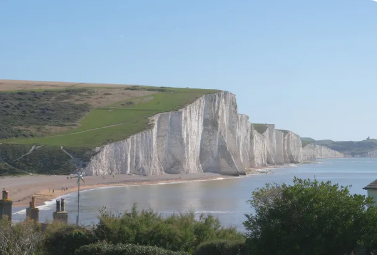
Leaving London behind, you head for one of England’s most iconic natural landmarks. The Seven Sisters are a series of chalk cliffs that form a stunning white wall against the English Channel, representing the untamed edge of the country.
Getting There: The Approach
There are several ways to reach the cliffs, each offering a different experience.
Option 1 (Via Seaford): Take a train from London Bridge or London Victoria to Brighton, then change for a local train to Seaford. From Seaford station, it’s a pleasant 15-minute walk to the coast path. This route allows you to start your walk from Seaford Head, offering the classic, breathtaking first view of all seven cliffs at once.
Option 2 (Via Eastbourne): Take a direct train from London Victoria to Eastbourne. From Eastbourne, you can take the 12A or 13X bus (seasonal) to the “Birling Gap” stop, which sits right in the middle of the cliff face. This is a good option for those who want to minimize walking.
The Best Walk: The most rewarding approach is to walk from Seaford to Eastbourne (or vice-versa). This 5-7 mile walk takes you over all seven sisters, with constant, spectacular views. The terrain is undulating (be prepared for hills!) and can be muddy after rain.
The Experience: Attractions and Sights
The main attraction is the cliffs themselves and the exhilarating walk along their edge.
Seaford Head: Your first viewpoint if starting from Seaford. The vista of the sweeping curve of white cliffs is unforgettable and provides the best photo opportunity to capture all “Seven Sisters.”
The Walk Itself: As you traverse the path, you’ll cross each of the “sisters” (each hill has its own name). The landscape is one of rolling green downs meeting sheer white drops to a often-turquoise sea. The air is fresh and filled with the sounds of seabirds.
Birling Gap: A small hamlet nestled in a dip between the cliffs. Here you’ll find a National Trust café, toilets, and access to a pebble beach. It’s a popular spot to rest and refuel.
Belle Tout Lighthouse: A beautiful historic lighthouse perched atop the cliffs, now a private residence and B&B. It marks the approach to Beachy Head.
Beachy Head: The highest chalk sea cliff in Britain, standing at 162 meters. It offers awe-inspiring views but requires caution; stay well back from the edge as it is unstable.
Food & Drink
Options are limited on the cliffs themselves, so planning is key.
Picnic: The absolute best way to dine here is with a picnic. Bring supplies from London (like from Borough Market) or pick up items in Seaford/Eastbourne. Find a safe spot away from the edge and enjoy one of England’s finest al fresco dining rooms.
Birling Gap Café: Run by the National Trust, this café offers hot and cold drinks, sandwiches, cakes, and ice cream. It’s simple fare but welcome after a long walk.
Pubs in Eastbourne/Seaford: After your walk, reward yourself with a meal and a pint at a traditional pub in either town. Fish and chips taste particularly good after a day by the sea.
Practical Tips & Local Insights
Footwear is Crucial: Wear sturdy, comfortable walking shoes or boots. The path is uneven and can be slippery.
Check the Weather: The coast is exposed. It can be sunny in London and windy/rainy on the cliffs. Dress in layers and bring waterproofs.
Respect the Edge: The cliff edges are unstable and can collapse without warning. Never go near the edge for a photo. Stay on the designated paths.
Tide Times: If you plan to go down to the beach at Birling Gap, check tide times to avoid being cut off.
Local Insight: The white colour comes from the chalk (calcium carbonate) formed from the skeletons of microscopic sea creatures over millions of years. They are a constantly changing landscape, eroding by several centimeters each year.
Part 3: Canterbury – A Journey Through Pilgrimage and History
From the raw natural beauty of the coast, your journey turns inland to the historic city of Canterbury. As the seat of the Church of England and a UNESCO World Heritage Site, Canterbury feels like stepping back in time, with its medieval streets, ancient city walls, and awe-inspiring cathedral.
Getting There: From Coast to Cathedral
The journey from the Seven Sisters to Canterbury requires a connection, usually via Brighton or Ashford International.
From Eastbourne/Seaford: Take a train back to Brighton. From Brighton, there are direct trains to Canterbury West. The total journey time is approximately 1.5 to 2 hours.
Arrival: Canterbury has two stations: Canterbury West (served by trains from London St Pancras and Brighton) and Canterbury East (served by trains from London Victoria). Both are a short 10-15 minute walk from the city centre and cathedral.
Key Attractions & Cultural Context
Canterbury’s history is palpable at every turn.
Canterbury Cathedral: The absolute must-see. This is where Archbishop Thomas Becket was murdered in 1170, turning the cathedral into one of Europe’s most important pilgrimage sites. The architecture is staggering, from the Romanesque crypt to the soaring Gothic nave and the site of Becket’s martyrdom. Allow at least 2-3 hours to fully appreciate it.
The Canterbury Tales: A fun and family-friendly attraction that recreates Geoffrey Chaucer’s famous stories using audio guides and life-sized models. It provides excellent context for the medieval pilgrimage experience.
St Augustine’s Abbey: Another part of the UNESCO World Heritage Site, these ruins mark the rebirth of Christianity in southern England. It’s a peaceful and historically significant site just a short walk from the cathedral.
Medieval City Walls & Westgate Towers: Walk along the well-preserved medieval walls for great views over the city. The Westgate Towers is England’s largest surviving medieval gateway and now houses a museum.
The Old Streets: Simply wandering through Buttermarket, Mercery Lane, and The King’s Mile is an attraction in itself. These cobbled lanes are lined with Tudor buildings housing independent shops, bookstores, and cafes.
Food & Drink
Canterbury offers a mix of historic pubs and modern eateries.
Traditional Pubs: Seek out historic pubs like The Old Weaver’s House (dating back to the 1500s, built over the river) or The Parrot (which claims roots from the 14th century). They offer classic British pub food and a wonderfully atmospheric setting.
Café Culture: The city has a vibrant café scene. Enjoy a cream tea (scones with clotted cream and jam) in one of the many tea rooms.
Goods Shed: For foodies, this is a must-visit. A farmer’s market and restaurant housed in a restored goods shed next to Canterbury West station, it sources all its produce locally from Kent, known as “The Garden of England.”
Practical Tips & Local Insights
Book Cathedral Tickets Online: To avoid queues, especially during peak season, book your cathedral entry online in advance.
Punting on the River Stour: For a different perspective, take a punt tour along the gentle river that winds through the city centre, passing by historic gardens and buildings.
Cultural Insight: Canterbury is a university city, so alongside the deep history, there’s a youthful and lively energy, particularly in the evenings.
Local Insight: Look for the “Canterbury Historic River Tours” signs – the guides are often founts of knowledge about the city’s lesser-known stories.
The Return to London
The final leg of your journey is a simple train ride back to London. Trains from Canterbury West will take you swiftly to London St Pancras International in under an hour, while services from Canterbury East will bring you to London Victoria in about an hour and a half. As you travel back, you’ll have time to reflect on the remarkable contrast experienced in just a few days: from London’s urban energy, to the wild coastal freedom of the Seven Sisters, and finally through centuries of history in Canterbury – a perfect microcosm of England itself.
A Sample 3-Day Itinerary
Day 1: London to Seven Sisters. Morning train from London to Seaford. Walk from Seaford Head to Eastbourne over the Seven Sisters. Overnight in Eastbourne or take an evening train to Canterbury and check in there.
Day 2: Explore Canterbury. A full day dedicated to Canterbury Cathedral, The Canterbury Tales, wandering the medieval streets, and enjoying a pub dinner.
Day 3: Canterbury to London. A final morning in Canterbury perhaps visiting St Augustine’s Abbey or going punting. Afternoon train back to London.
This itinerary is flexible. You can base yourself in London for all nights for simplicity, or stay in Canterbury for two nights to explore more of Kent. Regardless of how you structure it, this circular journey offers an unforgettable glimpse into the soul of England.