A Comprehensive Travel Guide to Egypt: Cairo, Hurghada, Luxor & Aswan
This guide provides an objective and practical overview for travelers exploring the classic Egyptian route from the bustling capital to the serene wonders of the Nile.
Introduction to the Egyptian Adventure
A journey through Cairo, Hurghada, Luxor, and Aswan offers a perfect blend of ancient history, vibrant culture, and breathtaking natural beauty. This route takes you from the iconic pyramids and chaotic streets of the capital, to the pristine Red Sea reefs, and finally deep into the heart of ancient Egypt along the life-giving Nile River in Upper Egypt. Each city presents a distinct facet of this fascinating country.
Cairo: The Vibrant Capital
Overview
Cairo, “The Victorious,” is a sprawling metropolis teeming with life, history, and culture. It is the gateway to Egypt for most travelers and home to one of the Seven Wonders of the Ancient World.
Key Attractions
Giza Plateau: Home to the Great Pyramids of Khufu, Khafre, and Menkaure, and the Great Sphinx. The site is vast and awe-inspiring, best visited early in the morning to avoid crowds and heat.
The Egyptian Museum (Tahrir Square): Houses an unparalleled collection of pharaonic antiquities, including the treasures from Tutankhamun’s tomb. Note: Many key items are gradually being moved to the new Grand Egyptian Museum (GEM); check the status before your visit.
The Grand Egyptian Museum (GEM): Located near the Giza Plateau, this state-of-the-art museum is poised to be the world’s largest archaeological museum. Its full opening is highly anticipated.
Khan el-Khalili Bazaar: A labyrinthine market dating back to the 14th century. It’s a sensory overload of spices, perfumes, lanterns, jewelry, and souvenirs. Haggling is expected.
Islamic Cairo: Explore historic mosques, madrasas, and fortifications. Key sites include the Citadel of Saladin (offering panoramic city views) and the Mosque-Madrassa of Sultan Hassan.
Coptic Cairo: The historic heart of the Coptic Christian community, featuring the Hanging Church, the Coptic Museum, and the Ben Ezra Synagogue.
Practical Information for Cairo
Getting Around: Traffic is notoriously chaotic. Use ride-hailing apps (Uber/Careem) for convenience and fixed fares. The metro is efficient for reaching key areas.
Accommodation: Areas like Zamalek (quiet, island neighborhood) and Downtown are popular. Many luxury hotels are located near the Giza Plateau.
Dining: From street food like koshary (a mix of rice, lentils, pasta, and chickpeas) to upscale restaurants offering Egyptian and international cuisine.
Tips: Be prepared for persistent vendors. A firm “La, shukran” (No, thank you) is essential. Dress modestly, especially when visiting religious sites.
Hurghada: Red Sea Riviera
Overview
After the intensity of Cairo, Hurghada offers a complete contrast. Originally a small fishing village, it has developed into a major resort town on the Red Sea coast, renowned for its world-class diving, snorkeling, and water sports.
Key Attractions & Activities
Diving and Snorkeling: The Red Sea boasts some of the world’s most vibrant coral reefs and diverse marine life. Popular dive sites include Giftun Island, Abu Ramada, and the Straits of Gubal. Numerous dive centers cater to all skill levels.
Boat Trips: Day trips on glass-bottom boats or luxury yachts to nearby islands are a staple activity.
Desert Safaris: Take a quad biking or jeep safari into the Eastern Desert to visit Bedouin tribes, experience a traditional tea ceremony, and admire the stunning sunset over the mountains.
Hurghada Marina: A modern development with upscale restaurants, cafes, and shops—a pleasant place for an evening stroll.
Relaxation: The primary activity for many is simply enjoying the sun, sea, and all-inclusive resort amenities.
Practical Information for Hurghada
Getting There: Direct flights from Cairo or a 6-hour drive/bus ride. The drive offers dramatic views of the desert landscape.
Accommodation: Ranges from all-inclusive resort complexes to smaller hotels and budget hostels. The resort areas are spread out along the coast.
Dining: Resorts offer extensive buffets. Venture out for fresh seafood at local restaurants.
Tips: The sun is intense; high-SPF sunscreen is a must. If diving, ensure your operator is certified by a recognized organization like PADI or SSI.
Luxor: The World’s Greatest Open-Air Museum
Overview
Luxor, ancient Thebes, was the glorious capital of Egypt during the New Kingdom. The city is divided by the Nile River: the East Bank, City of the Living, and the West Bank, City of the Dead.
Key Attractions
East Bank
Karnak Temple Complex: The largest religious building ever constructed. A vast city of temples, pylons, and obelisks built over 2,000 years. The Hypostyle Hall with its 134 massive columns is unforgettable.
Luxor Temple: Located in the heart of the modern city, it is beautifully illuminated at night. It was connected to Karnak by a 3-kilometer avenue of sphinxes.
West Bank
Valley of the Kings: The burial place of pharaohs like Tutankhamun, Ramses II, and Seti I. Entrance tickets typically cover access to three tombs (excluding Tutankhamun’s and others which require separate tickets).
Temple of Hatshepsut (Deir el-Bahari): A stunning mortuary temple built into the cliffs, dedicated to the famous female pharaoh.
Valley of the Queens: Home to the tombs of royal wives and children, most notably the beautifully decorated tomb of Queen Nefertari (requires a separate, expensive ticket).
Medinet Habu: The mortuary temple of Ramses III, with well-preserved and colorful reliefs.
The Colossi of Memnon: Two massive stone statues of Amenhotep III that mark the entrance to his now-vanished mortuary temple.
Practical Information for Luxor
Getting There: A short flight from Cairo or Hurghada; or an overnight sleeper train from Cairo. Many visitors arrive via a Nile Cruise from Aswan.
Getting Around: Taxis are common. A popular way to see the West Bank is by hiring a private driver for the day. Hot air balloon rides at dawn offer spectacular views.
Accommodation: Options range from luxury Nile-side hotels to budget guesthouses.
Tips:The West Bank is extensive and hot; start early, wear a hat, and carry ample water. A knowledgeable guide is highly recommended to understand the complex history.
Aswan: Nubian Serenity & Engineering Marvels
Overview
Aswan is Egypt’s southernmost city and has a distinctly more relaxed and African feel. The pace is slower, the air is drier, and the landscape of granite rocks and palm-fringed islands on the Nile is stunningly beautiful. It is also the gateway to understanding Nubian culture.
Key Attractions
Aswan High Dam: A modern engineering marvel completed in 1970, which controls the Nile’s floods and generates much of Egypt’s power.
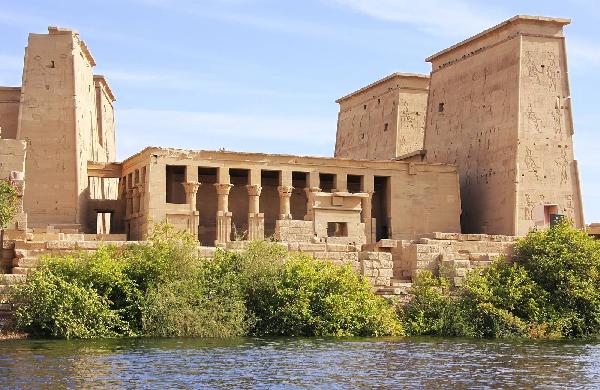
Philae Temple: Dedicated to the goddess Isis, this temple was meticulously relocated to Agilkia Island after being submerged by the original Aswan Dam. Reached by a scenic boat ride.
The Unfinished Obelisk: Still lying in its granite quarry, this massive obelisk offers incredible insight into ancient stone-working techniques. Had it been completed, it would have been the largest ever erected.
Nubian Villages: Take a boat to the colorful villages on the West Bank, such as Siou, to experience Nubian culture, hospitality, and vibrant architecture firsthand.
Elephantine Island & Aswan Museum: Explore ancient ruins and a small museum on this island in the middle of the Nile.
Abu Simbel (Day Trip): While a 3-hour drive south of Aswan, this is often visited from here. The colossal temples of Ramses II and his wife Nefertari, also relocated to save them from Lake Nasser, are one of Egypt’s most iconic sights. Flights and early morning convoys are available.
Practical Information for Aswan
Getting There: Fly from Cairo or Luxor; or take a train. The most scenic arrival is via Nile Cruise from Luxor.
Getting Around:The city center is walkable. Feluccas (traditional sailboats) are a must for short trips on the Nile. Taxis are available for longer distances.
Accommodation: Many hotels have prime locations on the banks of the Nile. Options exist on Elephantine Island for a more secluded experience.
The Souq:Aswan’s market is less touristy than Cairo’s and is famous for its spices, perfumes, and Nubian crafts.
Tips:The heat in Aswan can be intense. A felucca ride at sunset is a quintessential Aswan experience. Book tickets for the Nubian Sound and Light show at Philae Temple for a magical evening.