A Journey Through Time: A Travel Guide to Aswan, Edfu, and Luxor
Embarking on a journey from Aswan to Luxor, with a stop at the temple of Edfu, is to traverse the very heart of ancient Egypt. This stretch of the Nile River is an unparalleled open-air museum, where the grandeur of the pharaohs is etched into the very landscape. This guide provides a comprehensive, objective overview of the travel experience, covering the essential attractions, culinary delights, transportation options, and profound cultural insights you will encounter along this timeless route.
Aswan: The Nubian Gateway
Located in the deep south of Egypt, Aswan possesses a distinct, tranquil atmosphere compared to the bustle of Cairo or Luxor. The air is dry and clean, the pace of life is slower, and the landscape is dominated by the majestic Nile, dotted with granite rocks and palm-fringed islands. It serves as the cultural capital of Nubia, offering a different perspective on Egypt’s rich heritage.
Key Attractions in Aswan
Aswan High Dam: An immense feat of modern engineering completed in 1970, the High Dam tamed the Nile’s annual floods and created Lake Nasser, the world’s largest artificial lake. The view from the top is staggering, offering a perspective on the scale of the project. The visit is quick but essential to understanding modern Egypt’s relationship with its ancient river.
Philae Temple: Dedicated to the goddess Isis, this temple complex was meticulously relocated to its current island site, Agilkia, after the original was submerged by the rising waters of Lake Nasser. The approach by a small motorboat is part of the charm. The temple itself is a masterpiece of the Ptolemaic period, with exquisite reliefs and a serene, island setting that feels magical, especially during the sound and light show in the evening.
The Unfinished Obelisk: Located in a ancient granite quarry, this massive obelisk offers a fascinating glimpse into ancient stone-working techniques. Had it been completed, it would have been the largest piece of monolithic stone ever erected. The reason for its abandonment—a crack discovered in the granite—is still clearly visible, making it a poignant snapshot of a project frozen in time.
Elephantine Island & Nubian Villages: A visit to this island is a journey into local life. You can explore the ruins of the ancient city of Abu, including a temple to the ram-headed god Khnum. The highlight for many is a visit to a Nubian village on the island’s southern end, where houses are painted in vibrant blues, yellows, and pinks, and you might be invited for tea and to learn about their unique culture and language.
Abu Simbel (Day Trip): While a few hours’ drive south of Aswan, no visit to the region is complete without witnessing the colossal temples of Ramses II and his wife Nefertari at Abu Simbel. This UNESCO World Heritage site was also saved from the rising waters of Lake Nasser in a monumental relocation project. The scale and artistry of the statues and interior halls are simply breathtaking.
Aswan Food & Dining
Aswan’s cuisine reflects its Nubian influences and its location on the Nile. Fresh fish from the river, particularly Nile perch and tilapia, is a staple, often grilled and served with rice and salads. Be sure to try
Karkadeh, a refreshing hibiscus tea that can be served hot or cold. In the Nubian villages, you might encounter dishes like Ful Medames (stewed fava beans) with a distinct local twist.
Transportation & Practical Tips for Aswan
Getting Around: Taxis and horse-drawn carriages (caleches) are the primary means of transport within the city. For trips to Philae or the High Dam, you’ll need to hire a taxi for a few hours or join an organized tour.
Feluccas: A sunset sail on a traditional felucca is a quintessential Aswan experience. These wooden sailing boats offer a peaceful and beautiful way to see the islands and the Aga Khan Mausoleum from the water.
Local Insight: The Souk (market) in Aswan is less overwhelming than in other cities. It’s a great place to buy spices, Nubian crafts, and perfumes. Haggling is expected.
Best Time to Visit: October to April offers the most pleasant weather, with warm days and cool nights. Summers (May-September) are extremely hot.
The Journey North: Edfu and Kom Ombo
The most scenic and relaxing way to travel from Aswan to Luxor is by boat, either on a multi-day Nile cruise or a traditional felucca. This journey allows you to witness rural Egyptian life unfolding along the riverbanks.
Temple of Edfu
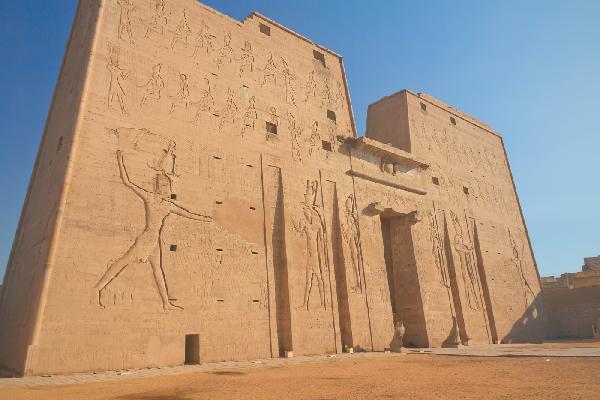
Dedicated to the falcon-headed god Horus, the Temple of Edfu is one of the best-preserved cult temples in Egypt. Its sheer completeness is what makes it so remarkable. Built during the Ptolemaic period, it gives you an unparalleled sense of what an ancient Egyptian temple complex looked like in its prime. You will walk through the massive pylons (gateways), into the grand courtyard, through two pillared halls, and finally into the sacred sanctuary, where a replica of the god’s ceremonial barque (boat) sits.
Travel Tip: The temple is located in the town of Edfu, a short distance from the river. From the cruise dock, you will be transported to the temple by horse-drawn carriage—an experience in itself. Be prepared for a bustling and sometimes chaotic scene at the carriage stand.
Temple of Kom Ombo
Unique in its double design, the Temple of Kom Ombo is dedicated to two gods: the crocodile-headed Sobek, god of fertility and creator of the world, and the falcon-headed Haroeris (Horus the Elder), the solar war god. The temple is perfectly symmetrical, with twin entrances, halls, and sanctuaries. Its riverside location is stunning, particularly at sunset. Don’t miss the nearby Crocodile Museum, which displays mummified crocodiles found at the site, a testament to the reverence held for Sobek’s sacred animal.
Luxor: The World’s Greatest Open-Air Museum
Ancient Thebes, modern-day Luxor, was the glorious capital of Egypt during the height of its power in the New Kingdom. The city is literally built upon and around its ancient ruins, split by the Nile into two distinct areas: the East Bank, City of the Living, and the West Bank, City of the Dead.
East Bank Attractions
Karnak Temple Complex: This is not merely a temple; it is a vast city of temples built over 2,000 years. Walking through Karnak is an overwhelming experience. The sheer scale of the Great Hypostyle Hall, with its 134 massive columns towering overhead, is humbling. Don’t miss the sacred lake, the towering obelisks, and the avenue of ram-headed sphinxes.
Luxor Temple: Located in the heart of the modern city, Luxor Temple is beautifully illuminated at night, making an evening visit highly recommended. Built primarily by Amenhotep III and Ramses II, it was connected to Karnak by a three-kilometer-long avenue of sphinxes. Its history is layered, with later additions by Alexander the Great and even a Roman shrine within its walls.
Luxor Museum: A modern and well-curated museum that houses a superb collection of artifacts from the Theban temples and necropolis. The lighting and labeling are excellent. Highlights include statues from Karnak and a separate gallery dedicated to the royal mummies of Ahmose I and Ramses I.
West Bank Attractions
The West Bank is an extensive area requiring at least one full day to explore properly. It is home to the famed Valleys of the Kings and Queens, mortuary temples, and tombs of nobles.
Valley of the Kings: The burial place of Egypt’s New Kingdom pharaohs, including the famous boy-king Tutankhamun. Your standard ticket typically allows entry to three tombs (the tomb of Tutankhamun requires a separate ticket). The tombs are deep tunnels cut into the rock, decorated with incredibly vivid and well-preserved hieroglyphs and paintings from the Book of the Dead. Each tomb has its own unique character.
Temple of Hatshepsut (Deir el-Bahari): The mortuary temple of Egypt’s most powerful female pharaoh is a stunning piece of architecture, built into a dramatic cliff face. Its three colonnaded terraces seem almost modern in their design. The reliefs depicting her divine birth and trading expedition to the land of Punt are highlights.
Valley of the Queens: Home to the tombs of royal wives and children. The most famous is the tomb of Queen Nefertari (requires a separate, expensive ticket), often called the “Sistine Chapel of Ancient Egypt” for its breathtakingly beautiful and well-preserved paintings.
Medinet Habu: The mortuary temple of Ramses III is one of the largest and best-preserved on the West Bank. Its massive pylons are covered with detailed battle scenes, and the overall scale is immense yet less crowded than other major sites.
Colossi of Memnon: These two gigantic seated statues of Amenhotep III are all that remain of his vast mortuary temple. They are your first introduction to the West Bank as they sit imposingly by the main road.
Luxor Food & Dining
Luxor offers a wider range of dining options than Aswan. Alongside traditional Egyptian fare like
koshary (a mix of rice, lentils, pasta, and chickpeas topped with tomato sauce) and grilled meats (kofta and shish tawook), you will find restaurants catering to international tastes. For an authentic local experience, seek out smaller restaurants away from the tourist corniche.
Transportation & Practical Tips for Luxor
Getting Around: Taxis and caleches are abundant. For exploring the sprawling West Bank efficiently, it is best to hire a private taxi or minivan for the day through your hotel or a trusted driver.
Hot Air Balloon Ride: A sunrise hot air balloon flight over the West Bank is a spectacular experience, offering an aerial view of the temples and valleys as the sun illuminates the desert.
Ticket Advice: Purchase a “Luxor Pass” if you plan to visit many sites. It can offer significant savings and allows you to skip some ticket lines. The premium version includes tombs like Nefertari’s and Seti I’s.
Guides are Invaluable: The historical sites are vast and complex. Hiring a knowledgeable, licensed Egyptologist guide for at least a day will dramatically enhance your understanding and appreciation.
Respectful Dress: While more relaxed than rural areas, modest dress (covering shoulders and knees) is appreciated when visiting mosques and in general public spaces.
A Note on Culture & Etiquette
Egyptians are generally warm, hospitable, and proud of their heritage. A few words of Arabic like “
Shukran” (Thank you) go a long way. Be prepared for persistent vendors at tourist sites; a polite but firm “La Shukran” (No, thank you) is usually sufficient. Baksheesh (tipping) is a deeply ingrained part of the culture; have small bills (5-20 EGP notes) on hand for restroom attendants, anyone who offers you a small service, or for when you take photos where it might be expected.
A Timeless Journey Awaits
The journey from Aswan to Luxor is more than a simple vacation; it is a pilgrimage through history. From the Nubian warmth of Aswan to the unparalleled imperial grandeur of Luxor’s temples and tombs, every moment is filled with awe-inspiring sights. By understanding what to expect—from navigating transportation to appreciating the profound cultural significance of each stone—you can fully immerse yourself in one of the world’s most magnificent travel experiences.