A Comprehensive Travel Guide: Cairo, Aswan, Edfu, Luxor, and Hurghada
This guide details a classic Egyptian itinerary, a journey through time along the life-giving Nile River, culminating in the restorative waters of the Red Sea. From the sprawling metropolis of Cairo to the majestic temples of Upper Egypt and the vibrant coral reefs of Hurghada, this route offers an unparalleled immersion into ancient history, vibrant culture, and breathtaking natural beauty.
Part 1: Cairo – The Vibrant Capital
Cairo, known as “The City of a Thousand Minarets,” is a sprawling, chaotic, and utterly captivating metropolis. It serves as the perfect starting point for any Egyptian adventure, offering a stark contrast between the ancient world and modern life.
Key Attractions in Cairo
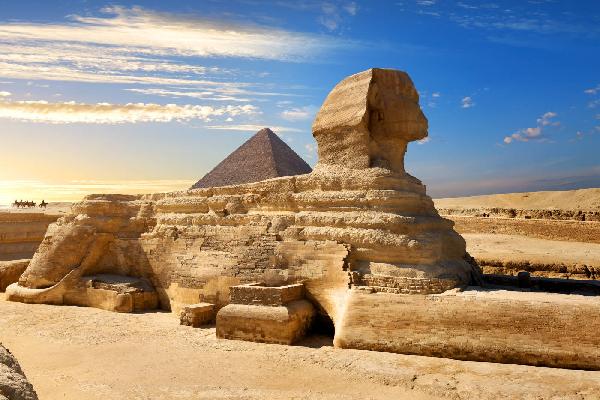
The Giza Plateau: Home to the last surviving wonder of the ancient world. The Great Pyramid of Khufu, the smaller pyramids of Khafre and Menkaure, and the enigmatic Sphinx are unmissable. Insight: Visit late in the afternoon to see the stones glow in the golden hour light and to avoid the largest crowds. The Sound and Light Show in the evening is a dramatic, if touristy, way to experience the site.
The Egyptian Museum (Tahrir Square): A treasure trove of antiquities, including the golden mask and riches of Tutankhamun. While often crowded and poorly labeled, its sheer volume of artifacts is staggering. Tip: Hire a guide for a few hours to navigate the highlights and understand the context. Note that many key pieces are gradually being moved to the new Grand Egyptian Museum (GEM).
The Grand Egyptian Museum (GEM): Located near the Giza Plateau, this state-of-the-art museum is partially open and promises to be the world’s largest archaeological museum. Check its official status before your trip, as it’s set to fully open soon, showcasing the complete Tutankhamun collection.
Islamic Cairo: Explore the historic Khan el-Khalili bazaar, a labyrinth of alleyways filled with shops selling spices, perfumes, lanterns, and souvenirs. Practice your bargaining skills. Nearby, visit the Al-Azhar Mosque and walk along Al-Muizz Street, one of the oldest streets in Cairo, lined with magnificent Mamluk-era monuments.
Coptic Cairo: A peaceful enclave representing Cairo’s Christian heritage. Visit the Hanging Church (Al-Muallaqa), built atop a Roman gatehouse, the Church of St. Sergius and Bacchus (said to be where the Holy Family rested), and the Ben Ezra Synagogue.
Cairo Food & Drink
Egyptian cuisine is hearty and flavorful. Must-try dishes include:
Koshary: A national dish of rice, lentils, chickpeas, pasta, and crispy fried onions, topped with a spicy tomato-vinegar sauce. Found in dedicated koshary restaurants everywhere.
Ful Medames: Mashed fava beans seasoned with garlic, lemon, and olive oil, typically eaten for breakfast.
Taameya (Egyptian Falafel): Made with fava beans instead of chickpeas, giving it a distinct green color and fluffier texture.
Grilled Meats: Try kofta (spiced minced meat skewers) and kebab.
Qahwa (Egyptian Coffee): Strong, thick, and often flavored with cardamom.
Insight: For a memorable dining experience, have dinner on a felucca (traditional wooden sailboat) on the Nile at sunset.
Transportation in & out of Cairo
Getting Around: Cairo’s traffic is legendary. The metro is efficient and cheap for reaching key areas. Ride-hailing apps like Uber and Careem are highly recommended for comfort and fixed fares. Taxis are plentiful but agree on a price before getting in.
Moving South: The most common way to continue the journey is by taking an overnight sleeper train from Cairo’s Ramses Station to Aswan, operated by Watania Sleeping Trains. It’s a time-efficient option that includes a dinner and breakfast service.
Part 2: Aswan – The Nubian Gem
Aswan has a completely different atmosphere from Cairo—slower, hotter, and more tranquil. The Nile is at its most beautiful here, dotted with granite rocks and islands. It is the gateway to Nubian culture.
Key Attractions in Aswan
Abu Simbel: A day trip from Aswan (usually departing around 4 AM), the Great Temple of Ramses II and the Temple of Hathor are monumental structures relocated to save them from the rising waters of Lake Nasser. The scale and artistry are awe-inspiring. You can fly or join a convoy by road.
Philae Temple: Dedicated to the goddess Isis, this temple was also meticulously moved to Agilkia Island to save it from flooding. A short boat ride is required to reach it, adding to its magical setting.
The Aswan High Dam: A modern engineering marvel that created Lake Nasser and controls the Nile’s floods. The viewpoint offers a sense of its immense scale.
The Unfinished Obelisk: Still lying in its granite quarry, this massive obelisk shows the incredible techniques used by ancient stoneworkers. A crack caused it to be abandoned.
A Felucca Ride: Essential in Aswan. Sail around the islands, including Kitchener’s Island (Botanical Garden) and Elephantine Island. At sunset, the views are spectacular.
A Nubian Village: Visit a village on the west bank, such as Gharb Soheil. The houses are painted in bright blues and yellows and decorated with murals. It’s a chance to learn about Nubian culture, enjoy a cup of tea, and perhaps hold a baby crocodile.
Aswan Food & Culture
The Nubian influence is strong here. Try fresh Nile perch from a riverside restaurant. Nubian hospitality is warm; you may be invited for tea in a village home. The Aswan market is less touristy than Cairo’s and is a great place to buy spices and dates.
Part 3: Edfu & Kom Ombo – Riverside Temples
The journey from Aswan to Luxor is best done by road or as part of a Nile cruise, stopping at two significant temples along the way.
Temple of Edfu: Dedicated to the falcon god Horus, this is one of the best-preserved temples in Egypt. Its massive pylons, courtyard, and hypostyle hall are incredibly intact. The reliefs depicting the myth of Horus defeating Seth are vivid and detailed.
Temple of Kom Ombo: Uniquely dedicated to two gods: the crocodile god Sobek and the falcon god Haroeris (Horus the Elder). The temple is symmetrical with twin entrances, halls, and sanctuaries. The Crocodile Museum on-site displays mummified crocodiles, found in a nearby necropolis.
Travel Tip: These temples are often visited early in the morning or late in the afternoon by cruise ship passengers. If you’re traveling independently, plan your visit for mid-day to potentially avoid the biggest crowds.
Part 4: Luxor – The World’s Greatest Open-Air Museum
Ancient Thebes, modern-day Luxor, is arguably the highlight of any Egyptian trip. The concentration of monumental ruins on both the East and West Banks of the Nile is unparalleled.
The East Bank: City of the Living
Karnak Temple Complex: A vast city of temples built over 2,000 years. Walk through the Great Hypostyle Hall, a forest of 134 gigantic columns. The scale is almost incomprehensible. Don’t miss the sacred lake.
Luxor Temple: Located in the heart of the modern city, it is beautifully illuminated at night. It was connected to Karnak by a 3-kilometer avenue of sphinxes. Its construction was contributed to by Amenhotep III, Tutankhamun, and Ramses II.
The West Bank: City of the Dead
Valley of the Kings: The burial place of pharaohs like Tutankhamun, Ramses VI, and Seti I. Your standard ticket typically includes entry to three tombs. The colors inside some tombs remain incredibly vibrant. The separate ticket for Tutankhamun’s tomb is worth it for history enthusiasts. Important: Photography inside most tombs is prohibited to preserve the pigments.
Temple of Hatshepsut (Deir el-Bahari): A stunning mortuary temple built into the cliffs. Its modern, terraced design stands in stark contrast to other temples. It tells the story of Egypt’s powerful female pharaoh.
The Colossi of Memnon: Two massive stone statues of Amenhotep III that have stood guard for 3,400 years. They are often the first stop on a West Bank tour.
The Valley of the Queens & Medinet Habu: If time allows, the Valley of the Queens contains beautifully decorated tombs, and Medinet Habu, the mortuary temple of Ramses III, features impressive and well-preserved reliefs.
Luxor Food & Transportation
The corniche by the Nile is lovely for an evening stroll. Luxor has a good range of restaurants catering to tourists. For transportation on the West Bank, it’s common to hire a private car and driver for the day, which is efficient and affordable when split between a small group. Alternatively, you can rent bicycles for a more adventurous experience.
Part 5: Hurghada – The Red Sea Riviera
After days of exploring ancient dust-covered ruins, Hurghada provides a perfect contrast with its turquoise waters and golden beaches. This resort town on the Red Sea is dedicated to relaxation and water sports.
Key Attractions & Activities in Hurghada
Snorkeling and Diving: The Red Sea is world-renowned for its coral reefs and marine life. Giftun Island is a popular spot for day trips, offering crystal-clear waters teeming with colorful fish. Even from the beach at many resorts, you can often see impressive marine life.
Desert Safari: Take a quad biking or jeep safari into the Eastern Desert. Visits can include Bedouin villages, where you can learn about their culture and enjoy tea under the stars.
Mahmya Island (Giftun Protectorate): An eco-friendly beach area on Giftun Island with pristine sand and excellent snorkeling right from the shore.
Hurghada Marina: A modern development with upscale shops, restaurants, and bars—a great place for an evening out.
Hurghada Food & Relaxation
The focus here is on fresh seafood. Many restaurants along the waterfront serve the day’s catch grilled to perfection. Resorts typically offer all-inclusive packages with extensive buffet options.
The Journey Back: Hurghada to Cairo
The most convenient way to return to Cairo from Hurghada is by a short domestic flight (approx. 1 hour). Alternatively, there are long-distance buses that take around 6-7 hours. This brings your epic Egyptian circuit to a close.
Practical Travel Tips & Cultural Insights
Best Time to Visit
The ideal time for this itinerary is during the cooler months from
October to April. Summer (May-September) is extremely hot, especially in Upper Egypt (Luxor/Aswan).
Cultural Etiquette
Dress Modestly: Especially when visiting mosques and in local neighborhoods. Covering shoulders and knees is respectful for both men and women.
Tipping (Baksheesh): Tipping is deeply ingrained in the culture for even small services. Carry small bills of Egyptian pounds for this purpose.
Bargaining: Expected in markets (souks). Start at about half the asking price and negotiate with a smile. It’s a social interaction, not a confrontation.
Photography: Always ask permission before photographing people. It is forbidden inside most tombs in the Valley of the Kings and in some areas of museums.
Health & Safety
Water: Drink only bottled water. Avoid ice in drinks and salads that may have been washed in tap water.
Sun Protection: The Egyptian sun is intense. Use high-SPF sunscreen, a hat, and sunglasses consistently.
General Safety: Egypt has a significant tourist police presence at all major sites. Be aware of your surroundings as you would in any major tourist destination, be wary of scams, and follow local advice.
A journey through Egypt is more than a vacation; it’s a pilgrimage to the cradle of civilization. From the silent grandeur of the pyramids to the lively banks of the Nile and the serene depths of the Red Sea, this itinerary offers a profound connection to history, culture, and nature that will linger long after you return home.