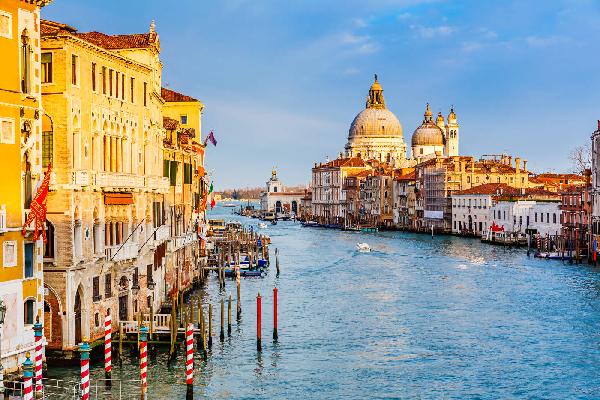
Northern Italy and Dolomites Grand Tour: A Comprehensive Travel Guide
This guide details a spectacular loop journey through the heart of Northern Italy, from the fashion capital of Milan to the breathtaking peaks of the Dolomites, a UNESCO World Heritage site, and the romantic waterways of Venice, before returning via the serene Lake Garda.
Route Overview
Destinations: Milan -> Bergamo -> Trento -> Braies Lake -> Val di Funes -> Ortisei -> Seiser Alm -> Seceda -> Tre Cime di Lavaredo -> Misurina Lake -> Venice -> Lake Garda -> Milan
Travel Style: This itinerary is best experienced by car for maximum flexibility, especially in the Dolomites. However, a combination of trains and regional buses is also feasible with careful planning.
Recommended Duration: 10-14 days to fully appreciate the diverse landscapes and cultures.
1. Milan (Milano)
Milan, Italy’s global fashion and design capital, is a dynamic metropolis where Renaissance art and contemporary innovation coexist.
Key Attractions
Milan Cathedral (Duomo di Milano): The city’s iconic centerpiece, this magnificent Gothic cathedral took nearly six centuries to complete. Visitors can admire the facade, explore the vast interior, and walk on the rooftop terraces for unparalleled views of the city.
Galleria Vittorio Emanuele II: An elegant 19th-century shopping arcade, often called “Milan’s drawing room.” It houses luxury boutiques and historic cafes.
La Scala Opera House (Teatro alla Scala): One of the world’s most famous opera houses. Consider attending a performance or visiting its museum.
Leonardo da Vinci’s “The Last Supper”: Housed in the refectory of the Convent of Santa Maria delle Grazie. Booking tickets months in advance is absolutely essential.
Sforza Castle (Castello Sforzesco): A vast fortress containing several museums, including Michelangelo’s final sculpture, the Rondanini Pietà.
Practical Information
Getting There: Milan is served by two main airports: Malpensa (MXP) and Linate (LIN). It is also a major national and international rail hub.
Getting Around: An extensive metro, tram, and bus network makes navigating the city easy. The Duomo is the central point.
Accommodation: Options range from luxury hotels near the Quadrilatero della Moda to mid-range and budget options near Central Station or Corso Buenos Aires.
Food Specialties: Risotto alla Milanese (saffron risotto), Cotoletta alla Milanese (breaded veal cutlet), and Panettone.
2. Bergamo
A short journey from Milan, Bergamo is a city of two parts: the modern Lower City (Città Bassa) and the enchanting, walled Upper City (Città Alta), perched on a hill.
Key Attractions
Città Alta: Accessible by a funicular railway, this medieval town is surrounded by Venetian walls. Stroll through Piazza Vecchia, the heart of the old town, and visit the adjacent Basilica of Santa Maria Maggiore.
Venetian Walls (Mura Venete): A UNESCO World Heritage site, these 16th-century walls offer a beautiful walking path with panoramic views.
Cappella Colleoni: A stunning Renaissance chapel with a richly decorated facade and interior, located next to the basilica.
Practical Information
Getting There: Regular trains from Milan Centrale station take about 50-60 minutes to Bergamo station (in the lower city). From there, a bus or funicular goes up to Città Alta.
Getting Around: Città Alta is best explored on foot. The funicular connects the upper and lower cities.
Food Specialties: Polenta e Osei (a dessert mimicking polenta with birds), Casoncelli (a stuffed pasta), and excellent local cheeses.
3. Trento
The capital of the Trentino region, Trento is a sophisticated city with a rich history, nestled in the Adige Valley and surrounded by mountains.
Key Attractions
Piazza Duomo: The beautiful main square dominated by the Trento Cathedral (Duomo) and featuring the elegant Neptune Fountain.
Buonconsiglio Castle (Castello del Buonconsiglio): The largest and most important monumental complex in the region. It was the former residence of the prince-bishops of Trento.
MUSE – Science Museum: A stunningly modern museum designed by architect Renzo Piano, offering interactive exhibits on science and nature.
Practical Information
Getting There: Trento is easily accessible by train from both Verona and Bolzano. It’s about a 1-hour drive from Lake Garda.
Role as a Base: Trento serves as an excellent gateway from the Italian lakes region into the Dolomites.
Food Specialties: Trentino cuisine is a mix of Italian and Tyrolean influences. Try Canederli (bread dumplings), Strudel, and local wines like Teroldego.
4. Braies Lake (Lago di Braies / Pragser Wildsee)
A jewel of the Dolomites, Braies Lake is famous for its stunning emerald-green waters set against the dramatic backdrop of the Croda del Becco peak.
Key Attractions
Lakeside Walk: An easy and picturesque 2-3 hour walk circumnavigates the lake.
Row Boats: Renting a traditional wooden rowboat is a quintessential Braies experience. Boats are available for rent at the northern end of the lake; arrive early to avoid long queues.
Photography: The best light for photography is in the morning, often with calm waters creating perfect reflections.
Practical Information
Getting There: Accessible by car, but parking is extremely limited and expensive during peak season (summer). A reservation system for private cars is often in place. Public buses run from nearby towns like Dobbiaco.
Accommodation: Options are limited directly at the lake (e.g., Hotel Lago di Braies). Most visitors stay in nearby valleys like Val Pusteria.
Tip: Visit very early in the morning (before 8 AM) or later in the afternoon to avoid the crowds.
5. Val di Funes (Villnöß)
A peaceful valley renowned for its idyllic alpine meadows, traditional farms, and the most photographed church in the Dolomites.
Key Attractions
Santa Maddalena Church: The small church set against the imposing Geisler/Odle peaks is an iconic Dolomites image.
St. John Church (Chiesetta di San Giovanni): Located in Ranui, this charming chapel also offers a classic photo opportunity.
Hiking:
The Journey Continues…
The following sections detail the rest of this incredible journey through the heart of the Dolomites and back to the Venetian lagoon.
6. Ortisei (St. Ulrich)
The main town in the Val Gardena valley, Ortisei is a charming, sophisticated hub for hiking and skiing, known for its woodcarving tradition and Ladin culture.
Key Attractions
Base for Cable Cars: Ortisei is the starting point for cable cars ascending to Alpe di Siusi (Seiser Alm) and Seceda.
Shopping and Dining: The town has a lovely pedestrian center with boutique shops selling local crafts (especially wood carvings), cafes, and excellent restaurants.
Museum Gherdëina: A museum showcasing the natural and cultural history of Val Gardena, including its famous woodcarving art.
Practical Information
Cable Cars:
To Seceda: Take the Furnes-Seceda cable car from Ortisei. A two-stage cable car brings you to the summit ridge.
To Alpe di Siusi: Take the Ortisei-Alpe di Siusi cable car from the town center.
Accommodation: A wide range of hotels, apartments, and B&Bs are available. It’s an excellent base for exploring the western Dolomites.
7. Seiser Alm (Alpe di Siusi)
The largest high-altitude alpine meadow in Europe, Seiser Alm is a vast, rolling plateau offering some of the most idyllic and gentle hiking in the Dolomites.
Key Attractions
Panoramic Views: Unobstructed views of the Sassolungo and Sciliar massifs.
Hiking and Biking: An extensive network of well-signposted, easy trails crisscrosses the plateau. E-bikes are also available for rent.
Photography: Sunrise and sunset over the meadows, with mountain backdrops, are spectacular.
Practical Information
Access: Private car traffic is heavily restricted during the day. The primary access is via cable car from Ortisei or Siusi. You can drive up very early in the morning or late in the evening if you are staying in one of the few hotels on the Alm itself.
Tickets: Purchase a round-trip cable car ticket. Hiking down is also an option.
8. Seceda
A dramatic mountain ridge famed for its jagged, knife-edge peaks that plunge steeply into the valley below. It offers some of the most iconic and thrilling scenery in all of the Dolomites.
Key Attractions
The Viewpoint: The view from the top of the cable car station overlooking the Odle/Geisler peaks is breathtaking.
Hiking: From the summit station, you can embark on various high-alpine hikes along the ridge. The initial section provides incredible photo opportunities.
Panoramic Restaurant: Enjoy a meal with a view at the restaurant at the top cable car station.
The Journey Continues: The Eastern Dolomites
9. Tre Cime di Lavaredo (Drei Zinnen)
The three iconic battlement-like peaks are arguably the most famous symbol of the Dolomites. The loop hike around them is a world-class trek.
The Tre Cime Loop Hike
Distance: Approximately 10 km (6.2 miles).
Duration: 3-4 hours for the full loop.
Difficulty: Easy to moderate, with minimal elevation gain on the loop itself.
Highlights: The hike offers constantly changing, spectacular views of the three peaks from all angles. Key stops include the Cappella degli Alpini, Rifugio Lavaredo, Rifugio Locatelli (for the classic frontal view), and Forcella Lavaredo.
Practical Information
Getting There: Drive to Rifugio Auronzo. The road is a toll road (approx. €30-€35 per car). Parking fills up very quickly; arriving before 8 AM or after 3 PM is advisable. Alternatively, take a shuttle bus from Misurina or Dobbiaco during peak season.
Tolls/Fees: Be prepared to pay the toll for the private road at the entrance near Misurina.