Japan Travel Guide: Osaka, Kyoto, Nara, Mount Fuji, and Tokyo
This comprehensive guide covers one of Japan’s most popular travel routes, the “Golden Route,” connecting the vibrant cities of Osaka and Tokyo with the cultural treasures of Kyoto and Nara, and the iconic beauty of Mount Fuji. This itinerary offers a perfect blend of modern energy, ancient history, and natural splendor.
Introduction to the Golden Route
The journey from Osaka to Tokyo via Kyoto, Nara, and the Fuji Five Lakes region is a classic introduction to Japan. It allows travelers to experience the country’s diverse character, from the street food culture and modernity of Osaka to the serene temples and geisha districts of Kyoto, the friendly deer and ancient history of Nara, the majestic symbol of Mount Fuji, and the ultimate metropolitan buzz of Tokyo. A well-planned trip along this route typically takes 10 to 14 days.
Essential Pre-Travel Information
Best Time to Visit
Spring (March-May): Ideal for pleasant weather and cherry blossom viewing (usually late March to early April). This is the most popular and crowded season.
Autumn (September-November): Offers comfortable temperatures and stunning fall foliage (typically late October to November). Another peak season.
Summer (June-August): Hot and humid, with a rainy season in June and early July. Festivals (matsuri) are common.
Winter (December-February): Cold and dry, with fewer crowds. Excellent for clear views of Mount Fuji and onsen (hot spring) visits.
Visa and Entry Requirements
Many nationalities, including citizens from the US, UK, Canada, Australia, and most EU countries, can enter Japan for tourism for up to 90 days without a visa. A passport valid for the entire duration of your stay is required. Always check the latest requirements with your local Japanese embassy or consulate before departure.
Budgeting and Money
The currency is the Japanese Yen (JPY). Credit cards are widely accepted in cities, but cash is still king in smaller shops, temples, and rural areas. It is advisable to carry some cash with you. ATMs at post offices and 7-Eleven stores are the most reliable for international cards.
Budget Accommodation: ¥3,000 – ¥8,000 per night (hostels, capsule hotels).
Mid-range Accommodation: ¥10,000 – ¥25,000 per night (business hotels, ryokan).
Meals: ¥1,000 for a casual lunch; ¥2,500 – ¥5,000 for a good dinner.
Transport: A 7-day Japan Rail Pass is approximately ¥50,000. Individual Shinkansen tickets are expensive.
Transportation: The Japan Rail (JR) Pass
The
Japan Rail Pass (JR Pass) is a cost-effective ticket for tourists traveling extensively on JR trains, including the Shinkansen (bullet train) on most routes between the cities on this itinerary. It must be purchased outside of Japan before your trip. Calculate your planned journeys to see if it offers value for money. For local travel, prepaid IC cards like Suica or Pasmo are incredibly convenient for trains, buses, and convenience store purchases.
Internet and Connectivity
Staying connected is easy. Options include:
Pocket Wi-Fi Device: Rented at the airport or delivered to your hotel; provides internet for multiple devices.
SIM Card: Data-only SIM cards available at airports for unlocked smartphones.
Cultural Etiquette Tips
Bowing: A common greeting. A slight nod of the head is sufficient for tourists.
Shoes: Remove your shoes when entering homes, ryokan, temples, and some traditional restaurants. Look for a genkan (entryway) and slippers are often provided.
Onsen (Hot Springs): Bathe naked after thoroughly washing and rinsing your body before entering the communal bath. Tattoos may be prohibited; check policies or use cover-up patches.
Eating and Drinking: It is polite to say “itadakimasu” before eating and “gochisosama deshita” after. Avoid eating while walking.
Trash: Public trash bins are rare. Carry a small bag for your trash and dispose of it at your accommodation or convenience stores.
Part 1: Osaka (2-3 Days)
Osaka is Japan’s bustling kitchen, known for its friendly people, vibrant nightlife, and incredible street food.
Getting There & Around
Kansai International Airport (KIX) is the main international gateway to the region. From KIX, you can take the Nankai Line or JR Haruka Express to central Osaka. The city has an excellent subway system; an IC card is the easiest way to pay.
Key Attractions
Dotonbori: The city’s iconic entertainment and food district. It’s a sensory overload of giant neon signs, including the famous Glico Running Man. Must-try foods include takoyaki (octopus balls) and okonomiyaki (savory pancake).
Osaka Castle: A magnificent and historically significant castle rebuilt in the 20th century. The museum inside details the life of Toyotomi Hideyoshi, and the views from the top are superb.
Shinsekai & Tsutenkaku Tower: A retro district with a nostalgic, early-20th-century atmosphere. It’s famous for kushikatsu (deep-fried skewers).
Kuromon Ichiba Market: A covered market known as “Osaka’s Kitchen,” offering fresh seafood, produce, and street food snacks.
Universal Studios Japan (USJ): A major theme park featuring The Wizarding World of Harry Potter, Super Nintendo World, and other exciting attractions.
Where to Stay
Namba/Umeda: These are the two main transport and commercial hubs. Namba is closer to Dotonbori’s nightlife, while Umeda is a major business and shopping district.
Part 2: Kyoto (3-4 Days)
The cultural heart of Japan, Kyoto is home to over 2,000 temples and shrines, traditional geisha districts, and exquisite gardens.
Getting There & Around
The quickest way from Osaka to Kyoto is via the JR Tokaido Line (about 30 minutes). Within Kyoto, the bus network is comprehensive and reaches areas not covered by the subway. A one-day bus pass is often a good value. Biking is also a pleasant way to explore the flatter parts of the city.
Key Attractions
Fushimi Inari Shrine: Famous for its thousands of vermilion torii gates that wind up a forested mountain. Go early in the morning or late in the afternoon to avoid the biggest crowds.
Arashiyama District: Home to the iconic Bamboo Grove. Also visit the Tenryu-ji Temple and the Togetsukyo Bridge. Don’t miss the Iwatayama Monkey Park.
Kinkaku-ji (Golden Pavilion):A Zen temple covered in gold leaf, stunningly reflected in a pond.
Gion & Higashiyama District: Stroll through the preserved streets of Higashiyama, leading up to Kiyomizu-dera Temple. Gion is Kyoto’s most famous geisha district; you may spot a geiko or maiko in the evening.
Kiyomizu-dera:A historic temple famous for its wooden stage jutting out over the hillside, offering panoramic views of Kyoto.
Nishiki Market:A long, narrow market street known as “Kyoto’s Kitchen,” with over 100 shops selling foodstuffs and local specialties.
Where to Stay
Downtown Kyoto (Kawaramachi): Central location with good transport, shopping, and dining.
Gion/Higashiyama: For a more traditional atmosphere, close to many temples.
Near Kyoto Station: Convenient for arrival/departure but less atmospheric.
Part 3: Nara (Day Trip from Osaka or Kyoto)
A short trip away lies Nara, Japan’s first permanent capital, renowned for its friendly deer and some of Japan’s oldest and most significant temples.
Getting There & Around
From Kyoto or Osaka, take a JR or Kintetsu train. The JR Yamatoji Line from Kyoto Station or the Kintetsu Nara Line from Namba, Osaka, are both convenient. The main sights are within walking distance of each other in Nara Park.
Key Attractions
Todai-ji Temple: Houses the Daibutsu (Great Buddha), a colossal bronze statue of Buddha housed in the world’s largest wooden building.
Nara Park:A vast public park where over 1,000 sacred sika deer roam freely. You can buy special “shika senbei” (deer crackers) to feed them.
Kasuga Taisha Shrine: Nara’s most celebrated shrine, known for its hundreds of bronze and stone lanterns lining the path.
Kofuku-ji Temple:A former powerful temple with a famous five-story pagoda that is a symbol of Nara.
Part 4: Mount Fuji and Fuji Five Lakes (1-2 Days)
The journey east from Kansai brings you to the iconic symbol of Japan. The Fuji Five Lakes (Fujigoko) region at the northern foot of the mountain offers the best views and access to outdoor activities.
Getting There & Around
The best way from Kyoto/Osaka is to take the Shinkansen to Mishima or Shin-Fuji station, then take a bus to the lakes. From Tokyo, direct buses run from Shinjuku Station to Kawaguchiko. Within the area, local buses and trains connect the lakes and attractions.
Key Attractions
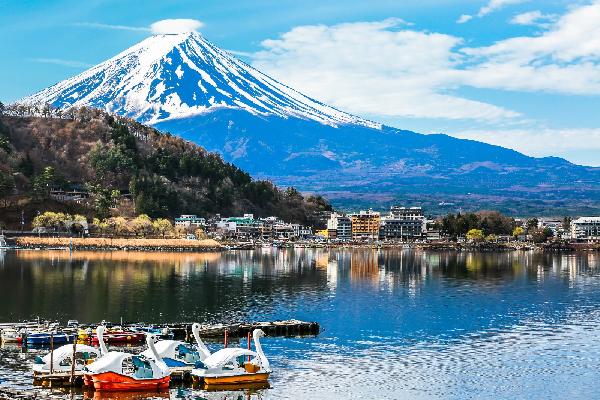
Lake Kawaguchiko:The most accessible and developed of the five lakes, with numerous hotels, onsens, and museums. It offers some of the best views of Mount Fuji.
Chureito Pagoda:A five-story pagoda in Arakurayama Sengen Park. The view of the pagoda with Mount Fuji in the background is one of Japan’s most photographed scenes, especially during cherry blossom season.
Fuji-Q Highland:A major amusement park famous for its record-breaking roller coasters and other thrilling rides.
Oshino Hakkai:A picturesque village with eight ponds fed by melted snow from Mount Fuji.
Climbing Mount Fuji:The official climbing season is very short, from early July to early September. It is a strenuous overnight hike to see the sunrise from the summit.
Where to Stay
Lake Kawaguchiko:The best base with a wide range of accommodation, including ryokan with onsen and views of the mountain.
Part 5: Tokyo (4-5 Days)
A sprawling metropolis that seamlessly blends ultramodern skyscrapers with historic temples and peaceful gardens. Tokyo is a city of distinct neighborhoods, each with its own unique character.
Getting There & Around
The most scenic way from Kawaguchiko is by direct bus to Tokyo Shinjuku Station. Alternatively, you can take a bus/train to a Shinkansen station like Mishima. Tokyo has one of the world’s most extensive and efficient subway and train networks. A JR Pass can be used on the JR Yamanote Line, which loops around central Tokyo. An IC card is essential for non-JR lines.
Key Attractions by Neighborhood
Shibuya & Harajuku
Shibuya Crossing:The world’s busiest pedestrian scramble.
Takeshita Street (Harajuku):The epicenter of youth culture and fashion, known for its quirky shops and crepe stands.
Meiji Jingu Shrine:A serene Shinto shrine dedicated to Emperor Meiji and Empress Shoken, located in a dense forest right next to Harajuku.
Yoyogi Park:A large public park popular for picnics and weekend gatherings.
Shinjuku
Tokyo Metropolitan Government Building:Offers free observatories with panoramic views of the city.
Shinjuku Gyoen National Garden:A beautiful park that is spectacular during cherry blossom season and autumn colors.
Omoide Yokocho & Golden Gai:A network of narrow alleys packed with tiny, atmospheric bars and eateries.
Asakusa & Ueno
Senso-ji Temple:Tokyo’s oldest temple, approached via the bustling Nakamise-dori shopping street.
Ueno Park:A large park housing several major museums, a zoo, and Shinobazu Pond.
Ameya Yokocho (Ameyoko):A vibrant market street running alongside the Ueno station tracks.
Other Notable Areas
Aktasuka & Ueno:The electronics and otaku (geek) culture capital of the world.
Ginza:A high-end shopping district with luxury boutiques and department stores.
Tokyo Skytree & Tokyo Solamachi:
A broadcasting tower with an observation deck and a large shopping complex at its base.