A Grand Tour of Switzerland: From Urban Buzz to Alpine Majesty
This comprehensive travel guide details a classic Swiss itinerary, connecting the vibrant cities of the north with the breathtaking landscapes of the heartland and the serene shores of Lake Geneva. Journey through financial hubs, medieval old towns, emerald lakes, towering peaks, and renowned rivieras.
Zurich: The Global Hub
Zurich, Switzerland’s largest city, is a global center for banking and finance, seamlessly blending a modern, cosmopolitan atmosphere with a well-preserved and charming old town. Situated at the northwestern tip of Lake Zurich, the city offers a vibrant cultural scene, high-end shopping, and a beautiful waterfront.
Key Attractions
Bahnhofstrasse: One of the world’s most exclusive shopping avenues, stretching from the main train station to Lake Zurich.
Old Town (Altstadt): A labyrinth of narrow, winding streets on both sides of the Limmat River, filled with historical buildings, guild houses, and charming squares like the Lindenhof.
Lake Zurich (Zürichsee): Perfect for boat trips, walks along the promenade, or swimming in designated areas during summer.
Fraumünster Church: Famous for its stained-glass windows created by Marc Chagall.
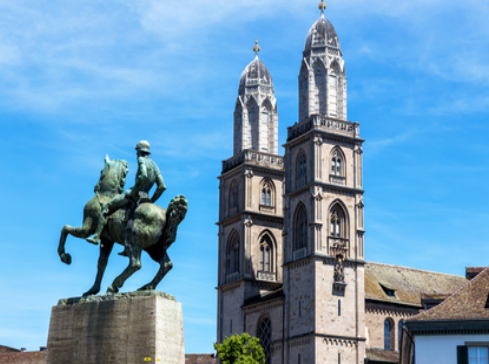
Grossmünster Church: The city’s iconic twin-towered cathedral, with a history dating back to Charlemagne’s time.
Swiss National Museum (Landesmuseum Zürich): Housed in a fairytale-like castle, it offers a deep dive into Swiss cultural history.
Practical Information for Zurich
Getting There: Zurich Airport (ZRH) is a major international hub with excellent train connections to the city center (10-15 minutes).
Getting Around: Zurich has an exceptional public transportation system (trams, buses, S-Bahn) covered by the Swiss Travel Pass. The city center is very walkable.
Food Specialties: Try “Zürcher Geschnetzeltes” (sliced veal in a creamy mushroom sauce) with Rösti.
Lucerne: The Gateway to Central Switzerland
A short train ride from Zurich brings you to Lucerne, a picture-postcard city nestled amid stunning mountain scenery on the shores of Lake Lucerne. Its well-preserved medieval architecture and iconic wooden bridges make it one of Switzerland’s most popular destinations.
Key Attractions
Chapel Bridge (Kapellbrücke): A 14th-century covered wooden footbridge, the oldest of its kind in Europe, adorned with interior paintings depicting Lucerne’s history.
Water Tower (Wasserturm): An octagonal tower that is part of the Chapel Bridge complex, formerly a lighthouse, prison, and treasury.
Old Town: Features cobblestone streets, colorful painted buildings, and historic squares like the Weinmarkt.
Lion Monument (Löwendenkmal): A poignant sculpture of a dying lion carved into a rock face, commemorating the Swiss Guards who died during the French Revolution.
Musegg Wall: A well-preserved section of the city’s medieval fortifications, with four towers open to the public for panoramic views.
Lake Lucerne (Vierwaldstättersee): Take a historic paddle-steamer or a modern cruise to explore the lake’s various arms and surrounding mountains like Pilatus and Rigi.
Practical Information for Lucerne
Getting There: Direct trains from Zurich Airport or Zurich HB take approximately 45-60 minutes.
Getting Around: The city center is compact and best explored on foot. Boats and local buses connect to outlying areas.
Excursion Tip: Consider a day trip to Mount Pilatus or Mount Rigi for spectacular alpine vistas.
Lake Brienz & Iseltwald: An Emerald Gem
Traveling south from Lucerne, you enter the Bernese Oberland region. Lake Brienz is the first of two famous lakes flanking Interlaken. Known for its stunning, almost unreal turquoise-green waters, it is surrounded by steep forests and waterfalls, offering a more tranquil and rustic atmosphere than its neighbor, Lake Thun.
Key Attractions
Boat Cruise: A cruise on Lake Brienz is essential. The vintage steamer or modern boats offer unparalleled views of the Giessbach Falls and the mountains.
Iseltwald: A picturesque fishing village on the southern shore. Its iconic peninsula with a small castle (Seeburg) is a famous photo spot. It gained additional popularity as a filming location for the Korean TV series “Crash Landing on You.”
Giessbach Falls: A magnificent waterfall that cascades in 14 stages directly into Lake Brienz. Reach it via a funicular from the Giessbach boat landing.
Brienz Village: Known as the “Village of Woodcarving,” it features a woodcarving school and a beautiful lakeside promenade.
Ballenberg Open-Air Museum: Located near Brienz, this vast museum showcases over 100 original Swiss buildings from all regions, preserving rural architecture and traditions.
Practical Information for Lake Brienz & Iseltwald
Getting There: Trains from Lucerne to Interlaken Ost run along parts of the lake. The main access is via Interlaken Ost, where boats and trains along the southern shore (Brienzersee Bahn) depart.
Getting Around: The best way to experience the lake is by boat. The Swiss Travel Pass covers the boats. Trains run along the southern shore.
Tip: Get off the boat at Iseltwald for a peaceful walk and coffee by the lake before continuing your journey.
Interlaken: The Adventure Capital
Situated between Lake Brienz and Lake Thun, Interlaken (meaning “between lakes”) is the primary gateway to the Jungfrau Region. It’s a bustling tourist center known for its wide range of adventure sports and its stunning backdrop of the Eiger, Mönch, and Jungfrau mountains.
Key Attractions
Höhematte: A vast central park in the heart of town offering unobstructed, breathtaking views of the Jungfrau massif.
Harder Kulm: Interlaken’s local mountain, accessible by a funicular. The viewing platform, “Two Lakes Bridge,” provides a stunning panorama over Interlaken, Lake Brienz, and Lake Thun.
Adventure Activities: Interlaken is famous for skydiving, paragliding, bungee jumping, canyon rafting, and canyoning.
Boat Trips: Use Interlaken as a base for boat trips on both Lake Thun and Lake Brienz. Interlaken West station serves Lake Thun, and Interlaken Ost serves Lake Brienz.
Practical Information for Interlaken
Getting There: Direct trains from Lucerne take about 1 hour 45 minutes. It’s a major transport hub for the region.
Getting Around:The town is walkable. The two main stations, Interlaken Ost (East) and Interlaken West, are connected by a short train ride or a pleasant 20-minute walk along the main street.
Accommodation:A wide range of options exists, from budget hostels to luxury hotels. It’s advisable to book well in advance, especially during peak season.