A Comprehensive Travel Guide: London to the Scottish Highlands and Back
This guide outlines a classic and immersive circuit around Great Britain, taking travelers from the bustling capital of England, through historic university towns and picturesque countryside, up into the dramatic landscapes of the Scottish Highlands and Islands, before returning south via vibrant northern cities. This journey offers a rich tapestry of urban energy, ancient history, and breathtaking natural beauty.
London: The Royal Capital
London, the sprawling capital of England and the United Kingdom, is a global hub for history, culture, and finance. A trip to Britain typically begins here, with its iconic skyline defined by landmarks like the Houses of Parliament and Big Ben.
Attractions: Must-see sights include the Tower of London, home to the Crown Jewels; the British Museum with its vast collection of world art and artifacts; Buckingham Palace for the Changing of the Guard ceremony; and the panoramic views from the London Eye. For a different perspective, a stroll across the Millennium Bridge towards St. Paul’s Cathedral is highly recommended.
Food & Drink: Beyond the classic fish and chips at a local pub, visitors should try a traditional Sunday roast, a pie and mash, or explore the diverse culinary scenes in Borough Market or Brick Lane. Afternoon tea at a prestigious hotel is a quintessential British experience.
Transportation: London’s Underground (“the Tube”) is the most efficient way to navigate the city. Visitors are advised to get an Oyster card or use contactless payment for the best fares. Black cabs are iconic but expensive.
Accommodation: Options range from luxury hotels in Mayfair and Kensington to boutique hotels in Covent Garden and budget-friendly hostels in zones 1 and 2. Staying near a Tube station is crucial for convenience.
Cultural Insight: London is a melting pot of cultures, and this is reflected in its neighborhoods, from the curry houses of Brick Lane to the vibrant energy of Notting Hill. The city’s royal heritage and modern, avant-garde art scene coexist seamlessly.
Windsor Castle
A short trip west of London lies Windsor Castle, an official residence of His Majesty The King and the oldest and largest inhabited castle in the world.
Attractions: The highlight is the State Apartments, furnished with treasures from the Royal Collection. St. George’s Chapel, a fine example of Gothic architecture, is the burial place of ten monarchs and the setting for the wedding of Prince Harry and Meghan Markle.
Transportation: Windsor is easily accessible by train from London Paddington (via Slough) or London Waterloo. The journey takes approximately 30-60 minutes.
Oxford: The City of Dreaming Spires
Famed for its prestigious university, Oxford is a city where history and academia are woven into the very fabric of its stunning architecture.
Attractions: Visitors can explore the individual colleges, such as Christ Church (a filming location for Harry Potter) and Magdalen College. The Bodleian Library is one of the oldest libraries in Europe, and climbing the University Church of St. Mary the Virgin offers superb views of the Radcliffe Camera.
Food & Drink: Enjoy a pint of ale in a historic pub like The Eagle and Child, once frequented by J.R.R. Tolkien and C.S. Lewis. Covered Market offers a variety of local food vendors.
Transportation: Regular trains run from London Paddington to Oxford in about an hour. The city center is compact and best explored on foot.
Bath & The Roman Baths
The UNESCO World Heritage city of Bath is renowned for its natural hot springs and magnificent Georgian architecture.
Attractions: The Roman Baths complex is a remarkably preserved site where visitors can walk around the Great Bath and explore the ancient temple. The stunning Bath Abbey and the graceful semicircular terraces of the Royal Crescent are also essential viewing. A visit to the Thermae Bath Spa allows you to bathe in the warm, mineral-rich waters yourself.
Food & Drink: Try a traditional Sally Lunn bun, a local specialty. The city also offers excellent fine dining experiences.
Transportation: Bath is well-connected by train from London Paddington (approx. 1.5 hours) and makes a logical stop before heading into the Cotswolds.
The Cotswolds
The Cotswolds is an Area of Outstanding Natural Beauty characterized by rolling hills, river valleys, and, most famously, picturesque villages built from distinctive honey-colored limestone.
Attractions: Key villages to visit include Bourton-on-the-Water, known as the “Venice of the Cotswolds” for its low bridges; Bibury, with its iconic Arlington Row cottages; and Stow-on-the-Wold, a historic market town. Walking is the best way to appreciate the serene countryside.
Accommodation: Stay in a charming bed and breakfast or a cozy pub with rooms for an authentic experience. Booking in advance is essential, especially during summer.
Transportation: Having a car provides the most flexibility for exploring the remote villages. However, local bus services do connect the main towns.
Manchester: The Industrial Powerhouse
A vibrant northern city with an industrial heart, Manchester has reinvented itself as a major cultural and sporting destination.
Attractions: Football fans can tour Old Trafford (Manchester United) or the Etihad Stadium (Manchester City). The Museum of Science and Industry (MSI) delves into the city’s pivotal role in the Industrial Revolution. The Northern Quarter is the hub for independent shops, cafes, and street art.
Food & Drink: Manchester’s food scene is diverse and thriving. It’s a great place to experience food halls like Mackie Mayor and sample international cuisines.
The Lake District & Windermere
A UNESCO World Heritage Site, the Lake District is England’s largest National Park, celebrated for its glacial lakes, rugged fell mountains, and literary associations with Wordsworth and Beatrix Potter.
Attractions: Lake Windermere is the largest natural lake in England. Visitors can take cruises on the lake, hike up nearby fells like Orrest Head for stunning views, or visit the World of Beatrix Potter attraction in Bowness-on-Windermere.
Accommodation: Options range from hotels in Windermere town to traditional inns and guesthouses in smaller villages like Ambleside and Grasmere.
Glasgow: Scotland’s Cultural Heart
Scotland’s largest city is known for its Victorian architecture, vibrant nightlife, and outstanding art collections. It offers a grittier, more contemporary contrast to Edinburgh.
Attractions: The Kelvingrove Art Gallery and Museum is a magnificent free attraction. The Glasgow School of Art, designed by Charles Rennie Mackintosh, is an architectural icon (though check accessibility due to past fires). The city center is a showcase of Victorian grandeur.
Food & Drink: Glasgow has a fantastic food scene, from trendy West End bistros to traditional curry houses. Don’t miss a “fish tea” (fish and chips with a pot of tea).
The Scottish Highlands & Inverness
Inverness is considered the capital of the Highlands. It’s a gateway city to some of Scotland’s most legendary and dramatic landscapes.
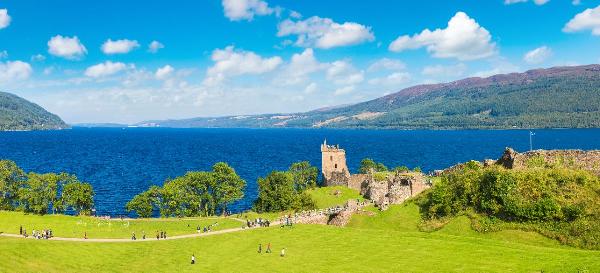
Attractions: Just a short drive from Inverness lies Loch Ness, famous for its mythical monster. Urquhart Castle on its shores provides a picturesque ruin to explore. Culloden Battlefield, where the Jacobite rising was crushed in 1746, is a somber and powerful site nearby.
Transportation: To explore the Highlands deeply, renting a car in Glasgow or Inverness is highly recommended. Alternatively, guided tours are widely available.
The Isle of Skye
The Isle of Skye is famed for its rugged landscapes, medieval castles, and picturesque fishing villages. It is a highlight of any trip to Scotland.
Attractions: Key sights include the Old Man of Storr, a dramatic pinnacle of rock; the Quiraing landslip for breathtaking walks; Fairy Pools, crystal-clear blue pools at the foot of the Cuillin mountains; and Dunvegan Castle, the ancestral home of the Clan MacLeod.
Accommodation: Book accommodation many months in advance, especially for summer. Options include hotels in Portree (the main town), B&Bs, and self-catering cottages.
Fort William & Ben Nevis
Situated at the head of Loch Linnhe, Fort William is known as the “Outdoor Capital of the UK.”
Attractions: The town is dominated by Ben Nevis, the highest mountain in the British Isles, attracting hikers and climbers. The nearby Glenfinnan Monument offers stunning views and is where the Jacobite rising began; it is also famous for the Glenfinnan Viaduct, which the Jacobite Steam Train (the “Hogwarts Express”) crosses.
Edinburgh: The Athenian North
Scotland’s majestic capital is a city of dramatic geology, with its Old and New Towns divided by Princes Street Gardens and overlooked by the iconic castle.
Attractions: Edinburgh Castle perched on an extinct volcano is unmissable. The Royal Mile leads down from the castle to the Palace of Holyroodhouse. Arthur’s Seat, an ancient volcano in Holyrood Park, provides a fantastic hike with panoramic city views. During August, the city comes alive with the Edinburgh Festival Fringe.
Food & Drink: Sample traditional Scottish fare like haggis, neeps, and tatties. Visit a traditional pub for a whisky tasting or try a local craft beer.
Accommodation: Stay in the Old Town for historic charm or the New Town for Georgian elegance. Prices soar during festival season.
York: The Medieval Gem
The historic walled city of York is a treasure trove of Roman, Viking, and medieval history.
Attractions: York Minster is one of the world’s most magnificent cathedrals. The Shambles, a narrow, overhanging medieval street, is said to be the inspiration for Diagon Alley. Walking the ancient city walls provides a unique perspective on the city. The Jorvik Viking Centre offers an immersive look into York’s Viking past.
Food & Drink: Enjoy afternoon tea in one of York’s many tea rooms. The city is also famous for its chocolate heritage.
The Return to London
The final leg of the journey involves a direct train from York to London King’s Cross, completing a remarkable circuit of two distinct nations within one united kingdom.
Practical Travel Tips for the Entire Journey
Best Time to Travel: Late spring (May-June) and early autumn (September) offer milder weather and fewer crowds. Summer (July-August) is peak season but coincides with major festivals.
Transportation Strategy: For this extensive itinerary, a combination of train travel (for inter-city links using a BritRail Pass) and renting a car (for exploring rural areas like the Cotswolds and Scottish Highlands) is ideal.
Currency: The Pound Sterling (£) is the currency throughout Great Britain.
Cultural Etiquette: Tipping (10-15%) is customary in restaurants and for taxi drivers if service is good. Queuing (standing in line) is taken very seriously.