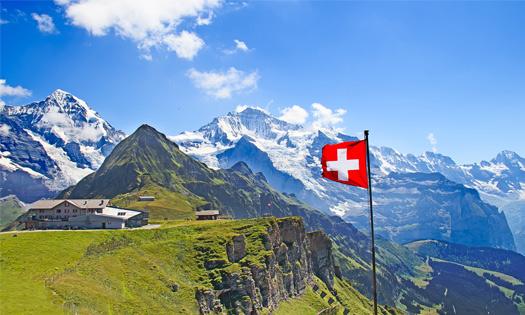
Grand Tour of Italy, France & Switzerland: Milan to Zurich
This comprehensive travel guide details a classic European journey through three distinct yet neighboring countries: Italy, France, and Switzerland. The route begins in the fashion capital of Milan, traces the stunning French Riviera, delves into the picturesque landscapes of Provence and the French Alps, and culminates in the breathtaking lakes and mountains of central Switzerland. This itinerary is designed for travelers seeking a blend of cosmopolitan energy, coastal charm, historic richness, and unparalleled natural beauty.
1. Milan, Italy: The Gateway of Style
Milan is a global capital of fashion and design, but it also holds profound historical and artistic treasures. It serves as a dynamic introduction to Italy, offering more than just a shopping paradise.
Main Attractions
Duomo di Milano (Milan Cathedral): An awe-inspiring Gothic masterpiece that took nearly six centuries to complete. Visitors can admire the intricate facade, explore the vast interior, and walk on the rooftop terraces for a close-up view of the spires and a panoramic vista of the city.
Galleria Vittorio Emanuele II: Located next to the Duomo, this 19th-century glass-vaulted arcade is one of the world’s oldest shopping malls. It’s home to luxury boutiques, historic cafes, and a mosaic floor where tradition says spinning on the bull’s testicles brings good luck.
Santa Maria delle Grazie: This church and Dominican convent is a UNESCO World Heritage site, housing one of the most famous artworks in history: Leonardo da Vinci’s “The Last Supper.” Booking tickets months in advance is essential.
Sforza Castle: A massive fortress that now hosts several of Milan’s museums and art collections, including Michelangelo’s final sculpture, the Rondanini Pietà.
Food & Drink
Risotto alla Milanese: A creamy saffron-infused risotto, often served with ossobuco (braised veal shanks).
Cotoletta alla Milanese: A tender, breaded, and fried veal cutlet.
Panettone: A sweet bread loaf originally from Milan, typically enjoyed during Christmas but available year-round.
Aperitivo: Embrace the local culture of pre-dinner drinks accompanied by a buffet of snacks in the Navigli district’s canalside bars.
Transportation & Accommodation
Milan has two main airports: Malpensa (MXP) and Linate (LIN). The city’s extensive Metro system is the most efficient way to get around. The Central Station (Stazione Centrale) is a major hub for high-speed trains to other Italian cities and international destinations like France. For accommodation, staying near the Duomo offers convenience and iconic views, while the Brera district provides a more bohemian and artistic atmosphere.
2. The French Riviera & Provence: Sun-Kissed Glamour
The journey continues into France, first along the glittering Côte d’Azur and then inland to the rustic heart of Provence.
Monaco
A sovereign city-state on the French Riviera, Monaco is synonymous with luxury, grand prix racing, and opulent casinos.
Attractions: Monte Carlo Casino, Prince’s Palace (changing of the guard occurs daily), Oceanographic Museum, and the Formula 1 Grand Prix circuit.
Travel Tip: Monaco is tiny and easily walkable, though there are public elevators to help navigate the steep hills.
Nice
Nice is the vibrant and bustling capital of the French Riviera, known for its stunning pebble beaches, vibrant old town, and beautiful promenade.
Attractions: Promenade des Anglais, Old Town (Vieux Nice) with its colorful markets and baroque churches, Castle Hill (Colline du Château) for panoramic views, and the Marc Chagall National Museum.
Food: Salade Niçoise, Socca (a chickpea pancake), Pissaladière (a type of onion tart), and Ratatouille.
Cannes
Famous for its international film festival, Cannes exudes glamour and sophistication.
Attractions: La Croisette (the iconic seaside boulevard), Palais des Festivals (walk the red carpet steps), and the Lerins Islands for a peaceful escape from the crowds.
Avignon
Moving inland to Provence, Avignon is a historic walled city that served as the seat of the Pope in the 14th century.
Attractions: Palais des Papes (Papal Palace) – one of the largest and most important medieval Gothic buildings in Europe, Pont d’Avignon (Pont Saint-Bénézet), and the charming old town streets.
Cultural Insight: The city is a UNESCO World Heritage site and hosts a famous annual theatre festival in July.
Transportation on the Riviera
The French Riviera is excellently connected by a regional train (TER) line that runs frequently along the coast, connecting Monaco, Nice, Cannes, and other towns. It is the most efficient and scenic way to travel between these cities.
3. The French Alps & Pre-Alps: From City to Lake
The route now heads north towards the Alps, passing through a dynamic city and two of France’s most beautiful towns.
Grenoble
Nestled at the foot of the mountains, Grenoble is a vibrant scientific and university city surrounded by three mountain ranges.
Attractions: Take the “Bubbles” cable car (Les Bulles) up to the Bastille fort for stunning alpine views. The city center is lively with cafes and museums.
Role in Itinerary: It serves as a practical stopover and a gateway to the Alps.
Annecy
Often called the “Venice of the Alps,” Annecy is breathtakingly beautiful with its crystal-clear lake, winding canals, and flower-decked old town.
Attractions: Annecy Old Town (Vieille Ville), Palais de l’Isle (a 12th-century prison on a canal), Lake Annecy for swimming, cycling, or boating, and the gardens of the Château d’Annecy.
Food: Local cheeses like Reblochon and Tomme de Savoie, Tartiflette (a potato, bacon, and cheese gratin), and Diots (Savoyard sausages).
Transportation from Provence to Alps
Traveling from Avignon to Grenoble typically requires a train change in Valence. From Grenoble to Annecy, buses or regional trains are available. Renting a car for this segment provides greater flexibility to explore the stunning alpine scenery and smaller villages.
4. Lake Geneva Region (Suisse Romande)
Crossing from France into Switzerland, the first stop is the Lake Geneva region, known for its international organizations, vineyards, and stunning lakeside settings.
Geneva
A global hub for diplomacy, Geneva is a sophisticated and cosmopolitan city situated at the southwestern tip of Lake Geneva.
Attractions: Jet d’Eau (one of the world’s tallest water fountains), the Flower Clock in the English Garden, St. Pierre Cathedral, and the headquarters of the United Nations and Red Cross.
Cultural Insight: The city has a strong international flair, with over 40% of its population being foreign nationals.
Lausanne
A vibrant city built on three hills overlooking the lake, Lausanne is home to the International Olympic Committee and has a dynamic university-town atmosphere.
Attractions: Olympic Museum, Gothic Lausanne Cathedral, and the charming Flon district. The nearby Lavaux Vineyard Terraces are a UNESCO World Heritage site perfect for a wine-tasting excursion.
Fribourg (Freiburg)
A picturesque bilingual town (French and German) straddling the Sarine River, offering a glimpse into medieval Switzerland.
Attractions: Well-preserved Old Town with Gothic Cathédrale St-Nicolas, funicular railway, and the unique Lower Town (Basse-Ville) with its fountains and fortifications.
5. The Heart of Swiss Alps: Lakes & Peaks
This section represents the quintessential Swiss experience, featuring dramatic mountain passes, pristine lakes, and charming villages.
Interlaken
Situated between Lake Thun and Lake Brienz, Interlaken is a major adventure hub and gateway to the Jungfrau region.
Attractions & Activities: It serves as a base for excursions to Jungfraujoch – Top of Europe, Schilthorn (Piz Gloria), and Trümmelbach Falls. Adventure sports like skydiving, paragliding, and hiking are extremely popular.
Accommodation Tip: For a more authentic experience, consider staying in one of the surrounding villages like Grindelwald or Lauterbrunnen.
Lucerne (Luzern)
With its stunning lake setting and well-preserved medieval architecture, Lucerne is often considered one of the world’s most beautiful cities.
Attractions: Chapel Bridge (Kapellbrücke) and Water Tower, Lion Monument (Löwendenkmal), Musegg Wall, and a boat trip on Lake Lucerne with views of Mount Pilatus and Rigi.
Food: Luzerner Kügelipastete (a vol-au-vent filled with meat in a cream sauce) is a local specialty.
6. Zurich: The Metropolitan Finale
The journey concludes in Zurich, Switzerland’s largest city—a global financial center that seamlessly blends urban life with natural beauty.
Attractions: Explore the upscale shopping on Bahnhofstrasse, wander through the charming alleyways of the Old Town (Altstadt) on both sides of the Limmat River, visit the Grossmünster and Fraumünster churches (the latter with stained-glass windows by Marc Chagall), and relax by Lake Zurich.
Cultural Insight: Despite its business-oriented reputation, Zurich has a vibrant arts scene, a lively nightlife in the Niederdorf district, and numerous outdoor activities readily accessible from the city center.
Departure: Zurich Airport (ZRH) is a major international hub, providing convenient connections worldwide.
Practical Travel Information
Transportation Overview
Trains: This itinerary is perfectly suited for train travel. The European rail network is efficient, comfortable, and scenic. Consider rail passes like Eurail (for non-Europeans) or Interrail (for Europeans) for flexibility and cost savings.
Cars: Renting a car offers freedom, especially in Provence and the Alps, but can be expensive and inconvenient in city centers like Milan, Nice, and Zurich due to traffic and parking costs and restrictions.
Internal Flights: Not recommended for this route due to the short distances and efficiency of ground transport.
Accommodation Strategy
Cities (Milan, Nice, Zurich): Central locations near main train stations or historic centers are ideal for walkability but book well in advance for better rates.
Riviera & Alpine Towns (Annecy, Interlaken): Opt for hotels or guesthouses with lake or mountain views. In popular spots like Annecy, book months ahead, especially during summer.
General Tip:A mix of hotel types—from boutique hotels in cities to family-run B&Bs in smaller towns—can enhance the travel experience.
Cuisine Crossroads
The culinary journey mirrors the geographic one. It starts with rich Italian pasta and risotto, moves to the olive oil and herb-driven dishes of Provence and fresh seafood of the Riviera, transitions into the hearty cheese-based cuisine of Savoie (France), and finishes with robust Swiss classics like Rösti (fried grated potatoes) Fondue, and Raclette.
Cultural Etiquette & Tips
Language: English is widely spoken in tourist areas, but learning basic greetings in Italian (“Buongiorno”), French (“Bonjour”), and German (“Guten Tag” for Zurich) is appreciated.
Tipping: In Italy and France, service charge is usually included; rounding up the bill or leaving small change is customary. In Switzerland, it is polite to round up to the nearest franc for good service.
Punctuality: Swiss public transport is famously punctual; be on time for trains and buses.
Siesta/Closings: Be aware that many smaller shops in Italy and parts of France may close for several hours in the afternoon.
Currency: Italy uses the Euro (€), France uses the Euro (€), Switzerland uses the Swiss Franc (CHF). Credit cards are widely accepted, but it’s always wise to have some local cash on hand.