Central European Grand Tour: A Travel Guide from Zurich to Berlin and Back
This comprehensive travel guide outlines a classic Central European circuit, connecting the financial hub of Zurich with the artistic soul of Prague, the imperial grandeur of Vienna and Budapest, and the dynamic history of Berlin. This journey through Germany, Switzerland, Austria, Hungary, and the Czech Republic offers a rich tapestry of landscapes, cultures, and histories, all connected by efficient transportation networks.
Introduction to the Itinerary
The route begins and ends in Zurich, Switzerland, creating a logical loop. The suggested sequence is: Zurich → Lucerne → Liechtenstein → Munich → German/Austrian Border Region (e.g., Berchtesgaden) → Vienna → Budapest → Prague → Dresden → Berlin → Frankfurt → Zurich. This guide provides a detailed breakdown for each destination, including key attractions, culinary delights, transport links, accommodation advice, and cultural context to enhance the travel experience.
1. Zurich, Switzerland
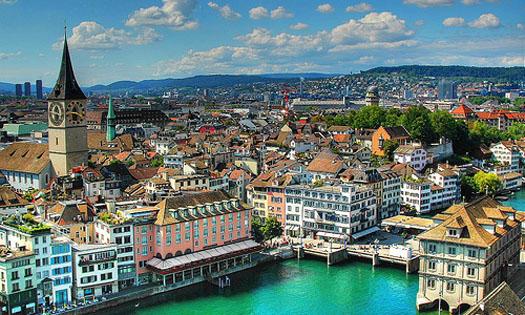
Zurich is a global financial center set on a beautiful lake, seamlessly blending urban sophistication with natural beauty. It serves as the perfect gateway to this Central European adventure.
Attractions
Old Town (Altstadt): Stroll through the narrow, winding lanes on both sides of the Limmat River, filled with medieval houses, guild halls, and historic churches.
Fraumünster: Famous for its stunning stained-glass windows created by Marc Chagall.
Grossmünster: This Romanesque-style Protestant church is a landmark of Zurich with twin towers offering panoramic city views.
Lake Zurich: Take a boat cruise, swim in the summer, or simply relax by the shores of this pristine lake surrounded by alpine foothills.
Bahnhofstrasse: One of the world’s most exclusive shopping avenues, leading from the main train station to the lake.
Food & Drink
Zurcher Geschnetzeltes: Thinly sliced veal in a creamy white wine and mushroom sauce, typically served with Rösti.
Fondue and Raclette: Indulge in these classic Swiss cheese dishes, perfect for cooler evenings.
Luxemburgerli: Delicate macarons from Confiserie Sprüngli, a Zurich institution.
Transportation
Zurich Airport (ZRH) is a major international hub. The city’s public transport system (ZVV) is exceptionally efficient, with trams, buses, and trains connecting all points. The Zurich Card offers unlimited travel and museum discounts.
Accommodation Tips
Accommodation in Zurich is among the most expensive in Europe. For budget travelers, consider hostels in the Langstrasse area or neighborhoods slightly outside the center like Oerlikon. For luxury, stay along Bahnhofstrasse or near the lake.
2. Lucerne, Switzerland
A short train ride from Zurich lies Lucerne, a picture-postcard city on Lake Lucerne with a stunning mountain backdrop.
Attractions
Chapel Bridge (Kapellbrücke): The iconic covered wooden footbridge from the 14th century, adorned with interior paintings.
Old Town: Explore the car-free squares with beautifully preserved frescoed buildings.
Lion Monument (Löwendenkmal): A poignant sculpture of a dying lion, carved into rock face, commemorating Swiss Guards who died during the French Revolution.
Mount Pilatus or Mount Rigi: Take a cogwheel railway or cable car to the summit for breathtaking alpine views. The “Golden Round Trip” to Pilatus is a classic excursion.
Food & Drink
Luzerner Chügelipastete: A vol-au-vent pastry filled with diced meat and mushrooms in a creamy sauce.
Alpine Cheese: Sample local cheeses from the surrounding region.
Transportation
Lucerne is easily reached from Zurich by direct train (approx. 50 minutes). The city center is very walkable, and boats depart from the pier next to the train station for lake cruises.
3. Liechtenstein
A tiny alpine principality nestled between Switzerland and Austria, Liechtenstein is a unique stop for passport stamp collectors and nature lovers.
Attractions
Vaduz: The capital city, dominated by Vaduz Castle, the residence of the Prince of Liechtenstein (not open to the public).
Kunstmuseum Liechtenstein: A modern art museum with an impressive collection.
The Postage Stamp Museum: Showcasing the country’s famous and valuable stamps.
Hiking Trails: Explore the well-marked trails in the Alps offering stunning vistas.
Transportation
The easiest way to visit is by bus from Sargans or Buchs in Switzerland (both on the main train line from Zurich to Chur). Liechtenstein uses the Swiss Franc and is part of the Swiss transport system.
4. Munich, Germany
The capital of Bavaria, Munich (München) is a city of contrasting identities: a high-tech hub with a deep-rooted traditional culture, world-class art, and Oktoberfest.
Attractions
Marienplatz: The central square, home to the New Town Hall and its glockenspiel show.
English Garden: One of the world’s largest urban parks, where surfers ride the river’s standing wave.
Hofbräuhaus: The world’s most famous beer hall, offering a quintessential Bavarian experience.
Nymphenburg Palace: A magnificent Baroque palace with sprawling gardens.
Dachau Concentration Camp Memorial Site: A sobering and essential visit located a short train ride from the city center.
Food & Drink
Weisswurst: Traditional white sausage, typically eaten before noon.
Schweinshaxe: Crispy roasted pork knuckle.
Pretzels (Brezn): Freshly baked, giant soft pretzels.
Beer: Munich is the birthplace of Oktoberfest. Try a Maß (one-liter mug) of Helles or Weissbier in a beer garden.
Transportation
Munich has an excellent U-Bahn (subway) and S-Bahn (suburban train) system. The main train station (Hauptbahof) is a major hub for travel across Germany and Europe. A direct train from Zurich takes approximately 4 hours.
5. German/Austrian Border Region (e.g., Berchtesgaden)
A detour south from Munich leads to the spectacular Bavarian and Austrian Alps. The Berchtesgaden area offers unparalleled natural beauty.
Attractions
Königssee: A crystal-clear emerald-green lake surrounded by steep mountain walls. Electric boats take visitors to St. Bartholomew’s Church.
Eagle’s Nest (Kehlsteinhaus): Hitler’s former mountain retreat, now a restaurant with dramatic panoramic views (accessible by special bus and elevator).
Salzburg, Austria: The birthplace of Mozart and the setting for “The Sound of Music” is just a short drive or train ride away across the border.
Transportation
The region is best accessed by car for flexibility, but trains and buses connect Munich to Berchtesgaden and Salzburg. The Bayern-Ticket offers unlimited regional train travel in Bavaria for a day at a low cost.
6. Vienna, Austria
The elegant capital of Austria, Vienna (Wien) is steeped in imperial history, classical music, and artistic masterpieces.
Attractions
Schönbrunn Palace:The former summer residence of the Habsburgs, with magnificent rooms, vast gardens, and the world’s oldest zoo.
St. Stephen’s Cathedral (Stephansdom):The Gothic centerpiece of Vienna’s old city.
Belvedere Palace:Home to an incredible art collection, including Gustav Klimt’s “The Kiss.”
The Hofburg:The former imperial palace complex, now housing museums, the Spanish Riding School, and the Austrian National Library.
Vienna State Opera:Attend a world-class opera or take a guided tour of this historic building.
Food & Drink
Wiener Schnitzel:A thin, breaded, and fried veal cutlet.
Sachertorte:A dense chocolate cake with a thin layer of apricot jam, invented at the Hotel Sacher.
Apfelstrudel:A classic apple strudel, best served warm with vanilla sauce.
Coffee House Culture:Spend an afternoon in a traditional Viennese coffee house like Café Central or Café Sacher, reading newspapers and lingering over a Melange coffee.
Transportation
The train from Munich to Vienna is direct and scenic (approx. 4 hours). Vienna has an extensive and easy-to-use U-Bahn system. The city center (Innere Stadt) is best explored on foot.
7. Budapest, Hungary
“The Pearl of the Danube,” Budapest is actually two cities—Buda and Pest—unified into one vibrant capital, famous for its thermal baths and dramatic architecture.
Attractions
Buda Castle & Castle Hill:A UNESCO World Heritage site with the Royal Palace, Matthias Church, and Fisherman’s Bastion offering stunning views over Pest.
Hungarian Parliament Building:A breathtaking example of Neo-Gothic architecture, best viewed from across the Danube.
Thermal Baths:Relax in the iconic Széchenyi Thermal Bath (in City Park) or the art nouveau Gellért Baths.
Chain Bridge:The iconic suspension bridge connecting Buda and Pest.
Ruin Pubs: