A Comprehensive Travel Guide: Cairo, Luxor, Hurghada, and Back
This guide details a classic Egyptian itinerary, taking travelers from the bustling capital of Cairo, south to the ancient wonders of Luxor, east to the Red Sea resorts of Hurghada, and finally back to Cairo. This route offers a perfect blend of Pharaonic history, cultural immersion, and seaside relaxation.
Introduction to the Itinerary
The Cairo-Luxor-Hurghada-Cairo loop is one of Egypt’s most popular tourist circuits. It is designed to showcase the pinnacle of ancient Egyptian civilization while providing opportunities for modern leisure and adventure. The journey covers significant geographical and cultural shifts—from the Nile Delta to the Upper Nile Valley, and across the Eastern Desert to the Red Sea coast. Travelers can expect a rich tapestry of experiences, from deciphering hieroglyphics in millennia-old temples to snorkeling in vibrant coral reefs.
Duration: A minimum of 10-12 days is recommended to fully appreciate this route without being rushed.
Best Time to Visit: October to April offers the most pleasant weather, with warm days and cooler evenings. The summer months (May-September) can be extremely hot, especially in Luxor.
Travel Style: This itinerary suits independent travelers, small groups, and those on packaged tours alike.
Part 1: Cairo – The Vibrant Capital
Cairo, known as “The City of a Thousand Minarets,” is a sprawling, chaotic, and captivating metropolis. It is the gateway to Egypt and home to some of the world’s most iconic historical sites.
Top Attractions in Cairo
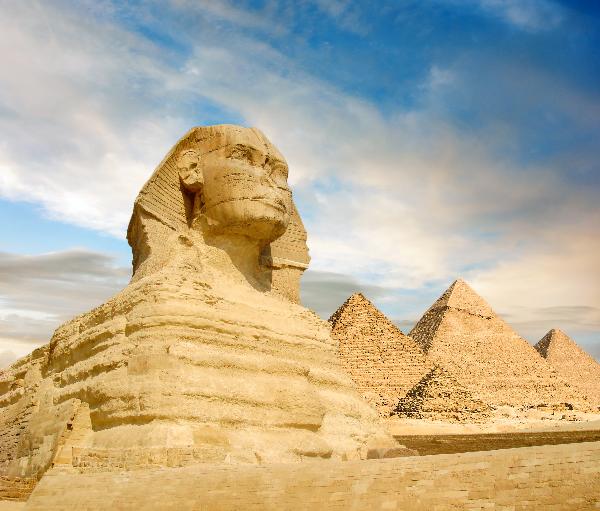
The Giza Plateau: Home to the last surviving wonder of the ancient world. The Great Pyramid of Khufu, the Pyramid of Khafre, the Pyramid of Menkaure, and the enigmatic Great Sphinx are unmissable. A sound and light show in the evening offers a dramatic perspective.
The Egyptian Museum: Located in Tahrir Square, this historic museum houses an unparalleled collection of Pharaonic antiquities, including the treasures from Tutankhamun’s tomb. Note: Many key artifacts are gradually being moved to the new Grand Egyptian Museum (GEM); check the status before visiting.
The Grand Egyptian Museum (GEM): As it opens fully, this state-of-the-art museum near Giza is set to become the world’s premier archaeological museum, showcasing the complete Tutankhamun collection and thousands of other artifacts.
Khan el-Khalili Bazaar: A labyrinthine market in Islamic Cairo where you can get lost among shops selling spices, perfumes, jewelry, lanterns, and souvenirs. It’s an experience for all the senses.
Islamic Cairo: Explore the historic district with its magnificent mosques, such as the Al-Azhar Mosque and the Mosque-Madrassa of Sultan Hassan. Climb the Bab Zuweila gate for a panoramic view.
Coptic Cairo: Visit the old Coptic Christian quarter, home to the Hanging Church, the Coptic Museum, and the Ben Ezra Synagogue, offering a glimpse into Egypt’s diverse religious history.
Cairo Food Recommendations
Cairo’s food scene is a delightful mix of street food staples and refined restaurant cuisine.
Koshari: Egypt’s national dish—a hearty mix of rice, lentils, chickpeas, pasta, and crispy onions, topped with a spicy tomato sauce. Try it at Abou Tarek, a famous restaurant dedicated to the dish.
Ful Medames & Ta’meya (Falafel): A classic breakfast of mashed fava beans and Egyptian falafel made from fava beans. Best enjoyed with fresh pita bread.
Grilled Meats: Sample kofta (spiced meatballs) and kebab from a local grill house.
Mahshi: Vegetables like vine leaves, peppers, and zucchinis stuffed with rice and herbs.
Sweet Treats: Don’t miss Umm Ali (a bread pudding dessert) and Konafa (a cheese pastry soaked in syrup).
Transportation in and out of Cairo
Arrival: Most international flights land at Cairo International Airport (CAI), located about 15-20 km northeast of the city center.
Getting Around: Traffic is notoriously heavy. The Cairo Metro is efficient for reaching some key areas. Ride-hailing apps like Uber and Careem are highly recommended for comfort and fixed fares. White taxis are also available but require negotiation.
To Luxor: The most common way is by overnight sleeper train (Egyptian National Railways), which saves time and accommodation costs. Alternatively, a one-hour domestic flight is quick and often affordable. Long-distance buses are available but less comfortable for most tourists.
Cairo Accommodation Tips
Accommodation ranges from budget hostels to ultra-luxury hotels.
Luxury: For unparalleled views of the pyramids, stay at the Mena House Hotel or the Marriott Mena House. Downtown luxury is available at the Nile Ritz-Carlton or the Four Seasons Hotel Cairo at Nile Plaza.
Mid-Range: Many excellent hotels in Zamalek (an island district on the Nile) offer a quieter, more residential feel, such as the Cairo Marriott Hotel & Omar Khayyam Casino.
Budget: Hostels and budget hotels are concentrated in Downtown Cairo around Talaat Harb Street, offering basic but convenient lodging.
Cairo Cultural Insights
Cairo is a city of contrasts. Dress modestly, especially when visiting religious sites (covering shoulders and knees). Haggling is expected in the bazaars but not in fixed-price shops. Be prepared for noise, traffic, and friendly but persistent vendors. A simple “La, shukran” (No, thank you) is usually sufficient.
Part 2: Luxor – The World’s Greatest Open-Air Museum
Luxor, ancient Thebes, was the capital of Egypt during the New Kingdom. The city is split by the Nile River, with the East Bank representing life and the living (temples) and the West Bank symbolizing death and the afterlife (tombs).
Top Attractions in Luxor
East Bank:
Karnak Temple: A vast complex built over 2,000 years. Its Hypostyle Hall, with 134 massive columns, is one of the most impressive sights in Egypt.
Luxor Temple: Beautifully located on the Nile Corniche, this temple is stunningly illuminated at night.
West Bank:
Valley of the Kings: The burial place of pharaohs like Tutankhamun, Ramses II, and Seti I. Entrance usually includes access to three tombs. Separate tickets are required for special tombs like Tutankhamun or Seti I.
Temple of Hatshepsut: A stunning mortuary temple built into the cliffs at Deir el-Bahari, dedicated to the famous female pharaoh.
Valley of the Queens: Home to the tombs of queens and princes, including the beautifully decorated tomb of Nefertari (requires a very expensive separate ticket).
Medinet Habu: The mortuary temple of Ramses III, with incredibly well-preserved reliefs.
The Colossi of Memnon: Two massive stone statues of Amenhotep III that mark the entrance to his former mortuary temple.
Other Experiences: A hot air balloon ride at dawn over the West Bank provides a breathtaking aerial view. A felucca ride on the Nile at sunset is a peaceful must-do.
Luxor Food Recommendations
Luxor offers a mix of traditional Egyptian fare and tourist-friendly restaurants.
Nile Perch: A local fish from the Nile, often grilled or fried.
Traditional Restaurants: Seek out smaller local eateries for authentic koshari and stuffed pigeon (a Luxor specialty).
Restaurants with a View: Many restaurants on the East Bank offer rooftop dining with spectacular views of Luxor Temple and the West Bank.
Transportation in and out of Luxor
From Cairo: Arrive via overnight sleeper train or a short domestic flight to Luxor International Airport (LXR).
Getting Around: The East Bank is walkable for major sites. To cross to the West Bank, take a public ferry or hire a private taxi for the day. Hiring a private car with a driver for a full-day West Bank tour is highly efficient and affordable.
To Hurghada: The journey is typically done by road. Tourist coaches, private transfers, or shared minibuses make the 4-5 hour drive across the Eastern Desert.
Luxor Accommodation Tips
East Bank: Most hotels are here, ranging from budget guesthouses to luxury chains like the Sofitel Winter Palace Hotel, which has historic charm and beautiful gardens.
West Bank: Offers a more rural and tranquil experience with charming boutique hotels and eco-lodges, perfect for travelers seeking peace away from the city bustle.
Luxor Cultural Insights
The climate in Luxor is generally hotter and drier than Cairo. Start your West Bank tours very early in the morning to avoid the midday heat. Be respectful at all tomb and temple sites—do not touch the carvings. The vendors at the sites can be very persistent; a firm but polite attitude is best.
Part 3: Hurghada – The Red Sea Riviera
After intense days of historical exploration, Hurghada provides a perfect contrast with its resort-style relaxation and world-class aquatic activities. Originally a small fishing village, it has grown into a major tourism hub along the Red Sea coast.
Top Attractions & Activities in Hurghada
Snorkeling and Diving: The Red Sea is famous for its crystal-clear waters and vibrant coral reefs teeming with marine life. Giftun Island is a popular spot for boat trips. Serious divers should explore sites like Abu Ramada Island and “The Aquarium.”
Desert Safaris: Take a quad biking or jeep safari into the Eastern Desert. These trips often include visits to Bedouin villages, camel rides, and traditional dinners under the stars.
Mahmya Island: A protected island within the Giftun Island National Park, known for its pristine beaches and excellent snorkeling right from the shore.
Hurghada Marina: A modern development with upscale restaurants, cafes, and yachts. A pleasant place for an evening stroll.
Aquarium & Water Parks: Good options for families with children.
Hurghada Food Recommendations
The dining scene is heavily influenced by its tourist population but still offers great seafood.
Seafood: The main culinary draw. Visit the local fish market to choose your fresh catch and have it cooked at a nearby restaurant. Grilled shrimp, calamari, and sea bass are local favorites.
International Cuisine: Due to its resort nature, Hurghada has a wide array of international restaurants serving Italian, Chinese, Mexican, and other global dishes.