An Egyptian Odyssey: A Travel Guide for Cairo, Hurghada, and Luxor
Egypt, the land of the Pharaohs, is a destination that ignites the imagination like few others. A journey through its heart offers an unparalleled blend of ancient history, vibrant culture, and stunning natural beauty. This guide focuses on the classic “Golden Triangle” route: starting in the sprawling, chaotic capital of Cairo, moving to the serene Red Sea resort of Hurghada, and culminating in the world’s greatest open-air museum, Luxor. This itinerary provides a perfect balance of urban exploration, relaxation, and profound historical discovery.
Part 1: Cairo – The Vibrant Capital
Cairo is a metropolis of contrasts, where ancient minarets share the skyline with modern high-rises, and the scent of spices and sheesha smoke fills the air. It can be overwhelming, but its energy is infectious, and its treasures are legendary.
Attractions in Cairo
The Giza Plateau: No visit to Egypt is complete without standing before the last surviving wonder of the ancient world. The Great Pyramid of Khufu is an awe-inspiring feat of engineering. Spend time here not just photographing the pyramids, but contemplating their scale. A short walk away is the Great Sphinx, the enigmatic limestone guardian with the body of a lion and the head of a pharaoh. Insider Tip: For a truly magical experience, consider a sound and light show in the evening, or hire a camel for a unique perspective from the desert behind the plateau.
The Egyptian Museum: Located in Tahrir Square, this iconic pink building is a treasure trove of antiquities. While it can feel a bit chaotic, it houses an unimaginable collection, including the solid gold mask and coffins of Tutankhamun. Roam the halls to see statues, mummies, jewelry, and everyday objects from millennia past. Note: Many of the most important artifacts are gradually being moved to the new Grand Egyptian Museum (GEM), so check its opening status before your trip.
Khan el-Khalili Bazaar: Dive into the heart of Old Cairo in this sprawling market that has been operating since the 14th century. It’s a labyrinth of narrow alleyways filled with shops selling everything from perfumes and spices to lanterns and gold. Even if you’re not shopping, the atmosphere is unforgettable. Insider Tip: Be prepared to haggle—it’s part of the culture. Start at about half the asking price and negotiate with a smile. Take a break at the famous El Fishawy café, a centuries-old sheesha cafe tucked away in the market.
Islamic Cairo: Explore the historic core of the city, a UNESCO World Heritage site. Visit the Citadel of Saladin, a massive medieval fortress offering panoramic views of Cairo. Within its walls lies the stunning Mosque of Muhammad Ali, also known as the Alabaster Mosque, with its grand domes and slender minarets. Wander through the nearby streets to see other magnificent mosques and madrasas.
Coptic Cairo: This ancient enclave predates Islamic Cairo and offers a glimpse into Egypt’s Christian heritage. Walk through the quiet, cobblestone streets to visit the Hanging Church (El-Muallaqa), so named because it was built atop a Roman fortress gatehouse. Also see the Church of St. Sergius and Bacchus, believed to be where the Holy Family took refuge.
Cairo Food & Drink
Egyptian cuisine is hearty, flavorful, and deeply satisfying.
Koshary: The ultimate Egyptian street food. A carb-lover’s dream of rice, lentils, chickpeas, pasta, and crispy fried onions, all topped with a spicy tomato-vinegar sauce. Try it at a dedicated koshary restaurant like Abu Tarek.
Ful Medames & Ta’meya: The classic Egyptian breakfast. Ful is a stew of fava beans, and Ta’meya is the Egyptian version of falafel, made with fava beans instead of chickpeas.
Grilled Meats: Kofta (spiced minced meat skewers) and Kebab (grilled meat chunks) are widely available and delicious.
Drinks: Sip on sweet mint tea or strong Egyptian coffee. For a refreshing local drink, try Karkadeh (hibiscus tea), served hot or cold.
Cairo Transportation & Tips
Getting Around: Traffic in Cairo is notoriously chaotic. The metro is efficient and cheap, especially for traveling along the north-south axis. Ride-hailing apps like Uber and Careem are highly recommended for comfort and fixed fares. Taxis are plentiful but agree on a price before getting in.
Cultural Sensitivity: Dress modestly, especially when visiting religious sites (covering shoulders and knees). While Cairo is relatively liberal, respecting local customs will make your experience smoother.
Safety: Be vigilant against pickpockets in crowded areas like markets. Beware of “helpful” locals who may guide you somewhere and then demand payment.
Part 2: Hurghada – The Red Sea Riviera
After the intensity of Cairo, Hurghada on the Red Sea coast offers a complete change of pace. What was once a small fishing village is now a major resort town, renowned for its crystal-clear waters, vibrant coral reefs, and year-round sunshine. It’s the perfect place to unwind and enjoy aquatic adventures.
Attractions & Activities in Hurghada
Snorkeling and Diving: This is Hurghada’s main draw. The Red Sea is home to some of the world’s most spectacular marine life. Even from the beach at many resorts, you can see colorful fish. For a better experience, take a boat trip to nearby reefs like Giftun Island, where you’ll find pristine coral gardens teeming with life. For certified divers, sites like El Fanadir and Abu Ramada offer stunning walls and abundant sea life.
Desert Safari: Venture into the Eastern Desert for a thrilling day trip. Options range from adrenaline-pumping quad biking to more traditional camel rides. Many tours include a visit to a Bedouin village, where you can learn about their culture and enjoy a traditional dinner under a blanket of stars.
Hurghada Marina: A modern, pedestrianized area filled with upscale shops, restaurants, and cafes. It’s a pleasant place for an evening stroll, to watch the luxurious yachts, and to enjoy a meal with a view.
Aquarium & Museum of Marine Biology: A good family-friendly option to learn about the diverse ecosystems of the Red Sea without getting wet.
Hurghada Food & Drink
As a resort town, Hurghada offers everything from all-inclusive hotel buffets to international fine dining. However, don’t miss the chance to eat fresh seafood.
Seafood: Visit the local fish market where you can choose your fish straight from the ice, then take it to a nearby restaurant to be grilled to perfection. Sea bass, red snapper, and calamari are popular choices.
Resort Dining: Most large resorts have multiple restaurants serving Egyptian, Italian, Asian, and other international cuisines.
Hurghada Transportation & Tips
Getting Around: Within Hurghada, taxis are the primary mode of transport. Always negotiate the fare beforehand. Many resorts are quite spread out, so walking might not always be practical.
Booking Tours: You can book diving trips, desert safaris, and boat trips through your hotel or one of the many tour operators in town. Compare prices and read reviews.
Relaxation Focus: Hurghada is your chance to recharge. Don’t feel pressured to fill every moment with activity. Enjoy the pool, the beach, and the slow pace.
Part 3: Luxor – The World’s Greatest Open-Air Museum
Luxor, ancient Thebes, is where your journey through Pharaonic history reaches its zenith. The city is divided by the Nile River: the East Bank, representing life and the living, and the West Bank, representing death and the afterlife. The concentration of monumental ruins here is simply staggering.
Attractions on the East Bank
Karnak Temple Complex: This is not merely a temple; it is a vast city of temples built over 2,000 years. Walking through the Great Hypostyle Hall, with its 134 massive columns towering above you, is a humbling experience. Don’t miss the sacred lake and the towering obelisks.
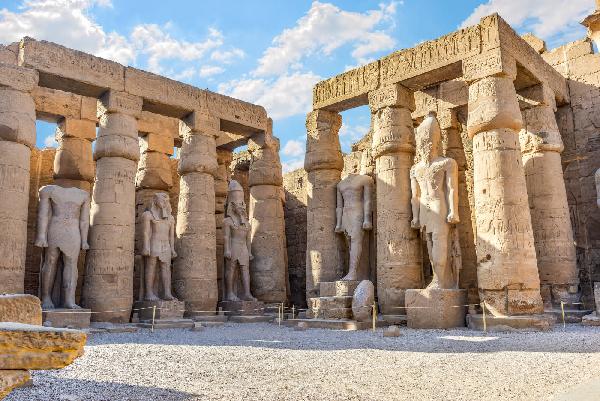
Luxor Temple: Located in the heart of the modern city, this temple is beautifully illuminated at night, making a sunset or evening visit highly recommended. It was connected to Karnak by a three-kilometer-long avenue of sphinxes, sections of which have been excavated and restored.
Attractions on the West Bank
Valley of the Kings: The burial place of Egypt’s New Kingdom pharaohs, including the famous Tutankhamun. Your ticket typically allows entry to three tombs (the tomb of Tutankhamun requires a separate ticket). The vivid hieroglyphics and paintings inside these deep rock-cut tombs are breathtaking. Insider Tip: Tombs are rotated for preservation, so check which ones are open. The tombs of Ramses VI and Seti I are often considered among the most spectacular.
Temple of Hatshepsut: A stunning mortuary temple built into the cliffs at Deir el-Bahari. Its unique multi-level design is dramatically different from other Egyptian temples. It commemorates the reign of one of Egypt’s few female pharaohs.
The Colossi of Memnon: Two massive stone statues of Pharaoh Amenhotep III that have stood guard over the Theban necropolis for 3,400 years. They are often the first stop on a West Bank tour.
The Valley of the Queens & Medinet Habu: If time allows, visit the Valley of the Queens, home to beautifully decorated tombs of royal wives and children. The Mortuary Temple of Ramses III at Medinet Habu is one of the largest and best-preserved temples on the West Bank.
Luxor Food & Drink
The food scene in Luxor is more low-key than Cairo but offers excellent local options.
Nile View Dining: Several restaurants along the Corniche offer beautiful views of the Nile. It’s a perfect setting for a relaxing dinner.
Sofra Restaurant & Café: A highly recommended local restaurant set in a restored 1930s house. It offers an authentic Egyptian menu in a charming atmosphere.
Sugar cane Juice: A sweet and refreshing local drink you’ll find at juice stalls everywhere.
Luxor Transportation & Tips
Getting Around: The East Bank sites are close together and can be reached by taxi or even by horse-drawn carriage (agree on a price first!). For the West Bank, it’s best to hire a taxi or join a tour for the day, as the sites are spread out.
The Ultimate Experience: A Nile Cruise: Many travelers choose to travel between Luxor and Aswan (or vice versa) via a multi-day Nile cruise. This is a fantastic way to see temples along the river while enjoying hotel-like comforts.
Avoiding Hassle: The West Bank can have a high concentration of persistent vendors and “guides.” A firm “La Shukran” (No thank you) is essential. Hiring an official, knowledgeable Egyptologist guide for your West Bank tour is worth every penny to enhance your understanding and manage logistics.
Hot Air Balloon Ride: For a truly unforgettable experience, take a sunrise hot air balloon flight over the West Bank. The view of the temples and tombs from above as the sun rises over the Nile Valley is spectacular.
Practical Travel Information for Your Journey
Getting Between Cities
Cairo to Hurghada: The most common way is by bus (companies like Go Bus and Blue Bus offer comfortable services; journey time ~6 hours). Domestic flights are also available and much quicker (~1 hour).
Hurghada to Luxor: The bus is again a good option (Go Bus, ~4-5 hours). The journey takes you through dramatic desert landscapes.
Cairo to Luxor: Overnight sleeper trains are a popular and convenient option, run by Watania Sleeping Trains. They save you a day of travel and a night’s accommodation. Domestic flights are fast and frequent.
General Travel Tips
Visa: Most nationalities require a visa, which can be obtained easily on arrival at Cairo International Airport and other major ports of entry for USD $25 (cash).
Currency: The Egyptian Pound (EGP). Carry plenty of small bills for tips (baksheesh), which are expected for many small services.
Best Time to Visit: October to April offers the most pleasant weather. The summer months (May-September) are extremely hot, especially in Luxor.
What to Pack: Lightweight clothing made from natural fibers, a hat, strong sunscreen, comfortable walking shoes, and modest attire for visiting mosques.
Staying Healthy: Drink only bottled water. Be cautious with street food; ensure it’s freshly cooked and hot.
A journey through Cairo, Hurghada, and Luxor is more than a vacation; it’s a passage through time. From the monumental pyramids to the silent majesty of royal tombs and the tranquil beauty of the Red Sea, this route captures the incredible diversity and enduring magic of Egypt.