A Comprehensive Travel Guide: Athens – Arachova – Delphi – Kalambaka – Meteora – Athens – Santorini
This itinerary offers a quintessential Greek experience, blending the profound historical legacy of ancient civilizations with the raw, breathtaking beauty of nature and the iconic, romantic allure of the Cycladic islands. Travelers journey from the bustling capital, through the heart of ancient Greece, to the “pillars of the sky” in Meteora, and finally to the world-famous sunsets of Santorini.
Introduction to the Journey
This route is designed for travelers seeking a deep and varied experience of Greece. It covers a remarkable span of the country’s offerings over approximately 7-10 days. The journey begins in Athens, the cradle of Western civilization, before heading north to the mountainous region of Central Greece. Here, one explores the ancient sanctuary of Delphi and the charming town of Arachova. The route then continues to the Thessaly plain to witness the awe-inspiring monastic complex of Meteora. After returning to Athens, the trip culminates on the volcanic island of Santorini, renowned for its dramatic caldera views, unique beaches, and vibrant nightlife. This guide provides practical information on attractions, cuisine, transportation, accommodation, and cultural nuances for each destination.
Part 1: Athens – The Historical Capital
Athens is a sprawling metropolis where ancient history and modern life coexist. The iconic Acropolis stands watch over the city, a constant reminder of its glorious past.
Main Attractions
The Acropolis and Parthenon: The supreme expression of ancient Greek architecture. The Parthenon, dedicated to the goddess Athena, is its centerpiece. It is advisable to purchase tickets online in advance to avoid long queues. The site offers unparalleled views of Athens.
Acropolis Museum: A state-of-the-art museum housing the treasures found on the Acropolis slope. Its glass floors reveal archaeological excavations below, and the top-floor Parthenon Gallery is arranged in alignment with the temple itself.
Ancient Agora: The heart of ancient Athenian public life, where Socrates philosophized and democracy was nurtured. The beautifully preserved Temple of Hephaestus and the reconstructed Stoa of Attalos are key highlights.
Plaka and Anafiotika: The old historical neighborhoods nestled on the slopes of the Acropolis. With narrow, labyrinthine streets, neoclassical architecture, and numerous shops and tavernas, Plaka is charmingly touristy. Anafiotika, hidden above Plaka, feels like a Cycladic island village with its whitewashed houses.
National Archaeological Museum: Home to the world’s richest collection of artifacts from Greek antiquity, spanning from prehistory to late antiquity. Must-sees include the Mask of Agamemnon and the Antikythera Mechanism.
Food & Drink
Souvlaki & Gyros: A must-try fast food. Pork or chicken grilled on a skewer (souvlaki) or a vertical rotisserie (gyros), typically served wrapped in a pita with tomato, onion, tzatziki, and fries.
Tavernas in Psiri or Plaka: For a classic meal, order a spread of meze (small dishes) like tzatziki, fava, dolmades (stuffed vine leaves), and grilled meats or fresh fish.
Coffee Culture: Greeks take their coffee seriously. Try a traditional Greek coffeefrappé (iced instant coffee foam).
Transportation
Athens International Airport (ATH) is well-connected globally. The city’s Metro system is efficient and clean; Line 3 (Blue Line) goes directly from the airport to the city center (Syntagma Square). The city is also very walkable, especially the central historical area. Taxis and ride-sharing apps are readily available.
Accommodation Tips
For first-time visitors, areas like Plaka, Syntagma, and Monastiraki are ideal for their proximity to major sites. Kolonaki offers a more upscale, chic experience, while Psiri provides a vibrant, nightlife-focused stay.
Cultural Insight
Athens is a city of contrasts. While it fiercely protects its ancient heritage, it is also a dynamic, sometimes gritty, modern European capital. Embrace the lively chaos of the central markets and the late-night dining culture, where dinners often start after 9 PM.
Part 2: Arachova – The Mountain Escape
A scenic two-hour drive northwest from Athens leads to Arachova, a picturesque town cascading down the slopes of Mount Parnassus. It is a popular winter destination due to its proximity to the Parnassos Ski Center but is charming year-round.
Main Attractions
The Clock Tower (Roloi): The iconic landmark of Arachova, offering panoramic views of the town and the valley below.
Main Street: Lined with shops selling local products like hand-woven carpets, flokati rugs, and Formaella cheese.
Parnassos Ski Center: One of Greece’s largest ski resorts, operating from December to April.
Food & Drink
Formaella Arachovas: A PDO cheese unique to Arachova, often served sizzling.
Grilled Meats: Enjoy hearty mountain cuisine in a traditional taverna.
Transportation
Arachova is most easily accessed by car or bus from Athens. KTEL buses depart from Liossion Bus Station in Athens to Delphi, and Arachova is a stop along the way.
Accommodation Tips
Arachova offers many boutique hotels and guesthouses with stunning mountain views. It serves as an excellent alternative base for visiting Delphi if you prefer a more vibrant town atmosphere.
Part 3: Delphi – The Navel of the World
Just a 15-minute drive from Arachova lies Delphi, one of the most important archaeological sites in Greece. In antiquity, it was considered the center of the world, where mortals would seek advice from the Oracle of Apollo.
Main Attractions
The Archaeological Site: Walk the Sacred Way past the Treasury of the Athenians to the Temple of Apollo, where the Pythia delivered her prophecies. Further up lies the well-preserved ancient theater and the stadium.
The Archaeological Museum of Delphi: Houses masterpieces found at the site, including the famous Charioteer of Delphi, a breathtaking bronze statue.
The Tholos at Athena Pronaia: Located a short walk from the main site, this circular building is one of the most photogenic spots in Delphi, set against a majestic mountain backdrop.
Food & Drink
The modern village of Delphi has several tavernas with terraces overlooking the Pleistos Valley and the Gulf of Corinth. The views are as much a part of the experience as the food.
Transportation
Buses from Athens stop directly at the Delphi archaeological site and village. Having a car provides flexibility to visit the Tholos and explore the surrounding area at your own pace.
Cultural Insight
Delphi was more than an oracle; it was a Panhellenic sanctuary. The maxims “Know Thyself” and “Nothing in Excess” inscribed here encapsulate the Greek philosophical spirit. The site’s dramatic location was believed to be chosen by the gods for its power and beauty.
Part 4: Kalambaka & Meteora – Between Earth and Sky
The journey from Delphi to Kalambaka is approximately 3-4 hours by car, traversing beautiful landscapes. Kalambaka is the gateway town to the monasteries of Meteora, a UNESCO World Heritage site where Byzantine monasteries perch precariously on immense natural rock pillars.
Main Attractions
The Meteora Monasteries: Of the original 24, six are active and open to the public. The most visited are:
Great Meteoron: The largest and highest monastery, functioning as a museum of monastic life.
Varlaam: The second largest, known for its frescoes and original rope-lift net.
Agia Triada (Holy Trinity): Famously featured in the James Bond film “For Your Eyes Only.”
Roussanou: Easily accessible and known for its beautiful garden and convent.
Sunrise or Sunset Viewpoints: The play of light on the rocks is a spectacular sight. Specific viewpoints are signposted along the main road connecting the monasteries.
Food & Drink
The region is known for its hearty cuisine. Try dishes like grilled trout from local rivers, pies filled with wild greens (
hortopita), and robust red wines.
Transportation
The most flexible way to explore Meteora is by car or by hiring a taxi for a half-day tour from Kalambaka. Local tour companies also offer bus and hiking tours. There is a direct train from Athens to Kalambaka, which is a scenic option.
Accommodation Tips
Stay in Kalambaka for convenience or in the nearby village of Kastraki for a quieter, more rustic atmosphere nestled right under the rocks. Many hotels offer spectacular views of the Meteora pillars.
Cultural Insight
The monasteries represent a unique example of Orthodox monasticism. The monks sought solitude and spiritual elevation by building these sanctuaries in seemingly inaccessible places from the 14th century onward. Visitors must dress modestly; skirts are provided for women at the entrance if needed, and men must wear long trousers.
The Return to Athens & Journey to Santorini
The drive from Kalambaka back to Athens takes about 4 hours. It is recommended to spend a final night in Athens before catching a flight or ferry to Santorini the next day.
By Air: Multiple daily flights connect Athens International Airport (ATH) with Santorini (JTR). The flight is short (approx. 45 minutes) and is often the most time-efficient option.
By Ferry: Ferries depart from Piraeus port in Athens. The journey can take between 5-8 hours depending on the vessel (high-speed or conventional). It is a scenic journey through the Aegean Sea but can be subject to weather-related delays.
Part 5: Santorini – The Volcanic Paradise
Santorini (Thira) is what remains after one of the largest volcanic eruptions in recorded history. Its dramatic caldera views, whitewashed villages, and stunning sunsets make it a world-famous destination.
Main Attractions
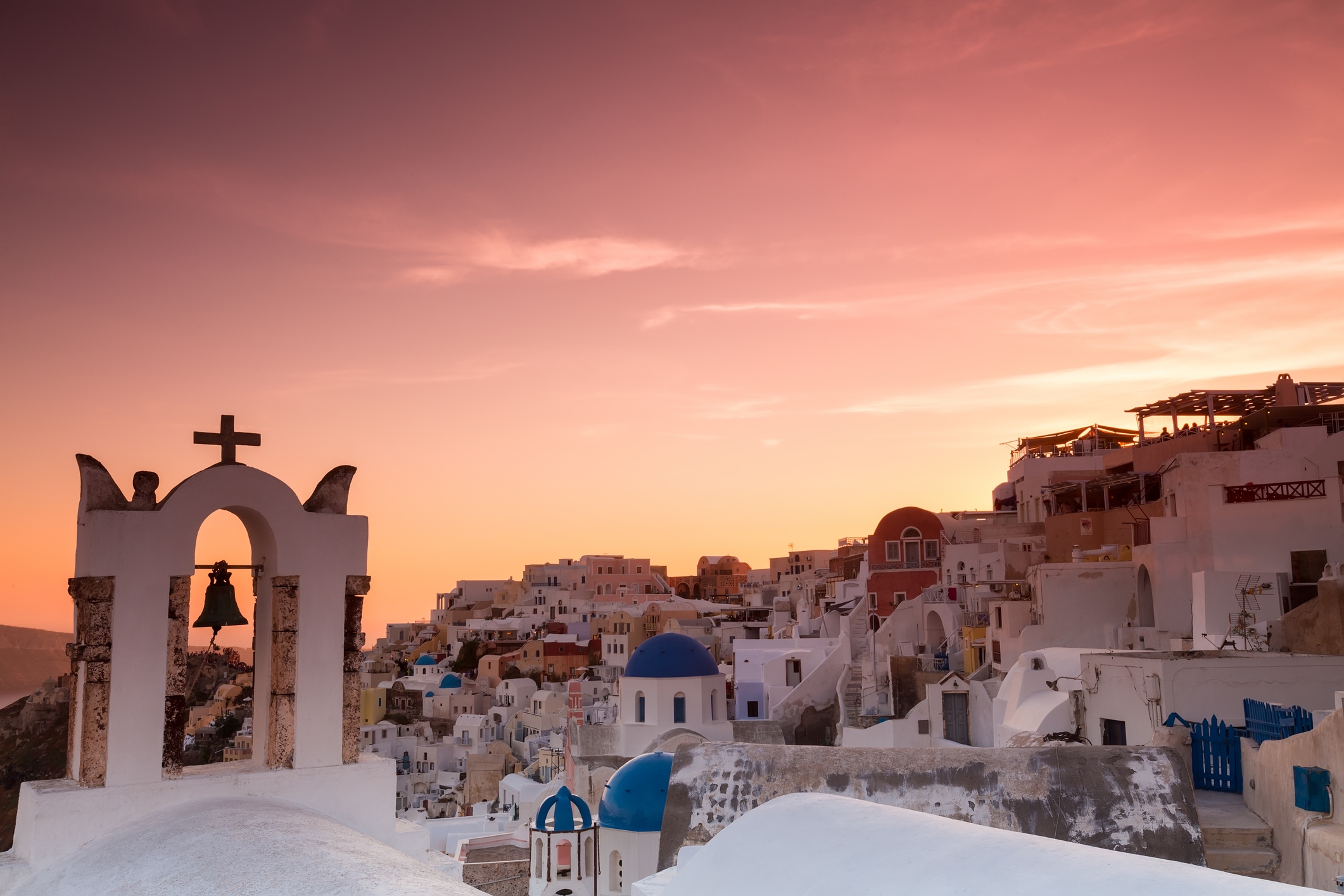
Oia: The iconic village on the northern tip of the island, famous for its blue-domed churches, cave houses, and arguably the most famous sunset in the world.
Fira: The bustling capital, perched on the edge of the caldera. It’s filled with shops, restaurants, cafes, and museums. A cable car connects Fira to the old port below.
Santorini Caldera & Volcanic Islands: Take a boat tour from the old port of Fira or Ammoudi Bay in Oia to visit the still-active volcano on Nea Kameni, swim in the hot springs at Palea Kameni, and visit Thirassia island.
Akrotiri Archaeological Site: A Minoan Bronze Age settlement buried by volcanic ash (like Pompeii), preserving a complex multi-story building. It’s housed in a covered structure for protection.
Unique Beaches:
Red Beach: Noted for its striking red volcanic cliffs.
Perissa & Kamari Beaches: Famous for their black volcanic sand.
Wine Tasting: Santorini’s unique viticulture produces exceptional Assyrtiko white wine. Visit a local winery for a tasting session with caldera views.
Food & Drink
Fava:A creamy yellow split pea puree, typically served with onions and olive oil. A Santorini specialty.
Tomatokeftedes: Delicious fried tomato balls made from Santorini’s unique cherry tomatoes.
Fresh Seafood: Enjoy grilled octopus, calamari, and fresh fish at a seaside taverna in Ammoudi Bay or Vlychada.
Santorini Salad:A variation of the Greek salad using local capers and barley rusks (dakos) instead of feta (though feta is often added).
Transportation
Santorini has an international airport (JTR) with seasonal direct flights from Europe and regular connections from Athens. Upon arrival, renting an ATV or a car is highly recommended to explore the island freely. The local bus network is extensive but can be crowded during peak season. Taxis are available but often in high demand.
Accommodation Tips
The quintessential Santorini experience is staying in a cave hotel with a caldera view in Oia, Fira, or Imerovigli. These villages offer breathtaking views but come with a higher price tag. For more budget-friendly options and access to beaches, consider Perissa, Kamari, or Pyrgos.
Cultural Insight
Santorini’s architecture—whitewashed cubic houses and blue domes—is not just for aesthetics; it is practical, designed to reflect sunlight and keep buildings cool. It’s also an island of romance and luxury; expect chic boutiques, fine dining, and honeymooners from around the globe. Be prepared for crowds, especially during sunset in Oia.
A Note on Travel Logistics
Best Time to Visit: Late spring (May-June) and early autumn (September-October) offer pleasant weather and fewer crowds. July and August are hot and very busy.
Trip Duration:A comfortable pace for this itinerary is 10 days: 2 nights Athens, 1 night Delphi/Arachova, 1 night Kalambaka/Meteora (2 nights if you want more time), 1 night Athens (for transit), 3-4 nights Santorini.
Touring Style:The mainland portion (Athens-Delphi-Meteora) is best done as a guided tour or with a rental car for maximum flexibility. Santorini requires its own mode of exploration once you arrive.