An Italian Grand Tour: From Milan’s Fashion to the Dolomites’ Peaks
This journey traverses the heart of northern Italy, moving from the cosmopolitan bustle of Milan to the serene, otherworldly landscapes of the Dolomites, a UNESCO World Heritage site, before concluding in the timeless aquatic city of Venice. It is a route designed for the traveler seeking a profound contrast between human ingenuity and raw, natural beauty.
Part 1: Milan – The Gateway of Style and Culture
Milan is Italy’s dynamic financial and fashion capital. Unlike the rustic charm of Tuscany or the ancient history of Rome, Milan pulses with a modern, forward-looking energy, yet it safeguards an incredible cultural heritage beneath its sleek surface.
Key Attractions
Il Duomo (Milan Cathedral): The city’s iconic centerpiece. This staggering example of Flamboyant Gothic architecture took nearly six centuries to complete. Ascend to the rooftop terraces for a breathtaking walk among spires and statues, with unparalleled views of the city and, on clear days, the distant Alps.
Galleria Vittorio Emanuele II: Adjacent to the Duomo, this magnificent 19th-century glass-vaulted arcade is one of the world’s oldest shopping malls. It’s a place to see and be seen, housing luxury boutiques and historic cafes.
Teatro alla Scala: One of the most famous opera houses in the world. Even if you don’t attend a performance, the attached museum offers a fascinating glimpse into the history of opera and ballet.
Santa Maria delle Grazie: This church and Dominican convent is a UNESCO site, home to Leonardo da Vinci’s The Last Supper. Booking tickets months in advance is absolutely essential due to high demand and strict visitor limits to preserve the fragile masterpiece.
Sforza Castle: A vast fortress that now houses several museums and art collections, including Michelangelo’s final sculpture, the Rondanini Pietà.
Culinary Delights
Milanese cuisine is rich and hearty. You must try:
Risotto alla Milanese (saffron risotto), Ossobuco (braised veal shanks), and Cotoletta alla Milanese (a breaded veal cutlet). For an aperitivo, join the locals for a pre-dinner drink and snacks in the Navigli district, known for its canals and vibrant nightlife.
Transportation & Local Insight
Milan has an efficient metro, tram, and bus system. The city is very walkable in its core. A great local tip is to visit the Duomo early in the morning to avoid the crowds and experience the square in a more serene state. For a unique perspective, explore the Navigli canals in the evening when the area comes alive with bars and restaurants.
Part 2: Bergamo – A Tale of Two Cities
A short train ride from Milan, Bergamo is a city of captivating contrasts, divided into two distinct parts: the modern lower city (Città Bassa) and the enchanting, walled upper city (Città Alta), perched on a hill.
Key Attractions
Città Alta: Reach it by a funicular ride for a step back in time. Enclosed by 16th-century Venetian walls, it’s a maze of medieval streets, cobbled piazzas, and historic buildings.
Piazza Vecchia: The heart of Città Alta, a beautiful square surrounded by palaces and the Contarini Fountain.
Basilica di Santa Maria Maggiore & Cappella Colleoni: Adjacent to the piazza, this complex features a stunning Romanesque church and a Renaissance chapel with exquisite frescoes.
Venetian Walls (Mura Venete): A UNESCO World Heritage site. A walk along these well-preserved fortifications offers splendid views over the plains.
Culinary Delights
Bergamo is known for its polenta dishes, often served with game or cheese. Try
Casoncelli alla Bergamasca (a stuffed pasta). The city is also famous for its gelato and the digestive liquor, Braulio, made in nearby Bormio.
Transportation & Local Insight
The train from Milan to Bergamo is direct and takes about an hour. From the station, a bus will take you to the funicular for Città Alta. Spend your time exploring the upper city on foot. For an authentic experience, have dinner in a small trattoria in Città Alta after the day-trippers have left.
Part 3: Trento – The Alpine City of the Council
As you travel north from Bergamo, the landscape begins to rise, leading you to Trento. This elegant city, nestled in a valley, is a blend of Italian and Austrian influences, with a rich history centered around the 16th-century Council of Trent.
Key Attractions
Piazza Duomo: A magnificent square dominated by the Cathedral of San Vigilio and the picturesque Neptune Fountain. It’s a perfect spot for people-watching.
Buonconsiglio Castle: The largest and most important monumental complex in the Trentino region. Its various buildings span from the 13th to the 18th centuries and house significant art collections.
MUSE – Science Museum: A stunning modern museum designed by Renzo Piano, offering interactive exhibits on science and nature, particularly focused on the Alps.
Culinary Delights
The cuisine here reflects its border location. Expect to find
canederli (bread dumplings), strangolapreti (spinach and bread gnocchi), and speck (smoked ham). Trento is also renowned for its sparkling wine, Trentodoc.
Transportation & Local Insight
Trento is a major transport hub with excellent train connections. It serves as a perfect gateway to the Dolomites. Use it as a base to acclimate before heading deeper into the mountains. The city has a relaxed, scholarly atmosphere—enjoy a slow coffee in Piazza Duomo and soak it in.
Part 4: The Heart of the Dolomites – A Natural Symphony
This section of the journey is best explored by car for maximum flexibility, allowing you to stop at countless viewpoints and trailheads. The landscape is dominated by pale dolomitic limestone cliffs, lush valleys, and serene lakes.
Braies Lake (Lago di Braies)
A jewel of an alpine lake, its emerald-green waters are framed by the imposing Seekofel (Croda del Becco) mountain. It’s incredibly popular, so arrive early or late to avoid the crowds. You can rent a rowboat for a peaceful trip on the lake or walk the easy 2-3 hour trail around its perimeter.
Val di Funes (Funes Valley)
A photographer’s paradise, this serene valley is famous for the view of the Santa Maddalena church set against the imposing Odle/Geisler Peaks. The hike to the viewpoint for this classic shot is well worth the effort. The valley offers numerous pastoral trails through meadows and forests.
Ortisei (St. Ulrich), Alpe di Siusi (Seiser Alm), & Seceda
Ortisei is the main village in Val Gardena, a hub for hiking and skiing, known for its woodcarving tradition.
The Alpe di Siusi is Europe’s largest high-altitude alpine meadow. Accessible by cable car from Ortisei or Siusi, it offers gentle walking paths with jaw-dropping 360-degree views of surrounding peaks like Sassolungo and Sassopiatto.
The Seceda ridgeline, accessed by cable car from Ortisei, presents one of the most dramatic sights in the Dolomites—a sheer wall of jagged peaks that look like a fleet of stone ships cresting a wave. The hiking here is more challenging but immensely rewarding.
Trekking Tip: The Great Dolomite Road
The drive from Bolzano to Cortina d’Ampezzo along the SS241 and SS48 is an attraction in itself. It winds through passes like the Pordoi Pass, where you can take a cable car up for even more spectacular views.
Part 5: The Eastern Dolomites – Peaks and Reflections
Trek delle Tre Cime (Three Peaks of Lavaredo Loop)
The iconic
Tre Cime di Lavaredo (Drei Zinnen) are perhaps the most recognizable symbol of the Dolomites. The loop hike around them is a must-do. It’s a moderately challenging 10km hike that offers constantly shifting perspectives of the three colossal peaks. Start early as the parking lot fills up quickly. The rifugios (mountain huts) along the way provide welcome refreshment.
Lake Misurina (Lago di Misurina)
Located near Tre Cime, this is the largest natural lake in the Cadore region. Its crystal-clear waters perfectly reflect the surrounding mountains, including Sorapiss. The air is famously pure, and the lake has a tranquil, almost magical atmosphere.
Culinary Delights in the Dolomites
Mountain hut (
rifugio) cuisine is a highlight. Enjoy hearty dishes like barley soup (orzotto), cheese and spinach dumplings (casunziei), and polenta with wild mushrooms. Don’t miss trying a slice of strudel di mele (apple strudel). For a unique experience, book a table for dinner at a rifugio to watch the sunset paint the mountains in vibrant alpenglow.
Transportation & Local Insight
A car is highly recommended for this part of the itinerary. While buses connect major towns, they are infrequent and make accessing trailheads difficult. The Südtirol Guest Pass, offered by many accommodations, provides free public transport in the region and can be a great help. Remember to purchase a parking disc (disco orario) from a tobacco shop for timed street parking in towns.
Part 6: Venice – The Serene Finale
The descent from the mountains to Venice is a dramatic transition from sublime nature to sublime human creation. Venice is a city that needs no introduction—a labyrinth of canals, bridges, and palaces that seems to float on water.
Key Attractions
Piazza San Marco (St. Mark’s Square): The city’s main square, home to St. Mark’s Basilica with its dazzling gold mosaics and the Campanile for panoramic views.
Palazzo Ducale (Doge’s Palace): A masterpiece of Gothic architecture, showcasing the power and wealth of the Venetian Republic. Walk across the Bridge of Sighs.
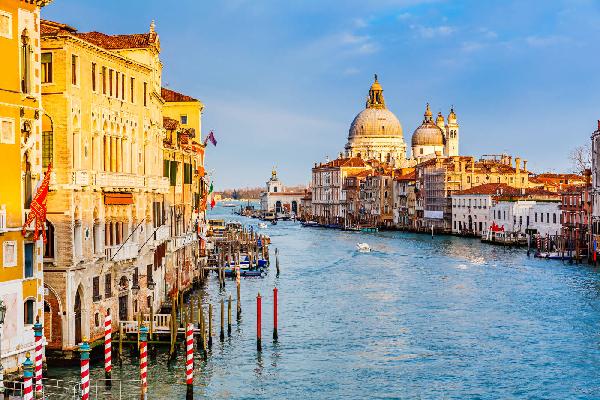
Grand Canal:The main waterway. Experience it by taking a vaporetto (water bus) from Piazzale Roma or Ferrovia (the train station) down to St. Mark’s.
The Art of Getting Lost:The true magic of Venice lies away from the main sights. Put away your map and wander through quiet alleys (calli) over tiny bridges, discovering hidden courtyards and local neighborhoods (sestieri) like Cannaregio and Dorsoduro.
The Islands:A vaporetto trip to Murano (famous for glassblowing) and Burano (a riot of colorful fishermen’s houses) is highly recommended.
Culinary Delights
Savor Venetian cicchetti (small snacks similar to tapas) at a traditional bacaro wine bar. Try fresh seafood like
Sarde in Saor (sweet and sour sardines) and Risi e Bisi (rice and peas). End your meal with a glass of Prosecco or a Venetian spritz.
Transportation & Local Insight
Cars are banned in Venice. Park at one of the large garages at Piazzale Roma or Tronchetto. The vaporetto is your primary mode of transport; consider a multi-day travel card. To experience Venice like a local, wake up early to see St. Mark’s Square without the crowds and have your main meal at lunchtime when many restaurants offer better value
menù del giorno. Be prepared for high water (acqua alta) between fall and spring; pack waterproof footwear just in case.
A Journey’s End
This grand tour from Milan to Venice via the Dolomites encapsulates the incredible diversity of Northern Italy—its world-class art, its dynamic cities, its profound mountain spirituality, and its timeless romance. It is a journey that engages all the senses and leaves an indelible mark on the soul.
A Final Practical Tip:The best time for this trip is from late May/early June to September. This period offers the most reliable weather for hiking in the Dolomites while all services (rifugios, cable cars) are operational. July and August are peak season; expect crowds in both the mountains and cities. Shoulder seasons (May/October) offer fewer crowds but come with a higher chance of mountain weather closures.