A Comprehensive Travel Guide to Mexico City: Basilica, Pyramids, and Tequila
Mexico City, one of the world’s largest and most vibrant metropolises, is a captivating blend of ancient history and contemporary culture. This guide focuses on a powerful itinerary that combines profound religious sites, awe-inspiring archaeological wonders, urban exploration, and a taste of Mexico’s most famous spirit. A journey to the Basilica of Our Lady of Guadalupe, the Pyramids of Tequihuacan, the heart of Mexico City, and the Tequila and Mezcal Museum offers an unparalleled deep dive into the soul of Mexico.
1. Basilica of Our Lady of Guadalupe
The Basilica of Our Lady of Guadalupe is not just a church; it is the spiritual heart of Mexico and one of the most important Catholic pilgrimage sites in the world. Located in the Villa de Guadalupe neighborhood of northern Mexico City, it commemorates the apparitions of the Virgin Mary to Saint Juan Diego in 1531. The complex is a testament to faith and a site of immense cultural significance.
Attraction Introduction
The basilica complex comprises several buildings across a large plaza:
The New Basilica: Completed in 1976, this modern circular building was constructed to replace the old basilica, which was sinking into the soft ground. Its iconic design allows the image of the Virgin of Guadalupe, housed above the altar, to be visible from any point inside. Moving walkways carry visitors beneath the image for a brief, reverent view.
The Old Basilica (Templo Expiatorio a Cristo Rey): Dating back to 1709, this beautiful Baroque structure now stands partly empty and stabilized. Its tilted floors and columns are a visible reminder of the subsidence issues that plagued it. It is open for visitors to appreciate its history and architecture.
The Chapel of the Little Well (Capilla del Pocito): A stunning Baroque chapel built over a well whose waters were believed to have healing properties. Its unique, tiled, circular structure is an architectural gem.
The Chapel of Indians (Capilla de Indios): A small chapel built on the site of Juan Diego’s humble home, it houses an early copy of the Virgin’s image.
The Tepeyac Hill: Climb the hill behind the basilicas to the Capilla del Cerrito, a chapel marking the exact spot where the Virgin appeared. The view of the entire complex and the city from here is spectacular.
Cultural Insights
The story of Guadalupe is deeply intertwined with Mexican identity. The Virgin, who appeared with the features of an indigenous woman and spoke Nahuatl, became a powerful symbol of unity between Spanish and indigenous cultures. Her image on Juan Diego’s tilma (cloak) is a national treasure. The feast day on
December 12th sees millions of pilgrims arrive from all over the country, many walking for days or even crawling on their knees as an act of devotion. The atmosphere is one of immense, palpable faith mixed with festive celebration.
Transportation Information
Metro: The most efficient way to reach the basilica is via Line 6 of the Metro. The station is “La Villa-Basílica,” which exits directly onto the plaza. This is cheap and avoids traffic.
Rideshare/Taxi: Uber and Didi are widely available and convenient, especially if traveling from a distant part of the city. Be aware that traffic in this area can be heavy.
Tour Bus: Many city sightseeing tours include the Basilica as a key stop, often combined with Teotihuacan.
Pro Tip: Visit on a weekday to avoid the massive weekend crowds. Dress modestly as it is a place of worship.
2. Teotihuacan: Pyramids of the Sun and Moon
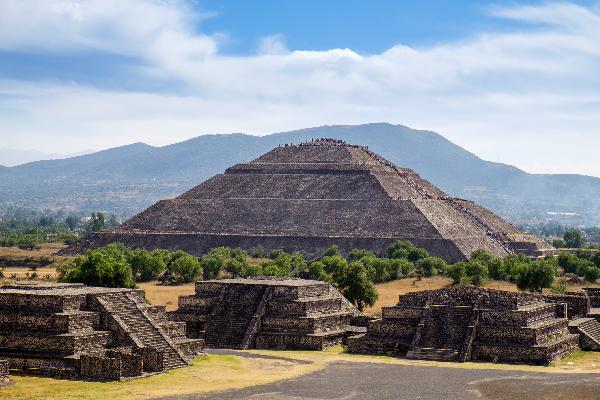
Located about 50 kilometers northeast of Mexico City, Teotihuacan is one of the most significant archaeological sites in the Americas. Known as “The City of the Gods,” it was a vast metropolis that peaked between 100 BCE and 650 CE, long before the Aztecs, who later found its ruins and gave it its current name. Walking down the massive Avenue of the Dead between the towering pyramids is a humbling and unforgettable experience.
Attraction Introduction
The site is enormous, so plan for at least 3-4 hours. Key structures include:
Pyramid of the Sun (Pirámide del Sol): The third-largest pyramid in the world. Climbing its 248 steep steps is a rite of passage for visitors. The effort is rewarded with a breathtaking panoramic view of the entire ancient city and the surrounding valley.
Pyramid of the Moon (Pirámide de la Luna): While smaller, its summit aligns perfectly with the Avenue of the Dead and offers what many consider an even more impressive view, looking south towards the Pyramid of the Sun. The climb is less strenuous.
Avenue of the Dead (Calzada de los Muertos): The main thoroughfare, nearly 2.5 kilometers long, connecting the major ceremonial structures.
Temple of the Feathered Serpent (Quetzalcóatl): Located in the Ciudadela (Citadel) complex, this pyramid is famous for its elaborate stone carvings of the feathered serpent deity, Quetzalcóatl, and a rain god, Tlaloc.
Museums: The on-site museum contains important artifacts found during excavations, providing crucial context to the site’s history and culture.
Food Recommendations
The area outside the gates is lined with restaurants. For a unique experience:
La Gruta: A famous restaurant set inside a natural cave near the archaeological zone. It offers traditional Mexican cuisine in a truly magical atmosphere. Reservations are recommended.
Local Eateries: For a more authentic and budget-friendly meal, try one of the smaller establishments in the nearby town of San Juan Teotihuacan. Look for barbacoa (steamed lamb or goat), mixiote (meat cooked in a maguey leaf), and pulque, a traditional fermented drink from the maguey plant.
Transportation Information
Public Bus: The most economical option. Buses depart from Mexico City’s Terminal del Norte (North Bus Terminal). Look for buses labeled “Autobuses Teotihuacan” at gate 8. The journey takes about an hour.
Organized Tour: A hassle-free option that includes transportation, guide services, and sometimes stops at other sites like the Basilica. Ideal for those short on time.
Private Car/Rideshare: Offers flexibility but requires paying for parking at the site. Be mindful of toll roads for a faster journey.
Pro Tip: Arrive as early as possible (the site opens at 9:00 AM) to avoid the heat and crowds. Wear sturdy shoes, a hat, sunscreen, and carry plenty of water. A hot-air balloon ride over Teotihuacan at sunrise is a spectacular, albeit more expensive, alternative experience.
3. Mexico City Urban Exploration
The historic center of Mexico City, built atop the ruins of the Aztec capital Tenochtitlan, is a UNESCO World Heritage site bursting with energy, history, and culture. A day here can feel like traveling through centuries.
Key Attractions
Zócalo (Plaza de la Constitución): One of the largest public squares in the world. It is surrounded by monumental buildings, including the Metropolitan Cathedral and the National Palace.
Metropolitan Cathedral (Catedral Metropolitana): A magnificent amalgamation of architectural styles built over three centuries. Its interior is vast and ornate. Note how it sinks unevenly into the soft lakebed beneath.
Templo Mayor Museum and Archaeological Site: Located right beside the Cathedral, this is the excavated heart of Tenochtitlan. The museum is world-class, displaying artifacts like the massive stone disk of Coyolxauhqui.
Palacio de Bellas Artes: A stunning art nouveau and art deco palace hosting major art exhibitions and performances by the famed Ballet Folklórico de México. Don’t miss the murals by Diego Rivera, Siqueiros, and others.
Alameda Central: A beautiful public park next to Bellas Artes, perfect for a stroll and people-watching.
Museo Nacional de Antropología: Located in Chapultepec Park, this is arguably one of the greatest museums in the world. It provides an essential overview of Mexico’s pre-Hispanic cultures, including a dedicated hall for Teotihuacan and the Aztecs, featuring the famous Sun Stone (Aztec Calendar).
Food Recommendations
Mexico City is a culinary paradise.
Restaurants: For upscale traditional cuisine, try Azul Histórico, set in a beautiful courtyard, or El Cardenal, known for its classic Mexican breakfasts and lunches.
Cafés & Cantinas: Visit the historic Café de Tacuba for a classic atmosphere and traditional dishes. Experience an old-school cantina like Salón Corona for beers and botanas (complimentary snacks).
Street Food: Do not leave without trying tacos al pastor from a street stall, tlacoyos (oval-shaped masa cakes) in the market, and churros from El Moro, a 24-hour institution.
Markets: Visit Mercado de San Juan for gourmet foods and exotic ingredients or Mercado de la Merced for an overwhelming and authentic market experience.
Accommodation Tips
The best areas to stay depend on your travel style:
Historic Center (Centro Histórico): Ideal for being steps away from major sights. Offers a range from budget hostels to luxury hotels like Gran Hotel Ciudad de México. Can be very noisy at night.
Polanco: An upscale, leafy neighborhood with luxury boutiques, world-class restaurants (including Pujol), and high-end hotels like Las Alcobas and The St. Regis. It is safe and quiet.
Roma & Condesa: Trendy, bohemian neighborhoods known for their art deco architecture, hip cafes, boutique shops, vibrant nightlife, and excellent dining options. Great for younger travelers or those seeking a lively atmosphere.
Coyoacán: A southern neighborhood with a quieter, village-like feel. Home to the Frida Kahlo Museum (Casa Azul) and Leon Trotsky’s House Museum. Perfect for a more relaxed stay.
4. Museo del Tequila y el Mezcal (MUTEM)
Situated in the heart of Chapultepec Park, right next to the Papalote Children’s Museum, MUTEM offers an engaging introduction to Mexico’s two most famous agave-based spirits. It’s a modern, interactive museum that celebrates this vital part of Mexican heritage.
Attraction Introduction
The museum provides a comprehensive overview:
The Agave Plant: Learn about the different types of agave (espadín, blue Weber, etc.) and their cultivation process, which can take up to a decade.
The Production Process: Discover the traditional and modern methods of producing tequila and mezcal through informative displays and videos. This includes harvesting (jima), cooking, fermentation, and distillation.
History and Culture: Explore the deep cultural roots of these drinks, from their pre-Hispanic uses as pulque to their evolution into globally recognized spirits.
Tasting Room: