A Comprehensive Travel Guide: Munich and the Dachau Concentration Camp Memorial Site
This guide provides a detailed itinerary for a profound day trip from the vibrant city of Munich to the sobering Dachau Concentration Camp Memorial Site. It is designed to help travelers navigate the logistical, emotional, and cultural aspects of this journey, offering practical advice for transportation, dining, and accommodation, while fostering a respectful and meaningful experience.
Introduction: A City of Contrasts
Munich (München), the capital of Bavaria, is world-renowned for its Oktoberfest, beautiful architecture, and thriving beer gardens. It is a city that celebrates life, art, and tradition. However, just a short distance away lies the town of Dachau, home to the first Nazi concentration camp, opened in 1933. A visit to the Dachau Memorial Site presents a stark and necessary contrast, offering a powerful reminder of a dark chapter in human history. Combining these two destinations in one trip allows for a deeper understanding of Germany’s complex past and its ongoing efforts towards remembrance and reconciliation.
Part 1: Exploring Munich
Key Attractions in Munich
Before embarking on the day trip to Dachau, travelers should spend time exploring Munich’s rich cultural tapestry.
Marienplatz: The central square and heart of the city since 1158. Visitors should time their arrival to see the Glockenspiel in the Neues Rathaus (New Town Hall) perform its charming dance at 11 am and 12 pm (also 5 pm from March to October).
Frauenkirche (Cathedral of Our Blessed Lady): The iconic twin-domed church is a symbol of Munich. Its simple, imposing interior and the legendary “devil’s footprint” near the entrance are key highlights.
English Garden (Englischer Garten): One of the world’s largest urban parks, larger than New York’s Central Park. Visitors can relax by the Eisbach river, watch surfers ride the standing wave, or enjoy a beer at the Chinese Tower beer garden.
Hofbräuhaus: The world’s most famous beer hall, founded in 1589. While often crowded with tourists, it offers an authentic Bavarian atmosphere, traditional live music, and hearty food.
Museums and Art: Art enthusiasts should not miss the Alte Pinakothek (Old Masters), the Pinakothek der Moderne (modern art), and the Deutsches Museum, one of the world’s largest museums of science and technology.
Nymphenburg Palace: A magnificent Baroque palace with stunning gardens, once the summer residence of the Bavarian monarchs.
Food and Drink in Munich
Bavarian cuisine is hearty and flavorful. Key dishes to try include:
Weißwurst: A traditional white veal sausage, typically eaten before noon. Served with sweet mustard, a pretzel, and a Weissbier (wheat beer).
Schweinshaxe: A crispy roasted pork knuckle, often served with potato dumplings and sauerkraut.
Obatzda: A flavorful cheese spread made from camembert, butter, and paprika, perfect with a pretzel.
Leberkäs: A Bavarian meatloaf, often served in a roll as a snack (Leberkässemmel).
Beer Gardens: For an authentic experience, visit beer gardens like Augustiner-Keller, Hirschgarten, or Seehaus im Englischen Garten. It is customary to bring your own food to some tables (marked with “Brotzeit”), but drinks must be purchased from the establishment.
Accommodation Tips for Munich
Munich offers a wide range of accommodation, from luxury hotels to budget hostels.
Altstadt (Old Town): Ideal for first-time visitors who want to be within walking distance of major sights like Marienplatz and the Frauenkirche. This area is bustling but can be noisy and expensive.
Ludwigsvorstadt-Isarvorstadt: The area around the Hauptbahnhof (main train station) is convenient for transport and offers more budget-friendly options. It is also home to the Oktoberfest grounds (Theresienwiese).
Schwabing and Maxvorstadt: These districts are popular with students and artists, boasting a vibrant cafe culture, numerous galleries, and proximity to the university and English Garden. They offer a more local feel.
Neuhausen-Nymphenburg: A quieter, more residential area near Nymphenburg Palace, well-connected by public transport.
Part 2: The Day Trip to Dachau Concentration Camp Memorial Site
Introduction to the Memorial Site
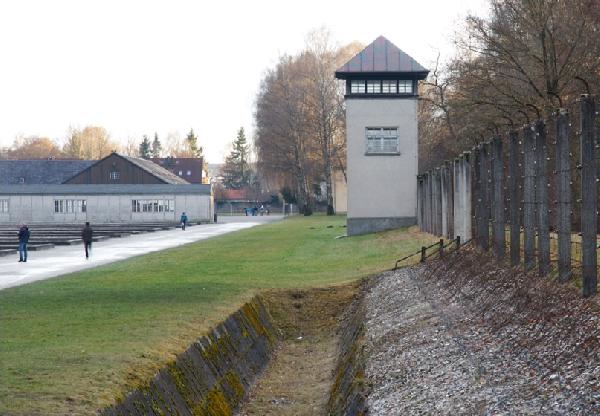
The Dachau Concentration Camp was the first of the Nazi camps, opening on March 22, 1933, shortly after Adolf Hitler came to power. Initially intended for political prisoners, it became a model for all subsequent concentration camps and a school of violence for SS guards. Over its 12 years of operation, it held over 200,000 prisoners from across Europe, with at least 41,500 documented deaths. The memorial site was established in 1965 on the initiative of surviving prisoners. It serves as a place of remembrance, education, and mourning.
Transportation from Munich to Dachau
Reaching the memorial site is straightforward using Munich’s excellent public transport system.
Step 1: From Munich Hauptbahnhof (Main Station), take the S-Bahn (suburban train) line S2 towards Petershausen or Dachau. The journey to Dachau station takes approximately 25 minutes.
Step 2: At Dachau station, exit and look for the bus bay. Board Bus 726 (Richtung: Saubachsiedlung) marked “KZ-Gedenkstätte.” The bus ride takes about 10 minutes.
Tickets: A single MVV (Munich Transport and Tariff Association) zone M-5 ticket is required for the entire journey (S-Bahn + Bus). A Day Ticket (Single or Group) for the inner zone is also valid and offers better value if you plan other travel in Munich that day. Tickets can be purchased from machines at any S-Bahn or U-Bahn station. Validate your ticket before boarding.
Guided Tours: Many companies offer guided tours from Munich that include transportation and a licensed guide. This can provide valuable historical context and handle all logistics.
Visiting the Dachau Memorial Site: A Detailed Guide
Practical Information
Opening Hours: Daily from 9:00 am to 5:00 pm. The site is closed on December 24th.
Admission: Entry to the memorial site is free. A small fee is charged for the audio guide and printed materials.
Audio Guide: Highly recommended. It is available in several languages and provides a comprehensive, self-paced tour with survivor testimonies.
Duration: A meaningful visit requires a minimum of 3-4 hours. Many visitors spend 5-6 hours or more.
Behavior: This is a memorial site. Visitors are expected to behave respectfully. Maintain a quiet and solemn demeanor. Photography is permitted for private use but is prohibited in the museum’s cinema room and is considered disrespectful in religious memorials.
The Main Areas of the Memorial Site
1. The Jourhouse (Main Entrance)
The visit begins at the main gate, which bears the infamous, cynical slogan “Arbeit Macht Frei” (“Work Sets You Free”). This was the entrance through which prisoners arrived and were processed.
2. The Roll Call Square (Appellplatz)
This vast square was where prisoners were forced to assemble for hours on end for morning and evening roll calls, regardless of weather conditions. It was also a site of brutal punishments and executions.
3. The Maintenance Building (Jourhaus) and Museum Exhibition
The former maintenance building now houses the main museum exhibition, “The Path of the Dachau Prisoners.” It meticulously documents the camp’s history from its establishment to its liberation by U.S. troops on April 29, 1945. The exhibition uses photographs, documents, and artifacts to tell the stories of the prisoners and the brutal system they endured.
4. The Barracks
Only one barrack has been reconstructed to show the living conditions prisoners faced. Originally designed for 200 people, each barrack later held over 2,000 prisoners. The foundations of all other barracks are marked, giving a sense of the camp’s immense scale.
5. The Bunker
The camp prison within the camp was used for torture, solitary confinement, and executions. Prominent prisoners, including political and religious figures, were held here.
6. The Religious Memorials
Located at the rear of the camp are several moving religious memorials built after the war:
Mortal Agony of Christ Chapel (Catholic): Also known as the “Death Agony of Christ,” it was consecrated in 1960.
Protestant Church of Reconciliation: Built in 1967, its design is intentionally stark and somber.
Jewish Memorial: A low-lying building that visitors descend into, symbolizing the descent into the camps. Its powerful design leads to a sculpture resembling a menorah.
7. The Crematorium Area
This is one of the most emotionally challenging parts of the visit. It consists of two buildings:
The Old Crematorium: Built in 1940.
The New Crematorium / Barrack X: Built in 1942-43, this building contained gas chambers. While historical evidence suggests they were not used for systematic mass murder at Dachau as in extermination camps, they were tested and were part of the Nazis’ machinery of terror. Seeing the ovens is a harrowing experience that brings the scale of death into sharp focus.
Coping with the Emotional Impact
A visit to Dachau is emotionally draining. It is normal to feel sadness, anger, or numbness.
Take Breaks: Step away from the exhibitions if you feel overwhelmed. The outdoor areas provide space for reflection.
Process Afterwards: Allow time after your visit to decompress. Do not schedule another major activity. A quiet walk or a coffee in a calm setting can be helpful.
Talk About It: Discussing your feelings and impressions with a travel companion can be beneficial.
Focus on Resilience: Remember that the site exists not only to commemorate death but also to honor the resilience and dignity of the victims and survivors.
Part 3: Returning to Munich – Cultural Insights and Reflection
The German Culture of Remembrance (Erinnerungskultur)
The existence and meticulous maintenance of sites like Dachau are central to Germany’s “culture of remembrance.” This is a national commitment to confronting the crimes of the Nazi era head-on. There is no attempt to hide or minimize this history; instead, it is integrated into education and public life as a “warning remembrance” (Mahnmal). This reflects a deep societal belief in the moral responsibility to remember the victims and ensure such atrocities never happen again.
A Recommended Evening in Munich
After such an intense day, a quiet evening is advisable. Instead of a loud beer hall, consider:
A Reflective Walk: A stroll along the Isar River or through the quieter parts of the English Garden can be very peaceful.
A Quiet Meal: Seek out a traditional Bavarian restaurant (Gasthaus) in a less touristy neighborhood like Haidhausen or Gärtnerplatzviertel for a more relaxed atmosphere.
Cafe Culture: Munich has many lovely cafes perfect for sitting with a coffee and pastry while processing the day’s experiences.
Conclusion
The journey from Munich to the Dachau Concentration Camp Memorial Site is more than a simple day trip; it is a pilgrimage into one of history’s darkest periods. It challenges visitors to reflect on humanity’s capacity for both profound evil and immense resilience. By pairing the joyous vitality of Munich with the solemn silence of Dachau, travelers gain a nuanced and profound understanding of modern Germany—a nation that proudly celebrates its culture while conscientiously bearing the weight of its past. This experience, while difficult, is ultimately one of deep importance and unforgettable impact.