A Comprehensive Travel Guide: London, Windsor Castle, Stonehenge, Bath, Oxford & Blenheim Palace
This guide details a classic English circuit, a journey through time from the bustling capital to ancient prehistoric sites, elegant Georgian spa towns, and hallowed university halls. This itinerary is perfectly suited for a 5 to 7-day trip, offering a rich tapestry of British history, culture, and landscapes.
Trip Overview and Logistics
This route forms a logical loop starting and ending in London. The most efficient way to undertake this journey, especially given the tight schedule, is by renting a car. This provides maximum flexibility for visiting Stonehenge and the countryside. Alternatively, a combination of trains and organized tours is a highly viable and popular option.
Recommended Duration: 5-7 days.
Best Time to Visit: Late spring (May-June) and early autumn (September-October) offer pleasant weather and fewer crowds. Summer is peak season but can be busy.
Transportation: Car hire offers freedom. Train travel is efficient between major centers (London, Windsor, Bath, Oxford), with coach tours filling the gaps for Stonehenge.
Accommodation Strategy: Using London as a base is possible but involves significant back-and-forth travel. A better approach is to stay overnight in Bath or Oxford to break up the journey and experience these cities in the evening.
Chapter 1: London – The Royal Capital
London, a global metropolis, is a city where ancient history and cutting-edge culture collide. It serves as the ideal start and end point for this journey.
Key Attractions
The Tower of London: A historic castle on the north bank of the River Thames. It has served as a royal palace, prison, armory, and treasury. Visitors can see the Crown Jewels, meet the iconic Beefeaters, and learn about the tower’s grim history.
Buckingham Palace: The official London residence of the UK’s sovereigns. The Changing of the Guard ceremony is a major spectacle of British pageantry (check official schedules for dates and times).
Houses of Parliament & Big Ben: The seat of the UK government. The Elizabeth Tower, commonly known as Big Ben, is one of the world’s most famous landmarks.
British Museum: Home to a vast collection of world art and artifacts, including the Rosetta Stone and the Parthenon Marbles. Admission is free.
Westminster Abbey: A magnificent Gothic church, the traditional place of coronation and burial for English and later British monarchs.
Food & Drink Recommendations
London’s food scene is incredibly diverse. Beyond the classic pub fare of fish and chips and pies, visitors should explore its markets and international cuisine.
Traditional Pub: Enjoy a Sunday Roast with Yorkshire pudding or a plate of fish and chips with a pint of real ale at a classic pub like The George Inn near London Bridge.
Afternoon Tea: Indulge in a British tradition. Options range from the luxurious at The Ritz or Fortnum & Mason to more casual settings in department stores like Harrods.
Borough Market: One of London’s oldest and finest food markets. Sample gourmet cheeses, fresh oysters, and artisanal breads.
International Flavors: Explore the curry houses of Brick Lane or the Vietnamese community in Shoreditch.
Transportation & Accommodation
Getting Around: The London Underground (“the Tube”) is the most efficient way to navigate the city. Visitors are advised to get an Oyster card or use contactless payment for the best fares. Black cabs and red double-decker buses are iconic alternatives.
Staying in London: For convenience, consider areas like Westminster for proximity to major sights, Covent Garden for theatre and dining, or South Kensington for museums. Book well in advance, especially during peak season.
Chapter 2: Windsor Castle – A Royal Day Out
A short trip west of London lies Windsor Castle, the oldest and largest inhabited castle in the world. It has been a royal residence for over 900 years and remains a favorite weekend home for the Queen.
Key Attractions
The State Apartments: Lavishly decorated rooms used for ceremonial occasions, featuring works of art by Rembrandt, Rubens, and Canaletto.
St. George’s Chapel: A stunning example of Gothic architecture and the burial place of ten monarchs, including Henry VIII and Charles I. It was also the location for the wedding of Prince Harry and Meghan Markle.
Queen Mary’s Dolls’ House: The most famous dolls’ house in the world, a masterpiece in miniature with working plumbing and electric lights.
The Changing of the Guard: A colorful display of British military pageantry. The schedule differs from London’s, so checking in advance is essential.
Practical Information
Getting There: Windsor is easily accessible from London by train from Paddington Station (change at Slough) or directly from Waterloo Station. The journey takes approximately 30-60 minutes.
Tips: Purchase tickets online in advance to avoid long queues. Allow at least 2-3 hours for your visit. Be aware that the castle can close at short notice for state functions.
Chapter 3: Stonehenge – Prehistoric Mystery
Venturing further into the Wiltshire countryside, travelers encounter one of the world’s most famous prehistoric monuments: Stonehenge. This enigmatic stone circle continues to captivate visitors with its scale, age, and mysterious origins.
The Experience
The visitor center provides excellent context with exhibitions featuring Neolithic tools and a 360-degree virtual experience. From there, a shuttle bus takes visitors to the stone circle itself. While visitors cannot walk among the stones on the standard ticket (special access tours are available at sunrise/sunset), the pathway around it offers impressive views and photo opportunities.
Theories and History
Built in several stages from around 3000 BC to 2000 BC, Stonehenge’s purpose remains debated. It is aligned with the movements of the sun, leading to theories that it was an ancient astronomical observatory or a sacred religious site.
Practical Information
Getting There: Stonehenge is most conveniently visited by car or as part of an organized tour from London, Bath, or Salisbury. It is located just off the A303 road.
Tips: Book tickets online for a specific time slot to guarantee entry. The site is exposed and can be very windy, so dressing in layers is advisable. Combine a visit with the nearby medieval city of Salisbury to see one of the four original copies of the Magna Carta in Salisbury Cathedral.
Chapter 4: Bath – A Georgian Jewel
A UNESCO World Heritage Site, Bath is renowned for its natural hot springs and magnificent Georgian architecture. The honey-colored Bath stone buildings give the entire city a warm, uniform, and elegant appearance.
Key Attractions
The Roman Baths: The best-preserved Roman spa from the ancient world. Walk on ancient stone pavements and see the Great Bath, filled with steaming, geothermal water from the Sacred Spring.
Bath Abbey: A magnificent Gothic church adjacent to the Roman Baths, known for its stunning fan-vaulting ceiling and large stained-glass windows.
The Royal Crescent & The Circus: Iconic examples of Georgian town planning. The Royal Crescent is a sweeping curve of 30 terraced houses, while The Circus forms a perfect circle.
Pulteney Bridge: One of only four bridges in the world with shops across its full span on both sides, modeled after the Ponte Vecchio in Florence.
Thermae Bath Spa: For a modern spa experience, this facility allows visitors to bathe in the natural thermal waters, with a stunning open-air rooftop pool offering panoramic views of the city.
Food & Drink Recommendations
Bath offers a refined food scene with a focus on local produce.
Sally Lunn’s Historic Eating House: Famous for the “Sally Lunn Bun,” a large, sweet brioche-style bun served with both sweet and savory toppings.
The Pump Room Restaurant: A grand Georgian restaurant next to the Roman Baths, offering afternoon tea and fine dining with the option to taste the spa water.
Local Pubs: Sample local ales from Bath-based breweries like Bath Ales in a cozy pub setting.
Accommodation & Transport
Staying in Bath: Bath makes an excellent overnight stop. Accommodation ranges from luxury hotels in historic buildings to charming bed and breakfasts.
Moving On: Bath has good train connections to London and Oxford. The drive to Oxford takes about 1 hour and 15 minutes.
Chapter 5: Oxford – The City of Dreaming Spires
Oxford is synonymous with its world-famous university, a collection of 39 independent colleges that date back to the 13th century. The city’s skyline is a breathtaking mix of Gothic and Baroque architecture.
Key Attractions
Bodleian Library: One of the oldest libraries in Europe. Take a guided tour to see the magnificent Divinity School and Duke Humfrey’s medieval library.
Christ Church College: One of Oxford’s largest and most famous colleges. Its Great Hall was the inspiration for the Hogwarts dining hall in the Harry Potter films. Don’t miss Christ Church Cathedral.
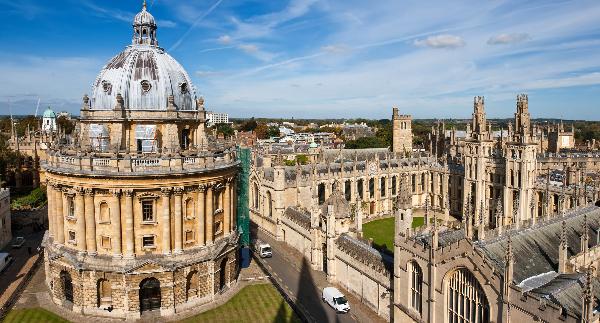
Radcliffe Camera: A stunning Palladian building and one of Oxford’s most photographed landmarks. It is a reading room for the Bodleian Library (not generally open to the public).
Bridge of Sighs: A skyway connecting two parts of Hertford College, named for its resemblance to the bridge in Venice.
Ashmolean Museum: Britain’s oldest public museum, housing a superb collection of art and archaeology, from Egyptian mummies to Pre-Raphaelite paintings.
Food & Drink Recommendations
The Covered Market: A historic market with independent butchers, bakeries, and sandwich shops—a great spot for an affordable and delicious lunch.
The Eagle and Child:A historic pub where J.R.R. Tolkien and C.S. Lewis, members of the literary group “The Inklings,” used to meet.
Punting:A classic Oxford experience. Hire a flat-bottomed boat and punt along the River Cherwell, ideally with a picnic from one of the city’s delis.
Chapter 6: Blenheim Palace – Churchill’s Birthplace
Located just outside Oxford in the town of Woodstock, Blenheim Palace is a monumental country house and a UNESCO World Heritage Site. It is the only non-royal, non-episcopal country house in England to hold the title of “Palace.”
The Palace Experience
The Palace Interior:A masterpiece of Baroque architecture by Sir John Vanbrugh. The opulent State Rooms are filled with priceless portraits, tapestries, and furniture. The visit includes an exhibition on Sir Winston Churchill, who was born at Blenheim in 1874.
The Gardens and Parkland:The formal gardens were designed by Capability Brown. Highlights include the Water Terraces, the Secret Garden, and the Grand Cascade. The parkland is perfect for long walks.
The Churchill Exhibition:Located in the room where he was born, this exhibition details the life and legacy of Britain’s famous wartime leader.
Practical Information
Getting There:Blenheim Palace is easily reached by bus from Oxford’s Gloucester Green bus station (about a 30-minute ride) or by car (ample parking available).
Tips:Tickets are valid for multiple entries for a year (convertible to an annual pass), making it good value for those staying locally. Allow at least 3-4 hours to fully appreciate the palace, gardens, and park.
The Return Journey: Back to London
The drive from Blenheim Palace/Oxford back to London is straightforward via the M40 motorway and takes approximately 1.5 to 2 hours, depending on traffic. Regular train services also run from Oxford Parkway or Oxford Station directly to London Marylebone or Paddington, with a journey time of around one hour.
Culminating Cultural Insights
This journey through Southern England offers more than just a checklist of sights; it provides a deep dive into the layers of British history and culture.
The Monarchy:The enduring presence of the monarchy is palpable from Buckingham Palace to Windsor Castle, reflecting a living tradition that continues to shape national identity.
Layers of History:The trip moves through millennia: from prehistoric Stonehenge to Roman Britain in Bath, from medieval power at the Tower of London to Georgian elegance in Bath and Oxford’s enduring academic tradition.
The English Countryside:The landscapes between these destinations—the rolling hills of Wiltshire and the Cotswolds—are an integral part of the experience, offering a serene contrast to the urban centers.
Respectful Tourism:When visiting university colleges, churches, and palaces, remember these are often working institutions or places of worship. Dressing respectfully and observing posted rules is expected.
A journey through London, Windsor, Stonehenge, Bath, Oxford, and Blenheim Palace is a quintessential English experience, weaving together threads of ancient mystery, royal splendor, academic excellence, and architectural beauty into an unforgettable travel tapestry.