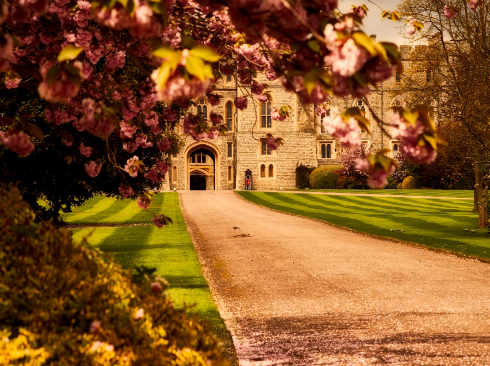
A Grand Tour of Southern England: London, Windsor, Stonehenge, Bath, Oxford & the White Cliffs
This comprehensive travel guide outlines a classic circuit through the heart of Southern England, blending the vibrant energy of London with the serene beauty of the English countryside and the profound weight of its history. The journey encompasses royal palaces, prehistoric mysteries, Roman baths, hallowed university halls, and dramatic coastal landscapes, offering a rich and diverse experience for any traveler.
Itinerary Overview
This suggested itinerary is designed as a 7 to 10-day loop, starting and ending in London. It is ideally undertaken by a combination of train travel for longer stretches and car rental for greater flexibility in rural areas like the Cotswolds and around Stonehenge.
Days 1-3: London
Day 4: Day Trip to Windsor Castle
Day 5: London to Stonehenge to Bath (Car/Tour Recommended)
Day 6: Bath to Oxford (with stop at Blenheim Palace)
Day 7: Oxford to Canterbury to Dover (Car/Train)
Day 8: Return to London from Dover
Chapter 1: London – The Imperial Capital
London is a sprawling metropolis where history and modernity coexist. From the crown jewels to cutting-edge art, the city offers an endless array of attractions.
Key Attractions
The Tower of London: A historic castle on the north bank of the River Thames. It has served as a royal palace, prison, armory, and treasury. Visitors can see the Crown Jewels, meet the iconic Beefeaters, and learn about the tower’s grim history.
Buckingham Palace: The official London residence of the UK’s sovereign. The daily Changing of the Guard ceremony is a major spectacle. During summer, the State Rooms are open to the public.
Houses of Parliament & Big Ben: An iconic Gothic revival building and the seat of the UK government. The Elizabeth Tower, commonly known as Big Ben, is one of the most recognizable symbols of London.
The British Museum: Home to a vast collection of world art and artifacts, including the Rosetta Stone and the Parthenon Marbles. Admission is free.
The West End: Catching a world-class theatre production is a quintessential London experience. Book tickets in advance for popular shows.
Food & Drink
London’s food scene is incredibly diverse. Beyond the classic pub fare of fish and chips or a Sunday roast, explore its culinary offerings.
Traditional Pubs: Sample a pint of real ale and classic pub food like a steak and ale pie or bangers and mash.
Afternoon Tea: Indulge in a British tradition at hotels like The Ritz or Fortnum & Mason, or find more affordable options across the city.
Borough Market: One of the largest and oldest food markets in London, perfect for gourmet snacks, fresh produce, and international cheeses.
International Cuisine: Explore the flavors of Brick Lane for Bangladeshi curries, Chinatown for dim sum, or areas like Brixton for global street food.
Transportation
London’s public transport system, primarily the Underground (the “Tube”) and buses, is extensive. The Oyster card or contactless payment is the most efficient way to pay for fares. Black cabs are iconic but expensive; ride-sharing apps are widely available.
Accommodation Tips
Stay in central zones (1-2) for easy access to major sights, but expect higher prices. Neighborhoods like Covent Garden, South Bank, and Kensington are popular. For more budget-friendly options, consider areas slightly further out but with good Tube connections, such as Paddington or King’s Cross.
Chapter 2: Windsor Castle – A Royal Day Out
A short trip west of London lies Windsor Castle, the oldest and largest inhabited castle in the world and an official residence of His Majesty The King.
Attraction Introduction
Windsor Castle’s stunning architecture and rich history are captivating. Key highlights include the magnificent State Apartments, furnished with treasures from the Royal Collection, and St. George’s Chapel, a fine example of Gothic architecture and the burial place of ten monarchs, including Queen Elizabeth II. The Changing of the Guard ceremony also takes place here on certain days.
Transportation from London
Windsor is easily accessible from London. Direct trains run from London Paddington (with a change at Slough) or from London Waterloo to Windsor & Eton Central or Riverside stations. The journey takes approximately 30-60 minutes.
Cultural Insight
The castle is not just a museum; it is a working royal palace. The Royal Standard flag flies when the monarch is in residence. Visitors should check the official website in advance as the castle can be closed for state events.
Chapter 3: Stonehenge – Prehistoric Mystery
Leaving London behind, the journey heads west into Wiltshire to one of the world’s most famous prehistoric monuments.
Attraction Introduction
Stonehenge is a ring of standing stones set within earthworks. Its purpose remains a subject of debate—serving as an astronomical observatory, a religious site, or a burial ground. The visitor center provides excellent context with exhibitions and reconstructed Neolithic houses. A shuttle bus takes visitors to the stone circle itself.
Transportation & Tours
Public transport to Stonehenge is limited. The most convenient options are:
Guided Tour: Many companies offer day tours from London or Bath that combine Stonehenge with other sights like Windsor or Bath.
Car Rental: Offers the most flexibility. Stonehenge is located just off the A303 road.
Train/Bus: Train to Salisbury, then a dedicated Stonehenge Tour bus from the station.
Travel Tip
Book tickets online in advance to secure a time slot and avoid long queues. Early morning or late afternoon visits often have fewer crowds. The weather on Salisbury Plain can be windy and wet, so dress appropriately.
Chapter 4: Bath – Georgian Elegance and Roman Heritage
From Stonehenge, the natural next stop is the beautiful UNESCO World Heritage city of Bath, famed for its honey-colored Georgian architecture and ancient Roman baths.
Key Attractions
The Roman Baths: A remarkably well-preserved complex built around Britain’s only hot spring. Walk on ancient Roman pavements and see the Great Bath.
Bath Abbey: A stunning Perpendicular Gothic church adjacent to the Roman Baths. Climb the tower for panoramic city views.
The Royal Crescent & The Circus: Iconic examples of Georgian architecture. The Royal Crescent is a sweeping curve of 30 terraced houses, a masterpiece of urban design.
Pulteney Bridge: One of only four bridges in the world with shops across its full span on both sides, reminiscent of Florence’s Ponte Vecchio.
Food & Drink
Bath offers a refined food scene. Don’t miss trying a traditional “Bath Bun,” a sweet, sugary bun. The city is also home to the famous Sally Lunn’s Historic Eating House, serving the original “Sally Lunn Bun.” For a unique experience, have afternoon tea at The Pump Room, overlooking the Roman Baths.
Accommodation Tips
Staying in a Georgian townhouse is a quintessential Bath experience. Look for guesthouses and hotels in the city center near the Royal Crescent or across Pulteney Bridge. For a truly luxurious stay, consider the Gainsborough Bath Spa hotel, which has direct access to the natural thermal waters.
Chapter 5: Oxford & Blenheim Palace – Scholarly Halls and a Duke’s Palace
The journey continues northeast from Bath into the rolling hills of Oxfordshire, first to a monumental palace and then to the “City of Dreaming Spires.”
Blenheim Palace
Attraction Introduction: A short drive from Oxford lies Blenheim Palace, a Baroque masterpiece and the birthplace of Sir Winston Churchill. It is the only non-royal, non-episcopal country house in England to hold the title of palace. The building itself is breathtaking, set within 2,000 acres of “Capability” Brown landscaped parkland featuring formal gardens and a lake.
Cultural Insight: The palace was a gift from a grateful nation to John Churchill, 1st Duke of Marlborough, for his victory over the French at the Battle of Blenheim in 1704. The Churchill exhibition within the palace provides deep insight into the life of the famous wartime leader.
Oxford City
Attraction Introduction: Oxford is synonymous with its world-renowned university, which is composed of 39 independent colleges. Exploring the college courtyards, halls, and chapels is a key activity.
Christ Church College: Famous for its grand dining hall (inspiration for Hogwarts’ Great Hall) and its cathedral.
Bodleian Library: One of the oldest libraries in Europe. Take a tour to see the magnificent Divinity School and Duke Humfrey’s Library.
Radcliffe Camera: A stunning circular library building that is an icon of the city.
Ashmolean Museum: Britain’s first public museum and now one of the world’s finest, with collections from Egyptian mummies to modern art.
Transportation between Bath, Blenheim, and Oxford
The most flexible way to manage this leg is by car. By public transport, take a train from Bath to Oxford (approx. 1 hour), then a local bus (The S3) from Oxford to Woodstock, the village where Blenheim Palace is located.
Chapter 6: Canterbury & The White Cliffs of Dover – Pilgrimage and Passage
The final leg of the circuit heads southeast from Oxford towards the coast, tracing a history of pilgrimage and maritime defense.
Canterbury
Attraction Introduction: Canterbury is one of England’s most historic cities and the heart of the Church of England.
Canterbury Cathedral: A UNESCO World Heritage Site and the site of Archbishop Thomas Becket’s murder in 1170. This event made it a major pilgrimage destination, as immortalized in Chaucer’s “The Canterbury Tales.”
The Canterbury Tales Visitor Attraction: A lively recreation of Chaucer’s tales using audio guides and life-sized models.
The Medieval City Walls & Westgate Towers: Explore the remains of the ancient city fortifications.
The White Cliffs of Dover
Attraction Introduction: A short journey from Canterbury brings you to these iconic white cliffs, a symbol of hope and home for centuries. The chalk cliffs rise dramatically from the sea, offering breathtaking views across the English Channel to France on a clear day. Walking paths along the cliff tops provide spectacular scenery.
Cultural Insight: The cliffs have been a defining natural defensive barrier throughout British history. During World War II, they became a potent symbol of British resilience and freedom. The nearby Dover Castle, known as the “Key to England,” offers a thousand years of defensive history.
Transportation and Return to London
Trains run frequently from Canterbury to Dover Priory station. From Dover Priory, there are direct train services back to London (approx. 1 hour). Alternatively, one can return a rental car in Dover and take the train.
General Travel Tips for Southern England
Best Time to Visit: Late spring (May-June) and early autumn (September) offer pleasant weather and fewer crowds. July and August are peak season.
Advance Bookings: For major attractions like Windsor Castle, the Roman Baths, and Blenheim Palace, booking tickets online in advance is highly recommended to save time and money.
Driving: If driving, remember that in the UK, one drives on the left-hand side of the road. Country lanes can be very narrow.
Tipping: A service charge (12.5%) is often added to restaurant bills. If not, tipping 10-15% is customary for good service. Tipping in pubs is not expected.
The Weather: British weather is famously changeable. Pack layers and a waterproof jacket regardless of the season.
This grand tour through Southern England offers an unparalleled journey through layers of British history, culture, and landscape, leaving travelers with a deep appreciation for this remarkable part of the world.