A Comprehensive Travel Guide: Lisbon, Porto, Aveiro, Coimbra, and the Enchanted Coast
This guide details a classic Portuguese itinerary, a loop starting and ending in Lisbon, that takes you through the country’s vibrant cities, historic university towns, and breathtaking coastal scenery. From the seven hills of Lisbon to the wine cellars of Porto and the dramatic cliffs of the Atlantic, this journey offers a profound taste of Portugal’s soul.
Part 1: Lisbon – The City of Seven Hills
Lisbon, Portugal’s charismatic capital, is a city of steep hills, pastel-colored buildings, and melancholic Fado music. It’s a place where historic trams rattle through narrow streets and the scent of grilled sardines fills the air.
Key Attractions in Lisbon
Alfama District: Get lost in the labyrinthine streets of Lisbon’s oldest quarter. This area survived the 1755 earthquake and is a maze of narrow alleys, hidden courtyards, and vibrant washing lines. Visit the Lisbon Cathedral (Sé de Lisboa), a formidable Romanesque fortress-church.
Castelo de São Jorge: Perched atop one of Lisbon’s highest hills, this Moorish castle offers panoramic views over the city’s red-tiled roofs and the Tagus River. The grounds are peaceful, populated with peacocks and archaeological sites.
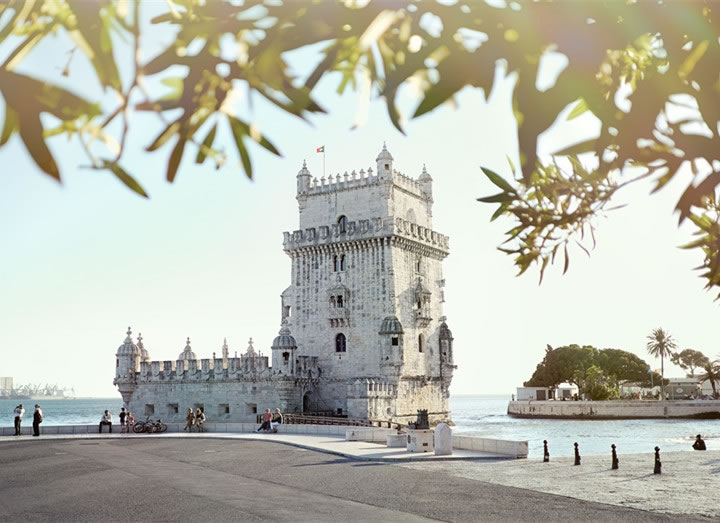
Belém District: This is the place from which Portugal’s great explorers set sail. Don’t miss the ornate Jerónimos Monastery, a masterpiece of Manueline architecture. The Belém Tower stands guard at the water’s edge, and the Monument to the Discoveries celebrates the Age of Exploration. Your visit here is incomplete without trying the original Pastéis de Belém.
Praça do Comércio: This vast, majestic square facing the river is one of Europe’s largest. Flanked by bright yellow government buildings, it’s a grand entrance to the city.
Bairro Alto & Chiado: By day, Chiado is an elegant shopping district. By night, Bairro Alto transforms into Lisbon’s primary nightlife hub, with hundreds of small bars spilling music and people into the streets.
Lisbon Food & Drink
Portuguese cuisine is a highlight, and Lisbon is its showcase. Essential experiences include:
Pastéis de Nata: The iconic custard tart. The most famous are from Pastéis de Belém, but you’ll find excellent versions in bakeries (pastelarias) everywhere.
Sardinhas Assadas: Grilled sardines, especially popular during the Festas de Santos Populares in June.
Bacalhau: Salted cod, prepared in hundreds of ways. Try Bacalhau à Brás (shredded cod with onions, potatoes, and eggs).
Ginjinha: A sour cherry liqueur, often served in a chocolate cup from small hole-in-the-wall bars.
Transportation & Tips for Lisbon
The city is very walkable, but the hills can be challenging. Utilize the historic
Tram 28 for a scenic (though crowded) tour of major neighborhoods. The metro system is clean, efficient, and easy to navigate. Consider purchasing a Viva Viagem card for easy access to all public transport. For a unique view, take the Santa Justa Lift or the Gloria Funicular.
Part 2: Porto – The Invincible City
Take a train from Lisbon to Porto (about 3 hours). Porto, built into the hills overlooking the Douro River, feels more rugged and traditional than Lisbon. It’s the home of Port wine and boasts a stunningly preserved historic center, a UNESCO World Heritage site.
Key Attractions in Porto
Ribeira District: A picturesque warren of medieval streets and colorful houses cascading down to the riverfront (Cais da Ribeira). This is the postcard image of Porto.
Luís I Bridge: An iconic double-decker metal bridge designed by a disciple of Gustave Eiffel. Walk across the top level for breathtaking views of the city and river.
Port Wine Lodges (Caves de Vinho do Porto): Cross the river to Vila Nova de Gaia, where all the major Port houses offer tours and tastings. Taylor’s, Graham’s, and Sandeman are popular choices.
Livraria Lello: Often cited as one of the most beautiful bookstores in the world, its stunning neo-Gothic interior and famous red staircase are said to have inspired J.K. Rowling.
Clérigos Church and Tower: Climb the 240 steps of the Clérigos Tower for a 360-degree view of Porto.
Porto Food & Drink
Francesinha: Porto’s infamous “heart attack on a plate.” It’s a sandwich layered with cured ham, linguiça, fresh sausage, steak, and cheese, covered in a hot tomato-beer sauce and often served with fries.
Tripas à Moda do Porto: A traditional tripe stew that gave Portuenses their nickname (tripeiros).
Port Tonic: A refreshing cocktail of white Port and tonic water, perfect for a sunny afternoon.
Part 3: Aveiro – The Portuguese Venice
A short train ride south from Porto (about 1 hour) brings you to Aveiro, a charming city crisscrossed by canals. While comparisons to Venice are overstated, its colorful
barcos moliceiros (traditional seaweed-harvesting boats) and Art Nouveau architecture give it a unique character.
Key Attractions in Aveiro
Canal Boat Tour: A must-do activity. Glide through the canals on a painted moliceiro while the boatman provides commentary on the city’s history and sights.
Costa Nova: A short bus or taxi ride away, this seaside village is famous for its striped, candy-colored houses.
Aveiro Cathedral: A simple but interesting building that showcases a mix of architectural styles from Romanesque to Baroque.
Aveiro Food & Drink
Aveiro is all about sweets and seafood.
Ovos Moles: The city’s signature sweet—egg yolk and sugar encased in a thin, rice-paper wrapper, often shaped like shells or fish.
Tripas de Aveiro: A sweet pastry, completely different from the Porto dish.
Fresh Seafood: Enjoy incredibly fresh fish and shellfish from the nearby lagoon and Atlantic.
Part 4: Coimbra – The City of Knowledge
Continuing south by train from Aveiro (about 1 hour), you arrive in Coimbra, home to one of the world’s oldest universities. The city is defined by its student population, whose black-caped uniforms and haunting
Fado de Coimbra music create a unique atmosphere.
Key Attractions in Coimbra
University of Coimbra – Alta and Sofia: A UNESCO World Heritage site. The highlight is the magnificent Joanine Library (Biblioteca Joanina), a Baroque masterpiece with gilded shelves and thousands of ancient books. Don’t miss the Sala dos Capelos (Grand Hall) and the climb up the University Tower for views.
Sé Velha (Old Cathedral): A robust, fortress-like Romanesque cathedral that reflects Coimbra’s early importance.
Santa Cruz Monastery: The final resting place of Portugal’s first king, Afonso Henriques.
Portugal dos Pequenitos: A charming theme park with miniature versions of Portugal’s iconic buildings, perfect for families.
Coimbra Culture & Food
The academic tradition is palpable. You might hear students singing
Fado de Coimbra, a more formal and melancholic style than its Lisbon counterpart, often sung by male students in their capes. Try local specialties like Leitão à Bairrada (suckling pig) and Chanfana (goat or lamb stew).
The Enchanted Coast & Sintra: A Circular Day Trip from Lisbon
The final leg of this journey is a spectacular coastal drive west from Lisbon. This can be done as a long day trip or over two days for a more relaxed pace. Renting a car offers the most flexibility for this section.
The Route: Lisbon -> Cascais -> Boca do Inferno -> Guincho Beach -> Cabo da Roca -> Sintra -> Lisbon
Cascais
A former fishing village turned elegant resort town. Stroll through the charming historic center, visit the
Cidadela de Cascais (a fortress complex), and relax at one of the town’s sandy beaches.
Boca do Inferno (Hell’s Mouth)
A short drive from Cascais, this is a dramatic cliff formation where the sea has carved a large cave and archway. During rough weather, waves crash against the rocks with tremendous force, creating a “hellish” spectacle and giving the site its name. It’s a powerful display of the Atlantic’s raw power.
Cabo da Roca (Roca Cape)
The westernmost point of mainland Europe. Standing on the windswept cliffs with a lighthouse at your back and nothing but ocean ahead is a profoundly memorable experience. Get your certificate from the tourist office to prove you’ve been here.
Sintra
A magical mountain town filled with royal palaces, extravagant mansions, and lush forests. It feels like something out of a fairy tale.
Pena Palace (Palácio da Pena): The crown jewel of Sintra. This 19th-century Romanticist palace is a riot of colors, styles, and shapes, perched high on a hill. Its surrounding park is vast and beautiful for walking.
Moorish Castle (Castelo dos Mouros):The ruins of an 8th-century castle offering incredible views over Sintra and the Pena Palace from its long, crenellated walls.
Quinta da Regaleira:A mysterious and enchanting estate with a Gothic palace, lush gardens, hidden tunnels, and the famous Initiation Well, a subterranean tower that spirals deep into the earth.
National Palace of Sintra:Situated in the town center, easily identified by its two massive conical chimneys. Its interiors feature magnificent azulejo tilework.
Sintra Food & Practical Tips
Sintra is known for two unique pastries:
Travesseiros (pillow-shaped pastries filled with almond cream) and Queijadas de Sintra (sweet cheesecake tarts). A major tip for Sintra: start early. The palaces are extremely popular. Consider using the local tourist bus circuit (Scotturb) to get between the scattered attractions efficiently, as parking and driving can be very difficult.
A Practical Travel Summary
Transportation Overview
Between Cities:The Portuguese rail network (Comboios de Portugal) is excellent for travel between Lisbon, Porto, Aveiro, and Coimbra. Book intercity (Intercidades) or high-speed (Alfa Pendular) trains in advance for the best prices.
The Coastal Loop:A rental car is highly recommended for maximum freedom to explore Hell’s Mouth, Guincho Beach, Cabo da Roca, and the Sintra mountains at your own pace. Alternatively, you can use a combination of trains (to Cascais/Sintra) and local buses/tours, but this will be less flexible.
Within Cities:Lisbon and Porto have excellent public transportation systems (metro, bus, tram). Walking is the best way to explore the historic cores.
Cuisine Deep Dive: A Culinary Journey
The food on this itinerary tells a story of Portugal’s geography and history. From Porto’s hearty meat dishes to Aveiro’s lagoon seafood and Lisbon’s Atlantic-caught fish, each region has its specialties. The ubiquitous presence of salt cod (
bacalhau) is a legacy of Portugal’s seafaring past. Pastries often have monastic origins, using copious egg yolks (the whites were used for clarifying wine). Don’t be afraid to venture into small, family-run Tascas for an authentic and affordable meal.
Culturally Significant Insights
Saudade:A uniquely Portuguese word describing a deep emotional state of nostalgic longing for something or someone that one loves. It’s often considered untranslatable and is a key theme in Fado music.
The Age of Discoveries:The legacy of explorers like Vasco da Gama and Henry the Navigator is everywhere—in Lisbon’s Belém monuments, Porto’s connection to trade, and even in the ingredients used in Portuguese cuisine.
Azuletos:The beautiful painted ceramic tiles that adorn everything from churches to train stations. Pay attention to them; they are an integral part of Portugal’s visual identity.
Coffee Culture:The Portuguese take their coffee seriously. Know your order: a simple “um café” is an espresso. For a longer coffee with milk, ask for a “galão” (in a tall glass) or a “meia de leite”(in a cup).
A journey through this cross-section of Portugal offers more than just sightseeing; it’s an immersion into a culture rich with history, flavored by incredible food and wine, and framed by some of Europe’s most stunning landscapes. Boa viagem!