Spain Grand Tour: Barcelona, Mediterranean Coast, Andalusia & Madrid
A comprehensive 14-21 day itinerary covering Spain’s diverse regions
Introduction to the Spanish Grand Tour
This circular route beginning and ending in Barcelona covers approximately 2,500 kilometers and showcases Spain’s remarkable diversity. The journey encompasses Mediterranean beaches, Moorish palaces, Renaissance architecture, and vibrant modern cities. The itinerary is designed for 14-21 days, allowing for thorough exploration of each destination while maintaining a comfortable pace.
Recommended Duration
14 days (minimum) to 21 days (ideal). Distances between cities range from 1-6 hours by car or train.
Best Time to Visit
Spring (April-June) and Autumn (September-October) offer pleasant temperatures and fewer crowds. Summer can be extremely hot, particularly in Andalusia.
Transportation Options
Rental car provides maximum flexibility for smaller towns. Spain’s high-speed AVE train network connects major cities efficiently. Buses serve routes between smaller destinations.
Barcelona: The Catalan Capital
Barcelona, capital of Catalonia, blends Gothic architecture with modernist masterpieces and Mediterranean charm. The city’s unique character stems from its distinct Catalan culture, world-class cuisine, and spectacular urban planning.
Major Attractions
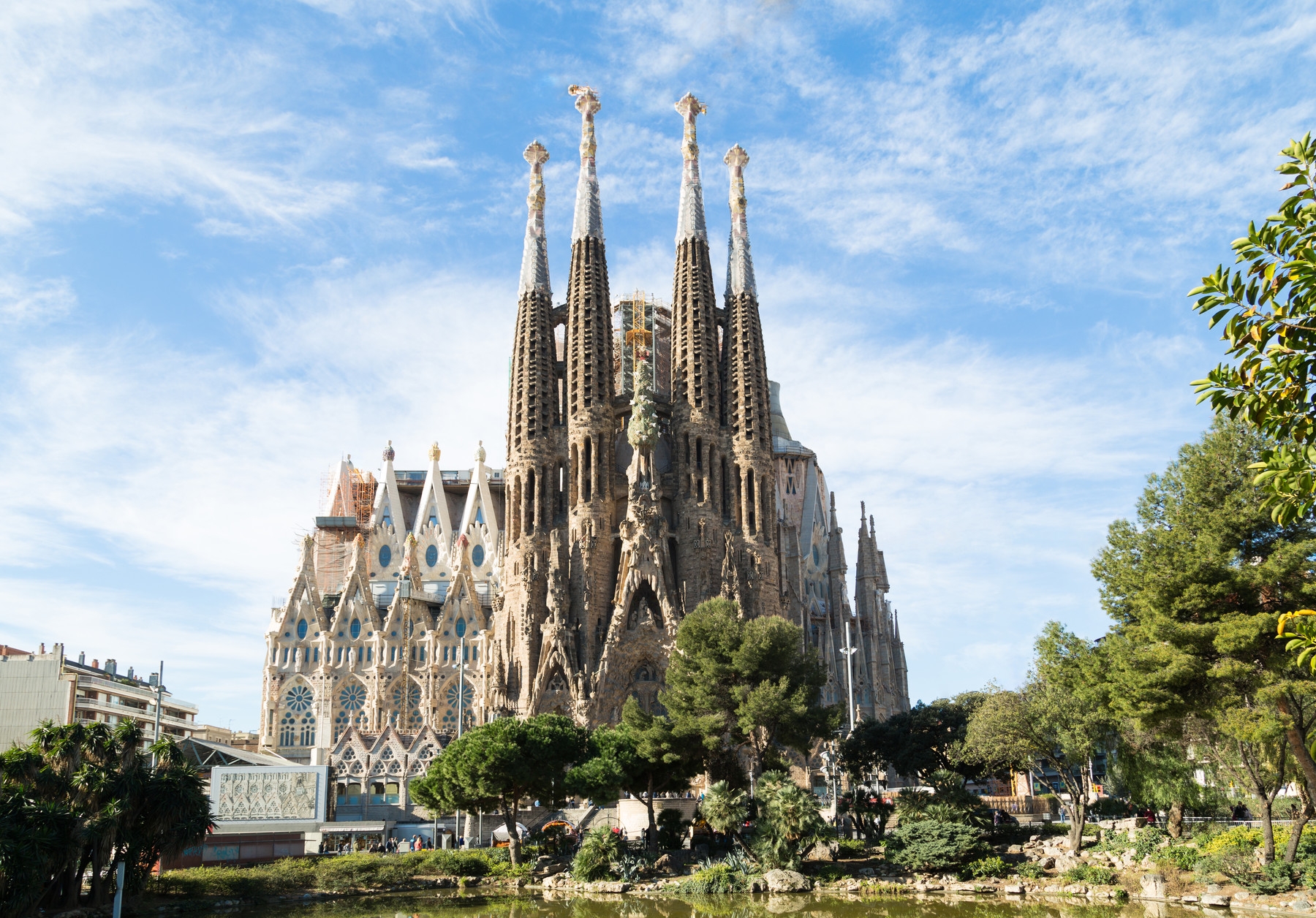
Basílica de la Sagrada Família: Antoni Gaudí’s unfinished masterpiece, combining Gothic and Art Nouveau forms. Construction began in 1882 and continues today.
Park Güell: A public park system composed of gardens and architectural elements located on Carmel Hill, designed by Gaudí.
Gothic Quarter (Barri Gòtic): The historic center with medieval buildings, narrow streets, and the Barcelona Cathedral.
La Rambla: A famous tree-lined pedestrian street stretching for 1.2 kilometers through central Barcelona.
Casa Batlló & Casa Milà: Two of Gaudí’s most famous residential buildings, showcasing his organic architectural style.
Montjuïc Hill: Home to the Magic Fountain, National Palace, and Olympic facilities from the 1992 Games.
Practical Information
Recommended Stay: 3-4 days
Transportation: Extensive metro system, buses, and tourist buses. Barcelona-El Prat Airport (BCN) serves international flights.
Must-Try Foods: Pa amb tomàquet (bread with tomato), calcots (spring onions), crema catalana
Special Note: Book Sagrada Família tickets online well in advance to avoid long queues.
Peñíscola: The Castle in the Sea
Peñíscola is a fortified seaport on the Costa del Azahar, famous for its historic castle perched dramatically on a rocky promontory extending into the Mediterranean Sea. The town served as the seat of the Avignon Papacy in the 15th century.
Major Attractions
Papa Luna Castle: A fortress castle built by the Knights Templar between 1294 and 1307, later serving as residence for antipope Benedict XIII.
Old Town: Winding medieval streets with whitewashed houses, artisan shops, and seafood restaurants.
City Walls: Well-preserved defensive walls offering panoramic views of the Mediterranean.
Beaches: Extensive sandy beaches north and south of the historic center, including Playa Norte and Playa Sur.
Portal Fosc: The main gate to the old city, dating from the 16th century.
Practical Information
Recommended Stay: 1 day
Transportation: 2.5-hour drive from Barcelona. Limited train service to Benicarló station (5km away) with connecting buses.
Must-Try Foods: Fresh seafood, particularly suquet de peix (fish stew), and oranges from local groves.
Special Note: Visit during weekdays to avoid weekend crowds from nearby cities.
Valencia: City of Arts and Sciences
Spain’s third-largest city blends ancient history with striking modern architecture. Valencia is the birthplace of paella and home to the futuristic City of Arts and Sciences complex. The city maintains a balanced pace between traditional Spanish culture and contemporary innovation.
Major Attractions
City of Arts and Sciences: An architectural complex designed by Santiago Calatrava, including an opera house, science museum, IMAX cinema, and Europe’s largest aquarium.
Valencia Cathedral: A Gothic-style cathedral housing what is claimed to be the Holy Grail.
La Lonja de la Seda: A UNESCO World Heritage site, this 15th-century building exemplifies late Gothic civil architecture.
Central Market: One of Europe’s largest covered markets, featuring fresh produce, meats, and local specialties.
Turia Gardens: A 9-kilometer park created in the former riverbed of the Turia River after it was diverted following a 1957 flood.
El Carmen Neighborhood: The historic bohemian quarter with medieval buildings, street art, and vibrant nightlife.
Practical Information
Recommended Stay: 2-3 days
Transportation: 2-hour drive from Peñíscola. Valencia Airport (VLC) has good European connections. Efficient metro and bus systems.
Must-Try Foods: Authentic paella valenciana (with rabbit and chicken), horchata with fartons, aguacates de la Albufera (shrimp-stuffed avocados)
Special Note: Visit during Las Fallas festival (March) for spectacular fireworks and papier-mâché sculptures, though accommodation prices increase significantly.
Granada: The Last Moorish Kingdom
Granada sits at the foot of the Sierra Nevada mountains and represents the culmination of Moorish civilization in Spain. The city’s crown jewel is the Alhambra, one of the most magnificent examples of Islamic architecture in the world. Granada’s unique atmosphere blends Moorish influences with traditional Andalusian culture.
Major Attractions
The Alhambra: A sprawling palace and fortress complex comprising royal palaces, exquisite gardens (Generalife), and military fortifications (Alcazaba). The Nasrid Palaces represent the peak of Islamic art in Spain.
Albaicín Quarter: The old Moorish quarter with narrow winding streets, whitewashed houses, and panoramic views of the Alhambra.
Sacromonte: Traditional Gitano (Roma) neighborhood known for its cave dwellings and flamenco performances.
Royal Chapel: Burial place of Catholic Monarchs Ferdinand and Isabella, who completed the Reconquista in Granada.
Carrera del Darro: Picturesque street following the Darro River with views of the Alhambra and historic bridges.
Monasterio de San Jerónimo: Renaissance monastery containing the tomb of El Gran Capitán, Gonzalo Fernández de Córdoba.
Practical Information
Recommended Stay: 2-3 days
Transportation: 5-hour drive from Valencia. Granada Airport (GRX) has limited international flights. Well-connected by train and bus to other Andalusian cities.
Tickets: Alhambra tickets must be booked months in advance online due to strict daily visitor limits.
Must-Try Foods: Free tapas with drinks (Granada tradition), piononos (small pastries from Santa Fe), remojón granadino (orange and cod salad)
Special Note: Visit the Albaicín at sunset for spectacular views of the Alhambra illuminated against the Sierra Nevada mountains.
Practical Travel Information