Spain & Portugal Travel Guide: Barcelona, Madrid, Toledo, Granada, Ronda, Seville, Lisbon, Sintra, Cabo da Roca
Introduction
This comprehensive travel guide details a classic Iberian Peninsula itinerary, taking you through the vibrant cities and stunning landscapes of Spain and Portugal. From the modernist wonders of Barcelona to the dramatic cliffs of the Atlantic coast, this journey is a feast for the senses, rich in history, art, architecture, and cuisine.
Itinerary Overview
This route is typically undertaken over a period of 14 to 21 days. The suggested order is based on logical geographical progression and efficient travel connections.
Barcelona (3-4 days)
Madrid (3-4 days) with a day trip to Toledo
- Travel to
Granada (2 days)
- Travel to
Ronda (1 day)
- Travel to
Seville (3 days)
- Travel to
Lisbon (3-4 days) with day trips to Sintra and Cabo da Roca
Part 1: Spain – Catalonia & Andalusia
Barcelona: The City of Gaudí
Barcelona, the capital of Catalonia, is a vibrant, artistic city known for its unique architecture, bustling street life, and Mediterranean beaches.
Key Attractions
La Sagrada Família: Antoni Gaudí’s unfinished masterpiece and the city’s most iconic landmark. Booking tickets online well in advance is essential.
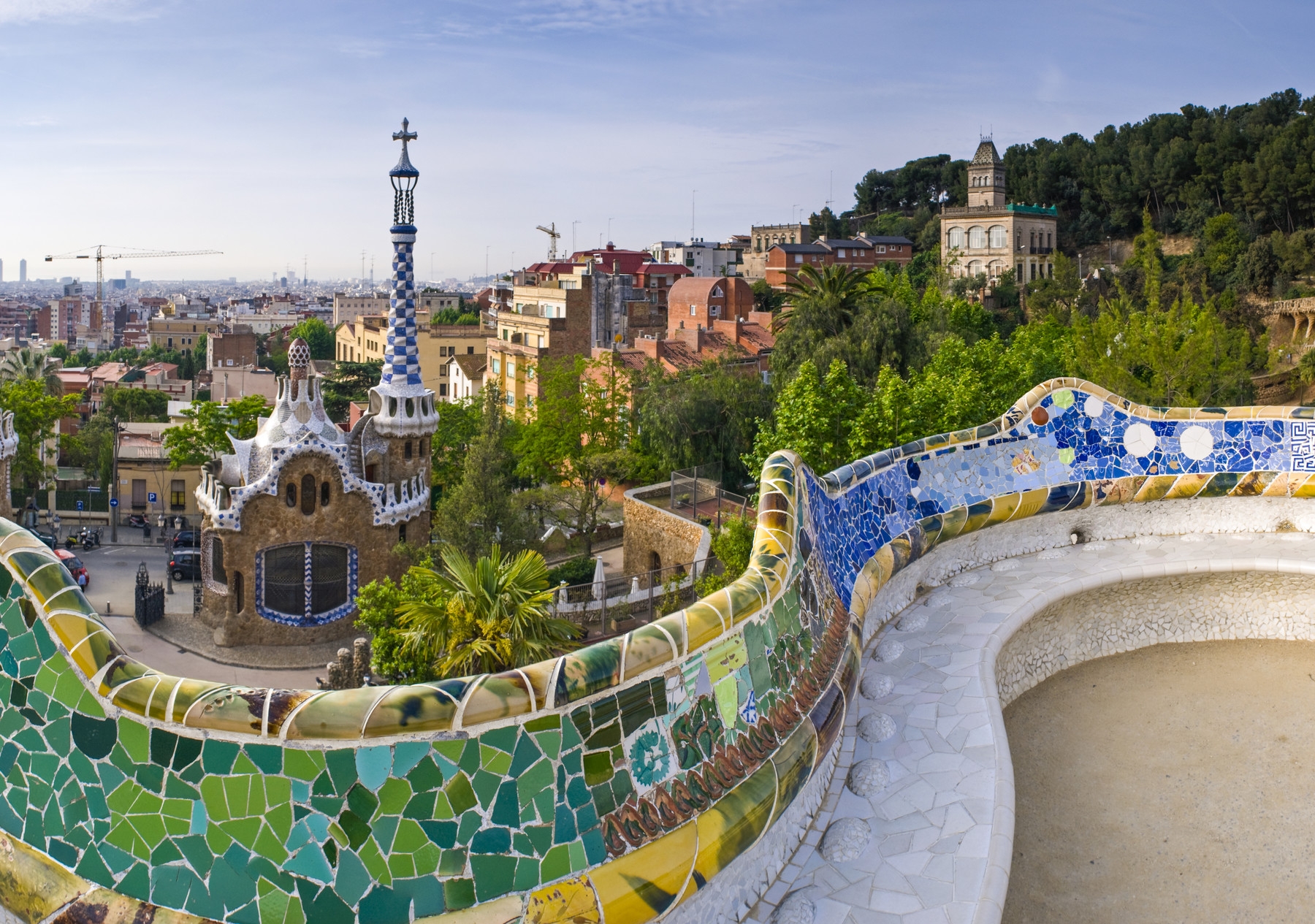
Park Güell: A whimsical public park designed by Gaudí, offering colorful mosaics, unique structures, and panoramic city views.
Casa Batlló & La Pedrera (Casa Milà): Two other stunning Gaudí buildings on the Passeig de Gràcia, known for their undulating facades and innovative design.
Gothic Quarter (Barri Gòtic): The heart of the old city, a maze of narrow medieval streets filled with shops, bars, and historical buildings like the Barcelona Cathedral.
La Rambla: A famous, tree-lined pedestrian street stretching from Plaça de Catalunya to the port. Be vigilant for pickpockets.
Magic Fountain of Montjuïc: A large fountain offering a spectacular light and music show in the evenings.
Practical Information
Getting There: Barcelona-El Prat Airport (BCN) is well-connected globally. The Aerobús provides a quick transfer to the city center.
Getting Around: The Metro system is efficient and extensive. The T-casual ticket offers 10 journeys at a discounted rate.
Food & Drink: Try “pa amb tomàquet” (bread with tomato), fresh seafood, and “crema catalana.” Visit La Boqueria Market for a sensory overload.
Madrid: The Royal Capital
Spain’s vibrant capital is known for its elegant boulevards, sprawling parks, world-class art museums, and energetic nightlife.
Key Attractions
Prado Museum (Museo del Prado): Home to one of the world’s finest collections of European art, including works by Goya, Velázquez, and El Greco.
Royal Palace (Palacio Real): The official residence of the Spanish Royal Family, though now used only for state ceremonies. Its opulent rooms are open to the public.
Retiro Park (Parque del Buen Retiro): A vast and beautiful park perfect for boating on the lake, visiting the Crystal Palace, or simply strolling.
Puerta del Sol & Plaza Mayor: Two of Madrid’s most famous and central squares, always buzzing with activity.
Reina Sofía Museum: Showcases modern Spanish art, most famously Picasso’s monumental anti-war painting, “Guernica.”
Practical Information
Getting There: Adolfo Suárez Madrid–Barajas Airport (MAD) is a major international hub. A direct high-speed train (AVE) connects Barcelona to Madrid in about 2.5 hours.
Getting Around: Madrid’s Metro is one of the largest in the world. A 10-trip “Metrobús” ticket is cost-effective.
Food & Drink: Don’t miss “churros con chocolate” at Chocolatería San Ginés. Enjoy “tapas” in the La Latina neighborhood and try “cocido madrileño” (a hearty chickpea stew).
Toledo: The Imperial City (Day Trip from Madrid)
A UNESCO World Heritage site perched on a hill, Toledo is a historical treasure trove known as the “City of Three Cultures” for its Christian, Muslim, and Jewish influences.
Getting There: Frequent trains from Madrid’s Atocha station take about 30 minutes. The bus is a cheaper, slightly slower alternative.
Attractions: The imposing Alcázar fortress, the breathtaking Toledo Cathedral, the Synagogue of Santa María la Blanca, and the Monastery of San Juan de los Reyes. Wander the labyrinthine streets to discover its charm.
Tip: Wear comfortable shoes as the city is hilly and best explored on foot.
Granada: The Moorish Jewel
Nestled at the foot of the Sierra Nevada mountains, Granada is famous for the magnificent Alhambra palace, a testament to its Moorish past.
Key Attractions
The Alhambra and Generalife Gardens: A sprawling complex of palaces, fortresses, and gardens that is the pinnacle of Islamic architecture in Spain. You MUST book tickets online months in advance.
Albaicín (Albayzín): The old Moorish quarter, a maze of whitewashed houses, narrow cobbled streets, and “cármenes” (walled houses with gardens). The viewpoint at Mirador de San Nicolás offers a stunning sunset view of the Alhambra.
Sacromonte: The traditional Gypsy (Roma) neighborhood, known for its cave houses and flamenco shows in “cuevas” (caves).
Granada Cathedral & Royal Chapel: A magnificent Renaissance cathedral where the Catholic Monarchs, Ferdinand and Isabella, are buried.
Practical Information
Getting There: The best way from Madrid is by high-speed train (about 3.5 hours). Granada Airport (GRX) has limited connections.
Getting Around: The city center is very walkable. Small buses navigate the steep hills of Albaicín.
Food & Drink: Granada is famous for its free tapas culture—a drink order almost always comes with a complimentary small plate of food. Try local dishes like “habas con jamón” (broad beans with ham).
Ronda: The Dramatic Cliffside Town
A stunning town perched on either side of the deep El Tajo gorge, Ronda is one of Spain’s most picturesque destinations and the birthplace of modern bullfighting.
Key Attractions
Puente Nuevo: The “New Bridge,” an 18th-century architectural marvel that spans the 120-meter-deep gorge, connecting the old and new towns.
Plaza de Toros: One of Spain’s oldest and most picturesque bullrings, now a museum dedicated to the history of bullfighting.
The Old Town (La Ciudad): Explore its Moorish origins in the narrow streets, the Arab Baths (Baños Árabes), and the Mondragón Palace.
The Gorge Walk: Follow paths down into the gorge for breathtaking views of the bridge and the surrounding landscape.
Practical Information
Getting There: Ronda is best reached by bus or car from other Andalusian cities. Trains are scenic but less frequent. It’s often visited as a stopover between Granada and Seville.
Staying: While often a day trip, staying overnight allows you to experience the town’s magic without the crowds.
Seville: The Heart of Andalusia
The capital of Andalusia is a passionate city of flamenco, orange trees, and breathtaking Mudéjar architecture.
Key Attractions
Seville Cathedral & La Giralda: The largest Gothic cathedral in the world. Climb the Giralda bell tower, a former minaret, for incredible city views.
Real Alcázar: A stunning royal palace complex with exquisite gardens, showcasing a blend of Moorish and Christian architectural styles. Book tickets online in advance.
Plaza de España: A grand, semi-circular brick building built for the 1929 Ibero-American Exposition, surrounded by a moat and tiled alcoves representing Spanish provinces.
Barrio Santa Cruz: The city’s former Jewish quarter, a charming labyrinth of whitewashed streets, flower-filled patios, and hidden plazas.
Triana Neighborhood: Cross the Isabel II Bridge to this traditional neighborhood, famous for its flamenco culture, ceramic workshops, and lively market.
Metropol Parasol (“Las Setas”): The world’s largest wooden structure, offering a panoramic walkway and views over the old city.
Practical Information
Getting There: Seville Airport (SVQ) has good connections. It’s well-connected by train and bus from other Spanish cities. The bus from Ronda takes about 1.5-2 hours.
Getting Around:The historic center is very walkable. Buses and trams cover areas further out.
Food & Drink:Savor “pescaíto frito” (fried fish), “salmorejo” (a thicker gazpacho), and “jamón ibérico.” See an authentic flamenco show in a “tablao.”
Part 2: Portugal – Lisbon & Its Surroundings
Travelling from Spain to Portugal
The most convenient way to travel from Seville to Lisbon is by bus (approx. 6-7 hours) or by a combination of train and bus. Direct flights are also available but account for airport time. The bus journey is scenic and cost-effective.
Lisbon: The City of Seven Hills
Portugal’s charismatic capital is built on hills overlooking the Tagus River, known for its yellow trams, fado music, and historic neighborhoods.
Key Attractions
Belém District: Home to two UNESCO sites: the Jerónimos Monastery, a masterpiece of Manueline architecture, and the Belém Tower, a 16th-century fortress on the river. Don’t miss the Pastéis de Belém bakery for the original pastel de nata.
Tram 28:A historic yellow tram that winds its way through Lisbon’s most picturesque neighborhoods like Alfama, Graça, and Baixa. Beware of pickpockets.
Alfama:The oldest district of Lisbon, a maze of narrow streets, small squares, and home to the São Jorge Castle, which offers panoramic views.
Baixa & Rossio Square:The elegant downtown district, rebuilt after the 1755 earthquake, with grid-like streets and grand plazas.
Chiado & Bairro Alto:Shopping district by day (Chiado) and a vibrant nightlife hub by night (Bairro Alto). Take the Santa Justa Lift for a view.
LX Factory:A trendy creative hub located under the 25 de Abril Bridge in a renovated industrial complex, full of shops, restaurants, and art spaces.