A Comprehensive Travel Guide: Istanbul & Cappadocia Loop
This guide provides a detailed itinerary and essential information for travelers exploring the mesmerizing loop from the historic metropolis of Istanbul to the surreal landscapes of Cappadocia and back. This journey contrasts the imperial grandeur of a former capital with the raw, geological wonders of central Anatolia, offering a profound glimpse into Turkey’s diverse soul.
Part 1: Istanbul – Where Continents Collide
Istanbul, a city straddling Europe and Asia, is a vibrant tapestry of history, culture, and modern life. Formerly known as Constantinople, it served as the capital of the Roman, Byzantine, and Ottoman Empires, leaving behind an unparalleled historical legacy.
Top Attractions in Istanbul
Sultanahmet District (Historic Core):
Hagia Sophia (Ayasofya): A monumental masterpiece of Byzantine architecture, later a mosque, and now a museum. Its massive dome, stunning mosaics, and historical layers are awe-inspiring.
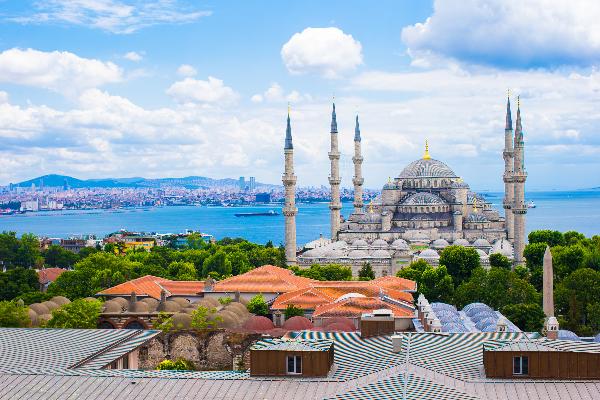
Blue Mosque (Sultanahmet Camii): Renowned for its six minarets and exquisite interior decorated with over 20,000 Iznik blue tiles. Visitors should dress modestly and be aware of prayer times when it’s closed to tourists.
Topkapi Palace: The primary residence of Ottoman Sultans for nearly 400 years. Explore its lavish courtyards, harem, treasury (home to the famous Topkapi Dagger and 86-carat Spoonmaker’s Diamond), and enjoy panoramic views of the Bosphorus.
Basilica Cistern: This vast underground water reservoir, supported by 336 marble columns, offers a mysterious and cool respite from the city bustle. Look for the Medusa head pillars at the far end.
Hippodrome: The ancient center for chariot races and public life. Today, you can see the Egyptian Obelisk, the Serpentine Column, and the Constantine Column.
Beyoğlu and Beyond:
Grand Bazaar: One of the world’s oldest and largest covered markets, with over 4,000 shops. It’s a labyrinth of jewelry, carpets, leather, spices, and ceramics. Haggling is expected.
Spice Bazaar (Egyptian Bazaar): A sensory explosion of colors and aromas. Here you can find Turkish delight, spices, dried fruits, nuts, and herbal teas.
Istiklal Avenue & Taksim Square: The heart of modern Istanbul. This bustling pedestrian street is lined with shops, galleries, and cafes. Ride the nostalgic red tram to Taksim Square for a taste of contemporary city life.
Galata Tower: Offers one of the best 360-degree views of Istanbul’s historic peninsula and the Bosphorus. The surrounding Galata neighborhood is famous for its narrow streets and trendy cafes.
Bosphorus Cruise: A must-do activity. A ferry ride along the strait provides a unique perspective of palaces, mosques, and wooden mansions (yalıs) lining the European and Asian shores.
Süleymaniye Mosque: An architectural masterpiece by the famed architect Mimar Sinan, commissioned by Sultan Suleiman the Magnificent. Its complex includes libraries, schools, and a hamam, and the courtyard offers stunning views.
Istanbul Food & Drink
Breakfast (Kahvaltı): A lavish affair. Enjoy a spread of cheeses, olives, tomatoes, cucumbers, honey, kaymak (clotted cream), jam, and menemen (scrambled eggs with tomatoes and peppers).
Street Food: Don’t miss simit (a sesame-encrusted bread ring), balık ekmek (fish sandwich in Eminönü), roasted chestnuts, and mussels stuffed with spiced rice (midye dolma).
Kebabs & Mezes: Try iconic dishes like döner kebab, şiş kebab (shish kebab), and Adana kebab. Start your meal with a selection of mezes (appetizers) such as hummus, haydari (thick yogurt dip), and dolma (stuffed vine leaves).
Sweets: Indulge in baklava (especially from Güllüoğlu or Karaköy Güllüoğlu), Turkish delight (lokum), and künefe (a cheese-based dessert soaked in syrup).
Drinks: Turkish coffee (strong and unfiltered), Turkish tea (çay) served in tulip-shaped glasses, and ayran (a savory yogurt drink) are national staples.
Transportation in Istanbul
Istanbulkart: This rechargeable card is essential for using all public transport—metro, trams, buses, and ferries—at a discounted rate.
Tram: The most convenient way to get around the Sultanahmet area (T1 line connects major sites).
Metro & Funiculars: Efficient for covering longer distances and climbing hills (e.g., from Kabataş to Taksim).
Ferries: The best way to travel between the European and Asian sides. A commute is also a scenic tour.
Taxis: Readily available but ensure the meter is running. Ride-hailing apps like BiTaksi are also popular.
Accommodation Tips for Istanbul
Sultanahmet: Ideal for first-time visitors who want to be within walking distance of major historical sites. Accommodation ranges from luxury hotels to charming boutique hotels in restored Ottoman houses.
Beyoğlu / Taksim: Perfect for those seeking vibrant nightlife, dining, and shopping. Offers a wide range of modern hotels and hostels.
Karaköy / Galata: A trendy, up-and-coming area with art galleries, chic cafes, and designer hotels, conveniently located between the old city and Beyoğlu.
Kadıköy (Asian Side): Offers a more local and laid-back experience with fantastic food markets and waterfront parks.
The Journey: Istanbul to Cappadocia
The most efficient way to travel between Istanbul and Cappadocia is by air. The journey by bus is possible but long (approx. 10-12 hours).
By Air
Airports: Flights from Istanbul (IST or SAW) arrive at either Kayseri (ASR) or Nevşehir (NAV) airports. Kayseri is larger and often has more flight options.
Airlines: Turkish Airlines, Pegasus Airlines, and AnadoluJet operate frequent daily flights.
Transfer to Göreme: Both airports are about an hour’s drive from Göreme, the main tourist town in Cappadocia. Pre-booking a shuttle service (havalimanı servis) is highly recommended and often arranged by your hotel.
Part 2: Cappadocia – A Surreal Dreamscape
Cappadocia is a historical region in central Turkey famous for its unique “fairy chimney” rock formations, ancient underground cities, and breathtaking hot air balloon rides at dawn. The landscape is the result of volcanic eruptions and millions of years of erosion.
Top Attractions in Cappadocia
Göreme Open-Air Museum: A UNESCO World Heritage site featuring a complex of rock-cut churches, chapels, and monasteries from the Byzantine era, adorned with well-preserved frescoes.
Hot Air Balloon Ride: The quintessential Cappadocia experience. Floating over the fairy chimneys and valleys at sunrise is a truly magical and unforgettable event. It’s essential to book this well in advance.
The Valleys: Hiking through the valleys is the best way to appreciate the landscape.
Love Valley: Known for its tall, phallic-shaped rock formations.
Rose Valley & Red Valley: Famous for their stunning pink and red hues, especially at sunset. The hiking trail between the two is particularly popular.
Pigeon Valley: Named for the thousands of pigeon houses carved into the cliffs. Pigeons were historically kept for their fertilizer.
Ihlara Valley: A deep canyon with a river running through it and numerous rock-cut churches. It offers a longer, more demanding hike.
Underground Cities: Elaborate multi-level cities carved deep into the soft rock, used by early Christians as hiding places. Kaymaklı and Derinkuyu are the most famous and impressive ones to visit.
Uçhisar Castle: The highest point in Cappadocia, this rock citadel offers panoramic views of the entire region.
Avanos: A town situated on the banks of the Red River (Kızılırmak), famous for its pottery tradition dating back to Hittite times. Visitors can watch demonstrations and try their hand at the potter’s wheel.
Paşabağ (Monks Valley): Home to some of the most striking fairy chimneys with multiple caps and stems.
Devrent Valley (Imagination Valley): Features rock formations that resemble various animals like camels, snakes, and dolphins.
Cappadocia Food & Drink
Testi Kebab (Pottery Kebab): A local specialty where meat and vegetables are slow-cooked in a sealed clay pot, which is dramatically broken open at your table.
Clay Pot Dishes: Similar to testi kebab, many stews are cooked and served in individual clay pots.
Gözleme: A thin, savory flatbread stuffed with various fillings like cheese, potatoes, or spinach, cooked over a griddle.
Local Wines: Cappadocia has a long history of viticulture. Be sure to try wines made from local grapes like Öküzgözü and Boğazkere.
Avanos Pottery Kebab: A specific variant of the testi kebab that is a point of pride in Avanos.
Transportation in Cappadocia
Tours: Organized Red and Green tours are a convenient way to see the main attractions scattered across the region.
Rental Car or Scooter: Offers the most flexibility for independent exploration. Roads are generally well-maintained.
Local Dolmuş: