A Comprehensive Travel Guide: The Baltic Capitals & Nordic Highlights
This guide details a classic Northern European itinerary, weaving through the medieval charm of the Baltic States—Estonia, Latvia, and Lithuania—with a hop over to the Nordic sophistication of Sweden and Finland. The route focuses on a rich tapestry of history, stunning natural landscapes, and vibrant modern culture, following the path: Tallinn -> Pärnu -> Cēsis -> Sigulda -> Vilnius -> Trakai -> Kaunas -> Šiauliai -> Rundāle Palace -> Riga -> Tallinn.
Introduction to the Region
The Baltic States of Estonia, Latvia, and Lithuania share a common history but possess unique languages, traditions, and characters. Estonia often feels more Nordic, Latvia is a blend of Baltic and Germanic influences, and Lithuania has a deep historical connection to Poland. Adding Sweden and Finland provides a contrast of Scandinavian modernity and design. This journey is best undertaken by bus or car, as the connections between Baltic cities are excellent and scenic.
Tallinn, Estonia
The journey begins and ends in Tallinn, Estonia’s captivating capital. Its impeccably preserved Old Town, a UNESCO World Heritage site, is a storybook come to life.
Main Attractions
Tallinn Old Town: Divided into the Upper Town (Toompea) and Lower Town. Wander its cobblestone streets, admire the medieval architecture, and explore the many courtyards.
Toompea Castle & Alexander Nevsky Cathedral: The castle now houses the Estonian Parliament. Opposite it stands the ornate, onion-domed Russian Orthodox cathedral.
St. Olaf’s Church: Its spire, once the world’s tallest, offers panoramic views of the city and sea.
Kadriorg Palace and Park: A beautiful Baroque palace built by Peter the Great, now housing the Art Museum of Estonia, set in a serene park.
Telliskivi Creative City: A vibrant hipster district with street art, unique shops, galleries, and trendy cafes, showcasing modern Estonian culture.
Food & Drink
Traditional Estonian: Try Verivorst (blood sausage), Mulgikapsad (sauerkraut stew with pork), and Kalev chocolates.
Must Try: The dense, dark rye bread. For a unique experience, dine at Olde Hansa, a medieval-themed restaurant.
Transportation & Accommodation
Tallinn Airport (TLL) is well-connected. The city center is compact and very walkable. Trams and buses are efficient for longer distances. Stay within the Old Town for a fairy-tale experience or in the Kalamaja district for a more bohemian vibe.
Pärnu, Estonia
A short journey south from Tallinn lies Pärnu, Estonia’s “Summer Capital,” renowned for its beautiful beaches and spa culture.
Main Attractions
Pärnu Beach: A long, sandy beach perfect for a relaxing stroll or swim in the summer.
Pärnu Mud Baths: The historic spa building is an architectural landmark, and many modern spas offer therapeutic mud treatments.
Red Tower: The only surviving part of the 15th-century fortifications, now a museum.
Pärnu Museum: Provides excellent insight into the history of the city and region.
Food & Drink
Being a coastal town, fresh fish is a highlight. Enjoy it at one of the many beachfront restaurants.
Transportation
Pärnu is easily accessible by bus from Tallinn (approx. 1.5-2 hours). It’s a small city best explored on foot or by bicycle.
Cēsis, Latvia
Crossing into Latvia, the next stop is Cēsis, one of the country’s most picturesque towns, nestled in the Gauja River Valley.
Main Attractions
Cēsis Medieval Castle: A spectacularly preserved complex of ruins and a newer castle. Visitors can explore by candlelight and receive a stamped certificate.
Cēsis Old Town: Charming streets with wooden and stone houses from the 18th and 19th centuries.
St. John’s Church: Dating back to the 13th century, it offers a great view from its tower.
Cēsis Arts and History Museum: Located in the New Castle, it details the town’s long history.
Transportation
Buses from Pärnu to Cēsis require a connection, often in Riga. The journey is part of the adventure, showcasing the Latvian countryside.
Sigulda, Latvia
A short trip from Cēsis lies Sigulda, the “Switzerland of Vidzeme,” known for its dramatic river valley scenery and adventure sports.
Main Attractions
Gauja National Park: Latvia’s oldest and largest national park. Perfect for hiking, cycling, and boating.
Turaida Museum Reserve: Features the iconic red-brick Turaida Castle, a sculpture garden, and the grave of the “Rose of Turaida.”
Sigulda Medieval Castle: Ruins of a 13th-century Livonian Order castle.
Adventure Activities: Offers bobsleighing (year-round), aerodium (wind tunnel), and cable car rides over the Gauja River.
Vilnius, Lithuania
The journey continues to Vilnius, the baroque beauty of Lithuania and one of Europe’s largest medieval old towns.
Main Attractions
Vilnius Old Town (UNESCO): A maze of cobbled streets, stunning churches, and charming courtyards.
Gediminas’ Tower: The remaining part of the Upper Castle, offering the best view of the city.
Vilnius University: One of the oldest universities in Eastern Europe, with beautiful courtyards and a library.
Užupis Republic: A self-proclaimed independent bohemian district with its own constitution, president, and flag—a hub for artists.
Gate of Dawn: A city gate housing a revered icon of the Virgin Mary, a significant pilgrimage site.
Food & Drink
Traditional Lithuanian: Cepelinai (zeppelins) – potato dumplings stuffed with meat; Šaltibarščiai – cold beetroot soup; Kibinai – pastries filled with meat.
Must Try: Local craft beer and mead (midus).
Transportation & Accommodation
Vilnius Airport (VNO) is the main international gateway. The city is very walkable. Stay in or near the Old Town to be close to all major sights.
Trakai, Lithuania
A must-do day trip from Vilnius, Trakai is famous for its stunning island castle.
Main Attractions
Trakai Island Castle: A breathtaking 14th-century castle built on an island in Lake Galvė. It houses a historical museum.
Karaite Culture: Trakai is the historical center of the Karaite community in Lithuania. Visit their Kenesa (prayer house) and try their traditional pastry, the Kybyn.
Transportation
Easily reached by train or bus from Vilnius in about 30-40 minutes.
The Hill of Crosses & Šiauliai, Lithuania
A powerful and unique spiritual site located near the city of Šiauliai.
Main Attractions
The Hill of Crosses: A small hill covered in hundreds of thousands of crosses, a profound symbol of peaceful resistance and faith during the Soviet era. Visitors are encouraged to leave a cross.
Šiauliai: The city itself has a few attractions, including a quirky cat sculpture and a sundial square, but it primarily serves as a base for visiting the Hill.
Rundāle Palace, Latvia
On the way from Lithuania to Riga, a stop at Rundāle Palace is essential. Often called the “Versailles of the Baltics,” it is a magnificent Baroque and Rococo palace.
Main Attractions
The Palace Interior: Lavishly decorated rooms, especially the Golden Hall and the White Hall.
The French Gardens: Beautifully landscaped gardens with rose beds, ornamental ponds, and sculpted hedges.
Riga, Latvia
The vibrant capital of Latvia is the largest city in the Baltics, famous for its stunning Art Nouveau architecture and dynamic atmosphere.
Main Attractions
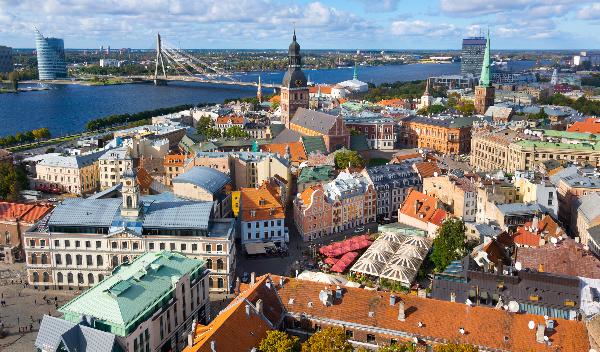
Riga Old Town (UNESCO): Home to the Dome Cathedral, St. Peter’s Church (with its towering spire), and the House of the Blackheads.
Art Nouveau District: Alberta iela and Elizabetes iela are streets lined with some of the most elaborate Art Nouveau buildings in Europe.
Central Market: Housed in massive former Zeppelin hangars, it’s one of Europe’s largest and most vibrant markets.
Latvian National Museum of Art: Showcases Latvian art from the 18th century to the present in a beautifully restored building.
The Three Brothers: The oldest dwelling houses in Riga, showing the development of domestic architecture.
Food & Drink
Traditional Latvian: Pelmeņi (dumplings), Skābeņu zupa (sorrel soup), and grey peas with bacon.
Must Try: Riga Black Balsam (Rīgas Melnais Balzams) – a potent herbal liqueur. Also, sample smoked fish from the Central Market.
The Nordic Extension: Stockholm & Helsinki
A ferry ride from either Tallinn or Riga provides an excellent opportunity to experience Scandinavia.
Stockholm, Sweden
The Swedish capital is spread across 14 islands, blending historic charm with modern Scandinavian design.
Attractions: Gamla Stan (Old Town), the Vasa Museum (home to a perfectly preserved 17th-century warship), Skansen open-air museum, and the ABBA Museum.
Cuisine: Meatballs with lingonberries, gravlax (cured salmon), and cinnamon buns (kanelbullar).. Don’t miss “fika”—the Swedish coffee break.
Helsinki, Finland
A short ferry from Tallinn, Helsinki is known for its functionalist architecture, design district, and proximity to nature.