A Comprehensive Travel Guide: Inverness to Eilean Donan Castle and the Isle of Skye
This guide details a classic Scottish Highlands itinerary, a loop journey that begins and ends in the vibrant city of Inverness. This route takes you through some of the most dramatic and iconic landscapes in the world, from the shores of mysterious lochs to the craggy peaks of the Cuillin mountains. The journey to Eilean Donan Castle and the Isle of Skye is more than just a trip; it’s an immersion into a land steeped in history, legend, and breathtaking natural beauty.
Part 1: Inverness – The Capital of the Highlands
Inverness is the natural gateway to the Scottish Highlands. Situated at the mouth of the River Ness and on the edge of the famous Loch Ness, it is a bustling, modern city that retains a strong sense of its historical past.
Attractions in Inverness
Inverness Castle: Perched on a cliff overlooking the river, the current castle building dates from the 19th century and houses courtrooms. While the interior is generally not open to the public, the grounds offer spectacular panoramic views of the city and the surrounding area. It’s a perfect starting point for any visit.
Loch Ness: Just a short drive southwest of the city, Loch Ness is synonymous with mystery and folklore. Whether you’re a believer in the Loch Ness Monster or not, the loch itself is a magnificent body of water, dark and deep. Consider a boat cruise from Dochgarroch or Drumnadrochit to fully appreciate its scale and atmosphere. The Loch Ness Centre & Exhibition in Drumnadrochit provides a scientific and historical look at the monster legend.
Culloden Battlefield: A short drive east of Inverness, Culloden is a site of profound historical significance. It was here in 1746 that the Jacobite rising was brutally crushed, changing the course of Scottish history forever. The visitor center offers an incredibly moving and immersive experience, and walking the moor itself is a somber and powerful experience.
Clava Cairns: Very close to Culloden, this prehistoric burial site features Bronze Age cairns and standing stones. The serene and ancient atmosphere provides a stark contrast to the nearby battlefield and is a must-see for history enthusiasts.
Food and Drink in Inverness
Inverness offers a fantastic food scene, from traditional pubs to fine dining restaurants. Look for local specialties like:
Cullen Skink: A creamy smoked haddock soup, a true Scottish comfort food.
Scottish Salmon: Sourced from the clean Highland waters.
Haggis, Neeps and Tatties: Don’t be intimidated by the ingredients; this savory pudding is a delicious and iconic dish. Many restaurants offer a vegetarian version.
Whisky: Visit a traditional pub like The Malt Room for a dram from one of the many local distilleries.
Transportation and Practical Tips for Inverness
Inverness is well-connected by train and has a small airport with flights to various UK destinations. The city center is very walkable. To embark on the journey to Skye, however, you will need to arrange transport.
Car Rental: The most flexible option. It is highly recommended to book well in advance, especially during peak season (May-September).
Organized Tours: Numerous companies run day trips and multi-day tours from Inverness to Skye, which take care of all logistics.
Public Bus: Scottish Citylink operates bus services from Inverness to Portree on Skye, which pass Eilean Donan Castle. This is a cost-effective option but offers less flexibility.
Part 2: The Journey West to Eilean Donan Castle
The drive from Inverness to the Isle of Skye is an attraction in itself. Taking the A82 south along Loch Ness before turning west at Invermoriston, you will traverse the stunning Great Glen and enter the rugged landscapes of Kintail.
The Route and Stops
Loch Ness (South Side): The road offers continuous, breathtaking views of the loch. Stop at the village of Fort Augustus to see the Caledonian Canal locks in action.
The Road to Glen Shiel: As you leave Loch Ness behind, the landscape becomes wilder. You are driving through Glen Moriston and into Glen Shiel, surrounded by majestic mountains known as the Five Sisters of Kintail.
Eilean Donan Castle
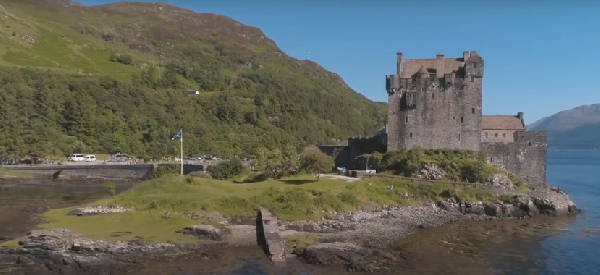
Perhaps the most photographed castle in Scotland, Eilean Donan is every bit as beautiful in reality as it is in pictures. It sits on a small tidal island where three great sea lochs meet, Loch Duich, Loch Long, and Loch Alsh, framed by the mountains of Kintail.
History: The original castle was built in the 13th century but was destroyed during a Jacobite uprising in 1719. It lay in ruins for almost 200 years until it was meticulously restored between 1912 and 1932 by Lieutenant Colonel John MacRae-Gilstrap.
The Visit: You can cross the stone footbridge and explore the castle interior. Rooms are furnished as they would have been in the early 20th century, complete with historical artifacts, Jacobite relics, and portraits of the MacRae family. The banqueting hall is particularly impressive.
Photography Tip: The classic shot is from the mainland, capturing the castle with its bridge and the loch backdrop. For a different perspective, walk along the shores to the west.
Practicalities: It’s a very popular site. Arriving early in the morning or later in the afternoon can help you avoid the largest crowds. The visitor center has a cafe and a gift shop.
Part 3: Crossing to the Isle of Skye
From Eilean Donan Castle, you are only a 15-minute drive from the Skye Bridge, which connects the mainland to the Isle of Skye. The bridge, opened in 1995, made access to the island much easier, replacing the old ferry system.
Portree – The Island’s Capital
Your first stop on Skye will likely be Portree, the island’s main town and hub. It’s a charming harbor town with colorful houses lining the quay.
Attractions: The harbor is the focal point, perfect for a stroll. You can book boat trips from here to see sea eagles, seals, and other marine life. The town has a good selection of shops, restaurants, and pubs.
Accommodation: Portree is the best place to base yourself if you rely on public transport or want a wide choice of amenities. Book accommodation months in advance for summer visits.
The Trotternish Peninsula Loop
This circular route north of Portree contains some of Skye’s most famous and geological spectacular sights.
The Old Man of Storr: A massive pinnacle of rock that juts out from one of the most dramatic landscapes on the island. The hike to its base is strenuous but incredibly rewarding, offering views over the Sound of Raasay.
Kilt Rock and Mealt Falls: A viewpoint overlooking a cliff that resembles a pleated kilt, with a waterfall cascading directly into the sea below. There is an easily accessible viewing platform.
The Quiraing: This is the most spectacular part of the Trotternish Ridge. A landslip has created an extraordinary landscape of twisted rock formations, hidden plateaus, and sheer cliffs. A walk through part of it is essential for able-bodied visitors.
Fairy Glen: Near Uig, this is a strangely beautiful, miniature landscape of conical grassy hills and ponds. It feels otherworldly and is much quieter than the main attractions.
The Cuillin Hills and West Coast
The jagged black Cuillin hills are a mecca for mountaineers and provide a stunning backdrop for the island’s south-western region.
Talisker Distillery: Located in Carbost, this is Skye’s oldest working distillery. A tour here is highly recommended to sample their iconic single malt Scotch whisky, known for its peppery finish.
Fairy Pools: A series of crystal-clear blue pools and waterfalls at the foot of the Black Cuillin. The walk to them is across open moorland and requires crossing streams, but the scenery is magical. Be prepared for changeable weather and wear sturdy, waterproof footwear.
Neist Point: The most westerly point on Skye, featuring a dramatic cliff-top lighthouse. It’s one of the best spots on the island for sunset views and potential whale or dolphin sightings.
Food and Culture on Skye
Skye has developed a reputation for excellent food, leveraging its local produce from land and sea.
Seafood: Don’t miss the opportunity to eat fresh langoustines, scallops, mussels, and oysters. The Oyster Shed near Talisker is a fantastic, casual spot.
Skye Ale: Try locally brewed beers from the Isle of Skye Brewing Company.
Fine Dining: Skye is home to The Three Chimneys, a world-renowned restaurant in Colbost that requires booking far in advance.
Gaelic Culture: Skye is a stronghold of Gaelic language and culture. Listen for it spoken in shops and pubs. Look out for local ceilidh (traditional music and dance) events.
Part 4: The Return Journey to Inverness
The most direct route back to Inverness from southern Skye is via the Skye Bridge. However, for a more scenic and memorable alternative, consider taking the
ferry from Armadale (Skye) to Mallaig (mainland). From Mallaig, you can drive north on the legendary “Road to the Isles,” passing through Glenfinnan (famous for its viaduct used in the Harry Potter films) and Fort William, before catching the A82 back to Inverness along Loch Lochy and Loch Ness. This completes a magnificent loop.
Essential Practical Travel Tips
Weather: The Highlands are famous for “four seasons in one day.” Pack layers, including a warm fleece and a high-quality waterproof and windproof jacket, regardless of the forecast. Sturdy, waterproof walking shoes are non-negotiable.
Midges: From late May to September, tiny biting insects called midges can be a nuisance, especially on still days near water. Pack a good insect repellent (local brands like “Smidge” are effective) and consider a midge head net for serious walks.
Driving: Roads are often single-track with passing places. The rule is to pull into a passing place on your *left* to let cars pass, or to let faster vehicles overtake you by pulling over. Be courteous and use passing places. Also, be aware of sheep wandering freely on the roads.
Booking: For summer travel, book everything well in advance – accommodation, car rental, ferry tickets (if applicable), and popular restaurant tables. Availability disappears quickly.
Cash: While credit/debit cards are widely accepted, it’s always wise to have some cash on hand for small cafes, parking meters, or tolls.
Respect: This is a living, working landscape. Respect the “Scottish Outdoor Access Code” – close gates behind you, take all your litter with you, keep dogs under control, and be considerate of residents and farmers.
This journey from Inverness to Eilean Donan Castle and the Isle of Skye encapsulates the raw beauty and deep soul of Scotland. It’s a trip that will leave you with memories of epic landscapes, warm hospitality, and a sense of connection to a wild and historic land.