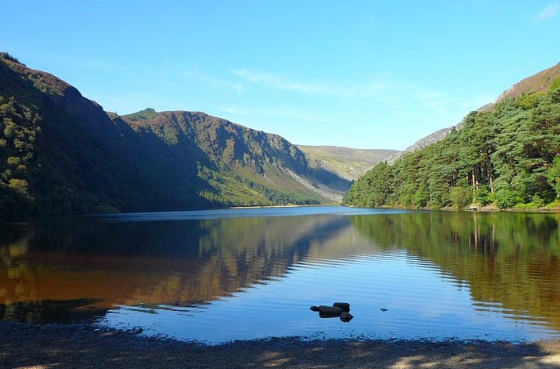
A Comprehensive Travel Guide: Dublin, Glendalough, Wicklow, Kilkenny Loop
This guide details a classic Irish road trip, a circular route starting and ending in the vibrant capital of Dublin. This journey takes you from the bustling streets of a modern European city, through the serene and ancient landscapes of the Wicklow Mountains, to the heart of Ireland’s medieval past in Kilkenny. It’s a tour that encapsulates the essence of Ireland: rich history, breathtaking nature, warm hospitality, and a vibrant cultural pulse.
Part 1: Dublin – The Vibrant Capital
Dublin is more than just a starting point; it’s a dynamic city where history and contemporary life intertwine seamlessly. A city of literature, music, and ‘craic’ (fun), it demands at least two to three days to be appreciated fully.
Key Attractions in Dublin
Trinity College and the Book of Kells: Walk through the hallowed grounds of Ireland’s oldest university, founded in 1592. The main draw is the Old Library, home to the breathtaking Long Room and the illuminated 9th-century gospel manuscript, the Book of Kells. The sheer scale and smell of old books in the Long Room is an experience in itself.
Dublin Castle: For centuries, this was the seat of British power in Ireland. The guided tour takes you through opulent state apartments, the medieval undercroft, and the beautiful Chapel Royal. It’s a tangible lesson in Irish history.
Guinness Storehouse: Even if you’re not a stout drinker, this multi-story experience dedicated to Ireland’s most famous export is fascinating. Learn about the brewing process, the history of the Guinness family, and most importantly, learn to pour the perfect pint in the Gravity Bar while enjoying a 360-degree view of the city.
Kilmainham Gaol: This former prison is a somber but essential visit. It played a profound role in modern Irish history, housing and executing the leaders of the 1916 Easter Rising. The tour is moving and provides crucial context for understanding Ireland’s struggle for independence. Booking tickets well in advance is absolutely essential.
St. Patrick’s Cathedral & Christ Church Cathedral: Two magnificent medieval cathedrals stand close to each other. St. Patrick’s, the national cathedral, is stunning with its history tied to Jonathan Swift, while Christ Church boasts a fascinating crypt and a strong Viking connection.
Temple Bar: This cobblestone quarter is famous for its vibrant nightlife, traditional music pubs, and colourful buildings. It can be very touristy and crowded, but it’s worth a stroll during the day or an evening to experience the buzz. For a more authentic pub experience, venture into areas like Stoneybatter or The Liberties.
Dublin Food & Drink
Traditional Pubs: The pub is the heart of Irish social life. Visit historic pubs like The Brazen Head (Ireland’s oldest pub), The Stag’s Head, or Mulligan’s for a pint of Guinness and traditional Irish music sessions.
Irish Stew and Seafood Chowder: These are staple dishes found on almost every menu. The stew is a hearty comfort food, while the chowder, made with fresh Irish seafood, is a coastal delight.
Modern Irish Cuisine: Dublin’s food scene has exploded. Explore restaurants that use high-quality local ingredients to create modern twists on classic dishes. The neighborhoods of Ranelagh and Portobello are particularly good for foodies.
Transportation in & out of Dublin
Getting Around: Dublin city center is very walkable. For longer distances, the LUAS (tram) and DART (coastal train) systems are efficient. Leap Cards offer discounted fares on public transport.
Renting a Car: Pick up your rental car on the day you plan to leave the city. Do not drive in Dublin city center if you can avoid it—traffic is heavy, parking is expensive and scarce, and the one-way systems are confusing.
Part 2: Into the Wild – Glendalough & Wicklow Mountains
Leaving Dublin behind, a short drive south will bring you into the “Garden of Ireland.” County Wicklow is renowned for its dramatic mountain scenery, deep glacial valleys, and serene lakes.
The Journey: The Sally Gap & Military Road
Instead of taking the main N11 road, opt for the more scenic R115 through the Sally Gap. This high mountain pass offers breathtaking, desolate landscapes of blanket bog, winding rivers, and panoramic views. It’s a taste of true wilderness just a short distance from the capital.
Key Attraction: Glendalough (Gleann dá Loch – “The Valley of the Two Lakes”)
This is one of Ireland’s most important monastic sites, founded by St. Kevin in the 6th century. Nestled in a beautiful valley, it’s a place of profound peace and historical significance.
The Monastic City: Explore the extensive ruins, including the perfectly round tower (over 30 meters tall), several stone churches, and Celtic crosses. The Round Tower was used as a bell tower, a storehouse, and a place of refuge during Viking raids.
The Lakes: Follow the walking trails from the visitor center to the Upper and Lower Lakes. The scenery is spectacular. The Spinc trail on the southern side of the Upper Lake offers a challenging but incredibly rewarding hike with stunning aerial views of the lake and valley.
Visitor Center Tip: Start at the excellent visitor center to understand the history and significance of the site through interactive exhibits.
Wicklow Town & Surroundings
The charming county town of Wicklow is worth a brief stop. See the historic gaol and the Black Castle ruins overlooking the sea. Further south, consider a detour to the stunning Powerscourt Estate & Gardens in Enniskerry, often cited among the world’s best gardens.
Practical Tips for Wicklow
Accommodation: Stay in a charming B&B or guesthouse in a village like Laragh or Roundwood for an authentic experience and easy access to Glendalough.
Weather: Mountain weather is highly changeable. Wear layers and waterproof clothing, even on a sunny day.
Driving: Roads in the mountains are narrow and winding. Drive cautiously and use designated passing places.
Part 3: The Medieval Marvel – Kilkenny
Heading south from Wicklow, you’ll enter the fertile plains of County Kilkenny, home to Ireland’s best-preserved medieval city. Kilkenny is compact, elegant, and brimming with history, craft, and a lively arts scene.
Key Attractions in Kilkenny
Kilkenny Castle: This magnificent castle dominates the city skyline. Originally a Norman fortress, it was later transformed into a luxurious residence for the Butler family. The tour of the opulent interiors and the sprawling parklands along the River Nore is a highlight.
St. Canice’s Cathedral & Round Tower: This 13th-century cathedral is Ireland’s second largest medieval cathedral after St. Patrick’s in Dublin. Climb the adjacent 9th-century round tower (if you have a head for heights) for an unparalleled view of the city and surrounding countryside.
The Medieval Mile: This trail connects Kilkenny Castle to St. Canice’s Cathedral through a network of cobbled lanes, medieval buildings, and historic sites. Key stops include Rothe House & Garden (a restored Tudor merchant’s house) and the Black Abbey.
Smithwick’s Experience Kilkenny: Located on the site of the former St. Francis Abbey Brewery where Smithwick’s Ale was brewed for over 300 years, this tour offers an engaging history of Ireland’s oldest ale. It’s a well-produced alternative to the Guinness Storehouse.
Kilkenny Food, Drink & Craft
Craft Breweries & Pubs: Kilkenny has a thriving craft beer scene. Visit Sullivan’s Taproom or the Brewery Corner for local brews. For traditional music, try Kyteler’s Inn, founded in 1324 by Alice Kyteler, who was accused of witchcraft.
Kilkenny Design Centre: Housed in the castle’s former stables, this is the best place to shop for high-quality Irish crafts, from pottery and knitwear to jewellery and glassware.
Food Scene: Kilkenny boasts excellent restaurants, cafes, and food markets showcasing produce from the surrounding “Marble County.”
Part 4: The Return Journey to Dublin
The drive back to Dublin from Kilkenny is straightforward via the M9/M7 motorways (approx. 1.5-2 hours). If you have time, consider these detours:
The Rock of Cashel: A significant detour west from Kilkenny, but utterly worth it for one of Ireland’s most spectacular historical sites. This group of medieval buildings stands majestically on a limestone outcrop, often called “St. Patrick’s Rock.”
Irish National Stud & Gardens: Located in Kildare, this is a world-class thoroughbred horse breeding facility. Even for non-racing fans, the Japanese Gardens and the delightful Fairy Trail are beautiful attractions.
Practical Travel Tips & Cultural Insights
Transportation: The Road Trip
Car Rental: Book your car in advance, especially for peak season (June-August). Automatic transmission cars are less common and more expensive; book early if you need one.
Driving in Ireland: You drive on the left. This cannot be overstated. Rural roads are often very narrow with high hedgerows. The number one rule is to slow down and use designated passing places—the car closest to the passing place pulls in. On blind corners, use your horn to alert oncoming traffic.
Tolls: The M50 motorway around Dublin is electronic toll-only (eFlow. You must pay online (www.eflow.ie) by 8pm the next day. Rental companies will handle it but will add a significant administrative fee.
Accommodation
Book Ahead: Especially during summer and around public holidays.
Types: Ireland offers a range from luxury castle hotels and city boutiques to charming Bed & Breakfasts (B&Bs) which provide a fantastic personal touch and a full “Irish breakfast.”
Cultural Etiquette & Insights
The “Craic”: This term encompasses fun, entertainment, and enjoyable conversation. “What’s the craic?” is a common greeting meaning “How are you?” or “What’s happening?”
Tipping: Not as obligatory as in North America. In restaurants, 10-15% for good service is customary if a service charge isn’t included. In pubs, you do not tip for a drink unless you’re ordering table service food.
The Pub: The pub is a social hub for all ages. It’s where people go to talk. Don’t be shy about striking up a conversation; Irish people are famously friendly and welcoming.
The Weather: Be prepared for “four seasons in one day.” Layers and a waterproof jacket are your best friends. Don’t let rain stop you—it’s part of the authentic Irish experience and often passes quickly.
A journey through Dublin, Glendalough, Wicklow, and Kilkenny offers a perfect microcosm of Ireland—a blend of ancient history and modern energy, serene landscapes and vibrant towns. It’s a trip that will leave you with memories of warm welcomes, profound beauty, and a deep connection to the Emerald Isle.