A Comprehensive Travel Guide: Edinburgh, Highlands, Glencoe & Loch Ness
This guide details a classic Scottish loop, taking travelers from the historic capital of Edinburgh, through the dramatic landscapes of the Highlands and Glencoe, to the legendary waters of Loch Ness, before returning to the city. This journey offers a perfect blend of urban culture and raw, natural beauty.
Trip Overview & Itinerary
This circular route is typically undertaken over 3 to 5 days, depending on the depth of exploration desired. The total driving distance is approximately 350-400 miles (560-650 km). The journey is best experienced by car or campervan for maximum flexibility, though guided tours and public transport are viable alternatives.
Day 1: Explore Edinburgh.
Day 2: Edinburgh to the Scottish Highlands (e.g., Pitlochry or Aviemore).
Day 3: Highlands to Glencoe and Fort Augustus (Loch Ness).
Day 4: Explore Loch Ness and return towards Edinburgh, perhaps via Loch Lomond.
Day 5: Return to Edinburgh for departure or further exploration.
Part 1: Edinburgh – The Athenian North
Edinburgh, Scotland’s capital, is a city of stark contrasts. Its history is palpable in every stone, from the medieval closes of the Old Town to the graceful Georgian terraces of the New Town, a UNESCO World Heritage Site.
Key Attractions in Edinburgh
Edinburgh Castle: Dominating the city skyline from Castle Rock, this historic fortress is home to the Crown Jewels of Scotland, the Stone of Destiny, and the National War Museum. The One O’Clock Gun is a daily tradition not to be missed.
The Royal Mile: This is the main thoroughfare of the Old Town, connecting Edinburgh Castle to the Palace of Holyroodhouse. It’s lined with shops, pubs, cafes, and hidden “closes” (narrow alleyways) that tell stories of the city’s past.
Palace of Holyroodhouse: The official residence of the British monarch in Scotland. Visitors can tour the state apartments and the ruins of Holyrood Abbey.
Arthur’s Seat: An ancient volcano in Holyrood Park, this hike offers a rewarding panoramic view of the entire city. It’s a relatively easy climb suitable for most fitness levels.
National Museum of Scotland: A fantastic, free museum chronicling Scottish history from the geological beginnings to the modern era, alongside international collections.
Edinburgh Food & Drink
Edinburgh’s culinary scene is vibrant and diverse. Traditional Scottish fare can be found alongside world-class modern cuisine.
Traditional Dishes: Try haggis, neeps and tatties (haggis with mashed turnips and potatoes), Cullen Skink (a creamy smoked haddock soup), and Scotch pies.
Whisky: Visit a traditional pub for a “dram” of Scotch whisky. The Scotch Whisky Experience on the Royal Mile offers educational tours for beginners and connoisseurs alike.
Food Markets: The Edinburgh Farmers’ Market (Saturday) and Stockbridge Market (Sunday) are excellent for fresh, local produce and artisanal foods.
Transportation in Edinburgh
The city center is very walkable. For longer distances, Lothian Buses provide an extensive and efficient network. Taxis and ride-sharing services are readily available. Edinburgh Waverley is the main train station, with excellent connections to the rest of the UK.
Accommodation in Edinburgh
Options range from luxury hotels on Princes Street and George Street to charming guesthouses in the New Town and budget-friendly hostels in the Old Town. Booking well in advance is crucial, especially during the summer and festival seasons.
Part 2: Into the Scottish Highlands
Leaving Edinburgh, the journey north signifies a shift from urban grandeur to untamed wilderness. The Highlands are characterized by deep lochs, rolling glens, and towering mountains.
The Journey North
The route north often passes by Stirling and its iconic castle, then into the Perthshire region, known as “Big Tree Country.” A popular first stop is
Pitlochry, a charming Victorian town ideal for a break. Further north lies the Cairngorms National Park, home to the UK’s highest mountain range and wildlife including red deer and capercaillie.
Key Attractions in the Central Highlands
The Queen’s View, Loch Tummel: A stunning viewpoint overlooking Loch Tummel, famously admired by Queen Victoria.
Blair Castle: The ancient seat of the Dukes of Atholl, this white-washed castle offers a glimpse into Highland aristocratic life.
Cairngorms Reindeer Herd: Near Aviemore, this is the UK’s only free-ranging reindeer herd, and visitors can take a hill trip to meet them.
Highlands Food & Drink
The Highlands are known for their high-quality local produce.
Local Specialties: Look for venison, fresh salmon and trout from Highland rivers, and game birds.
Whisky Distilleries: The Speyside region, on the northeastern edge of the Cairngorms, is famous for its distilleries like Glenfiddich and The Macallan. Many offer tours and tastings.
Accommodation in the Highlands
Options include cozy B&Bs in small towns like Kingussie or Newtonmore, self-catering cottages for families or groups, and luxurious castle hotels for a special treat. Aviemore is a major hub with a wide range of accommodations.
Part 3: Glencoe – The Valley of Weeping
Driving west from Fort William, travelers enter Glencoe, one of Scotland’s most dramatic and hauntingly beautiful landscapes. Its steep-sided glen was formed by glacial activity and volcanic eruptions, creating a scene of breathtaking scale.
Key Attractions in Glencoe
The Glencoe Valley Scenery: Simply driving through the A82 road is an attraction in itself. Pull over at designated lay-bys to fully absorb the views of the Three Sisters mountains and Buachaille Etive Mòr.
Glencoe Visitor Centre (NTS): An excellent starting point that provides context on the area’s geology, history, and wildlife. It also tells the story of the infamous 1692 Massacre of Glencoe.
Glencoe Lochan: A peaceful woodland walk around a small lochan, surprisingly reminiscent of a North American landscape, created by a previous landowner for his homesick Canadian wife.
Hiking and Outdoor Activities: Glencoe is a paradise for hillwalkers and climbers. Popular routes include the hike to the Lost Valley (Coire Gabhail) and the challenging ascent of Buachaille Etive Mòr.
Cultural Insight: The Massacre of Glencoe
The glen’s name is synonymous with the 1692 massacre, where members of the MacDonald clan were murdered by government soldiers who had accepted their hospitality. This breach of Highland custom left a deep scar on Scottish history and adds a layer of solemnity to the landscape.
Accommodation near Glencoe
The nearby village of Glencoe offers hotels and B&Bs. The larger town of Fort William, to the north, has more options. For a unique experience, consider staying in one of the remote lodges or inns within the glen itself.
Part 4: Loch Ness & The Great Glen
Continuing north from Glencoe, the route follows the Great Glen fault line to the most famous loch in the world: Loch Ness.
Key Attractions around Loch Ness
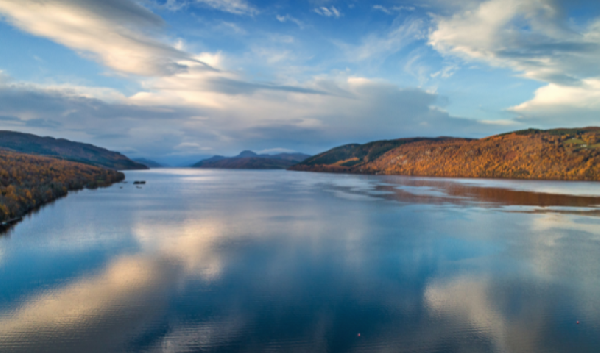
The Loch Itself: At 23 miles long and over 700 feet deep, Loch Ness contains more freshwater than all the lakes in England and Wales combined. Its dark, peaty waters are what fuel the legend of Nessie.
Urquhart Castle: These picturesque ruins on the shores of Loch Ness offer one of the most iconic views in Scotland. The castle’s history is as turbulent as the loch itself, having been a key medieval fortress.
Loch Ness Centre & Exhibition: Located in Drumnadrochit, this exhibition takes a scientific and historical look at the loch and the legend of the Loch Ness Monster, presenting the evidence in an engaging way.
Caledonian Canal & Fort Augustus: At the southern end of Loch Ness, the village of Fort Augustus is where you can watch boats navigate the impressive flight of locks on the Caledonian Canal.
Boat Tours: Numerous companies offer cruises on Loch Ness from various points, providing a different perspective from the water and sonar equipment to “search” for Nessie.
The Legend of Nessie
The myth of the Loch Ness Monster dates back centuries but gained global fame in 1933. Whether a plesiosaur, a giant eel, or simply waves and logs, “Nessie” has become an integral part of Scottish folklore and a major tourist draw.
Accommodation around Loch Ness
The villages of Drumnadrochit and Fort Augustus are the main hubs, offering hotels, B&Bs, and guesthouses. There are also many secluded lodges and self-catering options along the loch’s quieter shores.
The Return Journey to Edinburgh
The return leg from Loch Ness to Edinburgh offers several scenic options. The most popular is traveling south via Loch Lomond and The Trossachs National Park.
Route via Loch Lomond: This route takes you along the western shore of “The Bonnie Banks o’ Loch Lomond,” Britain’s largest lake by surface area. The landscape is softer than Glencoe but equally beautiful.
The Trossachs: Often called “The Highlands in Miniature,” this area was romanticized by Sir Walter Scott. The town of Callander is a good stopping point.
The Kelpies & The Falkirk Wheel: For a modern contrast, consider a detour to see The Kelpies, giant horse-head sculptures, and the unique rotating boat lift, the Falkirk Wheel.
Practical Travel Information
Transportation: How to Get Around
Car/Campervan Rental: Offers the most freedom. Book well in advance. Remember to drive on the left and be prepared for narrow, single-track roads where you must use passing places.
Guided Tours: Numerous companies run multi-day tours from Edinburgh covering this exact route. This is a stress-free option that includes transportation, accommodation, and a knowledgeable guide.
Public Transport: Possible but requires careful planning. Trains run from Edinburgh to Inverness (north of Loch Ness), and buses connect key towns. However, reaching remote spots like Glencoe is more challenging without a car.
When to Go
Summer (June-August): Long daylight hours (nearly 18 hours in the north) and warmer weather. This is peak season, so it will be busy.
Spring (April-May) & Autumn (September-October): Fewer crowds, beautiful colors (spring blossoms or autumn foliage). Weather can be more unpredictable but often still good.
Winter (November-March): Short days but a chance to see snow on the mountains, creating dramatic scenery. Some attractions may have reduced hours, and road conditions need to be checked carefully.
What to Pack
The Scottish weather is famously changeable. “Four seasons in one day” is a common saying. Be prepared for all conditions.
Layered Clothing: A waterproof and windproof outer jacket is essential. Pack fleeces, sweaters, and thermal base layers.
Sturdy Footwear: Waterproof hiking boots or shoes are highly recommended for exploring glens and loch shores.
Midge Repellent: From late May to September, tiny biting insects called midges can be a nuisance in still conditions, especially in the west. A repellent like “Smidge” is vital.
Camera, Power Bank, and Adapter: You will not want to stop taking pictures.
A Journey Through Scotland’s Soul
The circuit from Edinburgh to the Highlands, Glencoe, and Loch Ness is more than just a tourist route; it is an immersion into the heart of Scotland. It captures the nation’s spirit—its resilient history, its enduring myths, and its profound connection to a landscape that is at once beautiful and formidable. This journey leaves travelers with not just photographs, but with a deep-seated memory of Scotland’s wild soul.