Iberian Peninsula Grand Tour: Spain & Portugal Travel Guide
This comprehensive guide covers a classic route through the cultural heartlands of Spain and Portugal, from Madrid to Barcelona, including historic cities, stunning coastlines, and architectural marvels.
Journey Overview
This itinerary connects two distinct yet complementary cultures across the Iberian Peninsula. The route spans approximately 3-4 weeks, covering world-renowned cities, UNESCO World Heritage sites, dramatic landscapes, and coastal treasures. Travelers will experience the rich history, diverse architecture, and culinary traditions that define these nations.
Route Summary
Countries: Spain, Portugal
Major Cities: Madrid, Toledo, Salamanca, Porto, Coimbra, Lisbon, Seville, Córdoba, Ronda, Mijas, Granada, Valencia, Barcelona
Notable Stops: Sintra, Cabo da Roca, Cascais
Recommended Duration: 21-28 days
Best Travel Method: Combination of high-speed trains, regional buses, and rental car for specific segments (like Andalusia).
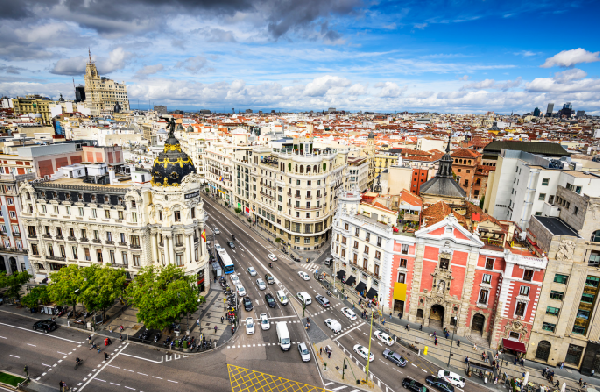
Madrid, Spain
The vibrant capital of Spain, located in the geographical center of the country. Madrid is known for its elegant boulevards, expansive parks, world-class art museums, and lively nightlife.
Key Attractions
Prado Museum (Museo del Prado): One of the world’s finest art galleries, housing masterpieces by Goya, Velázquez, and El Greco.
Royal Palace (Palacio Real): The official residence of the Spanish Royal Family, showcasing opulent state rooms and historical collections.
Plaza Mayor: A grand square in the heart of Madrid, surrounded by Baroque buildings and bustling with cafes.
Retiro Park (Parque del Buen Retiro): A 125-hectare green oasis featuring a large boating lake, the Crystal Palace, and numerous gardens.
Puerta del Sol: A central public square considered the symbolic center of Spain, marked by the “Kilometer Zero” plaque.
Practical Information: Madrid
Getting There: Adolfo Suárez Madrid–Barajas Airport (MAD) is a major international hub. High-speed trains (AVE) connect Madrid to other Spanish cities.
Getting Around: Efficient Metro system, buses, and taxis. The city center is very walkable.
Recommended Stay: 3-4 days.
Culinary Specialties: Cocido Madrileño (hearty chickpea stew), Churros con Chocolate, Tapas in the La Latina district.
Toledo, Spain
A UNESCO World Heritage city perched on a hill overlooking the Tagus River. Known as the “City of Three Cultures” for its historical coexistence of Christian, Muslim, and Jewish communities.
Key Attractions
Toledo Cathedral: A magnificent High Gothic cathedral with a rich interior including El Greco’s works.
Alcázar of Toledo: A formidable stone fortress dominating the city’s skyline, now housing an Army Museum.
Synagogue of Santa María la Blanca: A stunning former synagogue built in Moorish architectural style.
Museum of El Greco: Dedicated to the painter Doménikos Theotokópoulos, who spent much of his life in Toledo.
Wandering the Old Town: Get lost in the labyrinthine medieval streets.
Practical Information: Toledo
Getting There: ~30-minute high-speed train from Madrid’s Atocha station. Frequent service.
Getting Around: The city is best explored on foot. Be prepared for steep hills and stairs. Public escalators help access the historic center from outside the walls.
Recommended Stay: Day trip from Madrid or 1 night.
Culinary Specialties: Marzipan (mazapán), Carcamusas (a local pork stew), Partridge (Perdiz).
Salamanca, Spain
A stunning university city known for its golden-hued sandstone architecture and one of Europe’s oldest and most prestigious universities. The entire old center is a UNESCO World Heritage site.
Key Attractions
Plaza Mayor: Often considered Spain’s most beautiful main square, a Baroque masterpiece surrounded by arches and cafes.
Salamanca University: Visit the historic university buildings, including the ornate facade where visitors search for the hidden frog.
Old and New Cathedrals (Catedral Vieja y Catedral Nueva): Two connected cathedrals showcasing Romanesque and Gothic/Baroque styles respectively.
Casa de las Conchas: A Gothic palace famous for its facade adorned with over 300 carved scallop shells.
Convento de San Esteban: A magnificent Dominican monastery with a stunning Plateresque facade.
Practical Information: Salamanca
Getting There: ~2 hours by train from Madrid. Well-connected by bus and train.
Getting Around: The compact historic center is easily walkable.
Recommended Stay: 1-2 days.
Culinary Specialties: Hornazo (a savory meat-stuffed pastry), Jamón Ibérico, and Charro-style dishes.
Porto, Portugal
Portugal’s second city, built into hills overlooking the Douro River. Famous for its port wine production, colorful riverside district (Ribeira), and iconic bridges.
Key Attractions
Ribeira District: A UNESCO World Heritage site with narrow,cobbled streets and colorful houses lining the riverfront.
Livraria Lello: A historic bookstore renowned for its stunning neo-Gothic interior and intricate wooden staircase, often cited as an inspiration for J.K. Rowling.
Clérigos Tower (Torre dos Clérigos): A iconic 76-meter tall bell tower offering panoramic views of the city.
Port Wine Cellars (Caves do Vinho do Porto): Cross the Dom Luís I Bridge to Vila Nova de Gaia for tours and tastings at famous port houses like Taylor’s, Graham’s, and Sandeman.
Palácio da Bolsa: A 19th-century neoclassical palace featuring the spectacular Arabian Hall.
Practical Information: Porto
Getting There: Francisco Sá Carneiro Airport (OPO). Direct trains from Lisbon (~3 hours) and from Spain (requires connection). Buses also available from Salamanca.
Getting Around: Walkable but hilly. Metro system is efficient for longer distances. The historic tram line 1 runs along the river.
Recommended Stay: 2-3 days.
Culinary Specialties: Francesinha (a hearty sandwich), Tripas à Moda do Porto (tripe stew), Bacalhau (salt cod) dishes, and of course, Port Wine.
Coimbra, Portugal
A historic city straddling the Mondego River, home to one of the world’s oldest universities. The university’s hilltop presence defines the city’s atmosphere.
Key Attractions
University of Coimbra – Alta and Sofia: A UNESCO World Heritage site. Highlights include the Joanina Library (Baroque jewel), the Royal Palace (Paço das Escolas), and the University Tower.
Sé Velha (Old Cathedral): A fine example of Romanesque architecture in Portugal.
Santa Clara-a-Velha: The ruins of a Gothic monastery partially submerged by the river, now with a modern visitor center.
Portugal dos Pequenitos: A theme park with miniature versions of Portuguese landmarks, ideal for families.
Listen to Fado de Coimbra: A unique and melancholic style of Fado music traditionally sung by male university students.
Practical Information: Coimbra
Getting There: ~1 hour by train from Porto. ~2 hours by train from Lisbon. A convenient stop on the main north-south rail line.
Getting Around:The city center is walkable, but be prepared for a steep climb up to the university. Buses and taxis are available.
Recommended Stay: