A Comprehensive Travel Guide to Cairo and the Giza Plateau
Stepping into Cairo is like opening a living, breathing history book where ancient pharaohs, medieval sultans, and a vibrant modern populace coexist. This sprawling metropolis, known as
Umm ad-Dunya (the Mother of the World), is a sensory overload in the best possible way. At its heart lies the timeless allure of the Giza Pyramids, a testament to human ingenuity that has captivated travelers for millennia. This guide will navigate you through the essential experiences of Cairo, from the monumental wonders of the ancient world to the bustling life of its contemporary streets.
Part 1: The Giza Pyramid Complex – Echoes of Eternity
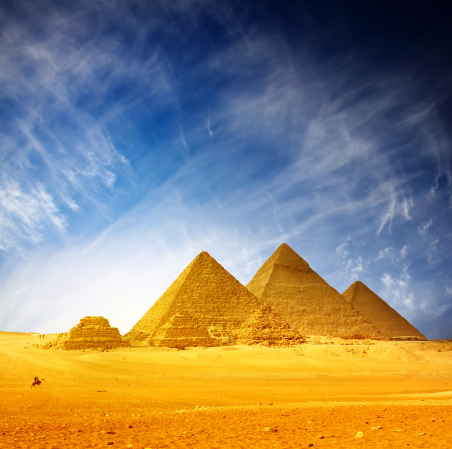
The Giza Plateau is not merely an attraction; it is a pilgrimage. The sight of the Pyramids rising from the desert haze, with the sprawling city of Cairo as a backdrop, is an image that stays with you forever. This vast necropolis was constructed over an 85-year period during the Fourth Dynasty of Egypt’s Old Kingdom (circa 2580–2560 BC).
The Major Monuments
The Great Pyramid of Khufu (Cheops): The sole surviving wonder of the ancient world, its scale is staggering. Originally standing at 146.6 meters, it was the tallest man-made structure in the world for over 3,800 years. The precision of its construction, with millions of limestone blocks, continues to inspire awe and debate. An optional, claustrophobic but unforgettable experience is to climb up the narrow ascending corridors to the King’s Chamber deep inside the pyramid.
The Pyramid of Khafre (Chephren): Appearing taller than Khufu’s pyramid due to its elevated foundation, this pyramid retains some of its original smooth limestone casing at its apex. It is part of a more complete complex, including a mortuary temple, a causeway, and the Valley Temple.
The Pyramid of Menkaure (Mykerinos): The smallest of the three main pyramids, it is accompanied by three smaller “Queen’s Pyramids.” Its complex was never fully completed.
The Great Sphinx: Carved from a single outcrop of limestone, this recumbent lion with the head of a pharaoh (believed to be Khafre) is the world’s oldest known monumental sculpture. Gazing into its weathered face, partially eroded by wind and sand, is a profoundly humbling experience. The nearby Valley Temple of Khafre, built with massive blocks of red granite and alabaster, offers a glimpse into the funerary rituals of the pharaohs.
Practical Tips & Local Insights for Giza
Best Time to Visit: Arrive at opening time (usually 8:00 AM) to avoid the worst of the heat and the largest tour groups. The light is also best for photography in the early morning and late afternoon.
Getting Around the Plateau: The complex is vast. Walking between the main pyramids is possible but can be exhausting under the sun. It’s highly recommended to hire a camel or a horse-drawn carriage for a few hours. Negotiate the price and route firmly before you set off.
Navigating the Touts: The plateau is famous for its persistent vendors and guides. A firm but polite “La, shukran” (No, thank you) is your best tool. Do not hand over your camera or phone to anyone offering to take your picture unless you are prepared to pay for the service.
The Sound and Light Show: Held in the evenings in multiple languages, this show uses dramatic narration and lighting to tell the history of the pyramids. It’s a touristy but atmospheric experience. Check the schedule for language rotations.
What to Bring: Water, sunscreen, a hat, sunglasses, and cash (Egyptian Pounds) for tickets, camels, and small purchases.
Part 2: The Grand Egyptian Museum (GEM) – A New Dawn for Antiquities
While not fully open at the time of writing, the Grand Egyptian Museum (GEM) represents the future of Egyptology. Located on the Giza Plateau, about 2 kilometers from the pyramids, it is poised to be the world’s largest archaeological museum.
The GEM is designed to offer a completely new narrative of ancient Egypt. Its most significant achievement will be the display of the
complete collection of Tutankhamun’s treasures for the first time ever. Over 5,000 items from the boy king’s tomb will be exhibited across two dedicated halls, providing an unprecedented insight into royal life and burial practices.
The grand staircase alone is an attraction, flanked by a majestic array of 87 statues of kings and gods, leading up to a panoramic glass wall with a stunning view of the pyramids. The museum aims to contextualize artifacts with state-of-the-art technology, virtual reality, and interactive displays, making ancient history accessible and engaging for all visitors.
Practical Tips & Local Insights for GEM
Check Opening Status: As its opening has been highly anticipated for years, it is crucial to check the official GEM website or with your tour operator for the latest information on partial or full public access.
Allocate Ample Time: Once fully operational, this museum will be vast. Plan to spend at least half a day, if not a full day, to do it justice.
Combining with Giza: Its proximity to the pyramids makes it logical to visit both on the same day. Consider visiting GEM in the morning to build context before seeing the pyramids in the afternoon, or vice versa.
Part 3: Exploring Islamic and Coptic Cairo – A Tapestry of Faiths
Beyond the Pharaonic era, Cairo’s history is richly layered with Islamic and Christian heritage. Exploring these districts feels like stepping into a different century.
Islamic Cairo
The heart of historic Cairo, this area is a labyrinthine maze of narrow lanes, bustling souqs, and magnificent medieval architecture. Start at the
Citadel of Saladin, a fortified complex begun in the 12th century. Its crown jewel is the Mosque of Muhammad Ali, also known as the Alabaster Mosque, with its towering domes and minarets offering breathtaking panoramic views of the city.
From there, descend into
Khan el-Khalili Bazaar. This world-famous market is a vibrant hub of commerce where you can find everything from perfumes and spices to lanterns and jewelry. Embrace the chaos, enjoy a mint tea at the historic El Fishawy café, and practice your haggling skills—it’s part of the experience.
Don’t miss walking down
Al-Muizz Street, one of the oldest streets in Cairo, often called an “open-air museum” for its density of stunning Islamic monuments, including madrasas (theological schools), mosques, and sabils (public water fountains).
Coptic Cairo
This peaceful enclave, nestled within the walls of the ancient Roman fortress of Babylon, is the historic heart of Egypt’s Christian community. Key sites include:
The Hanging Church (Al-Muallaqa): Built atop the fortress’s southern gate, this 7th-century church is one of Cairo’s oldest Christian places of worship.
The Church of St. Sergius and Bacchus (Abu Serga): Believed to be built on the spot where the Holy Family rested during their flight into Egypt.
The Ben Ezra Synagogue: A beautiful structure with a history as rich and complex as Cairo itself, located near the churches.
The Coptic Museum: Houses a world-class collection of Coptic art and artifacts, showcasing the unique blend of Pharaonic, Greco-Roman, and Christian influences.
Part 4: The Culinary Landscape – A Feast for the Senses
Egyptian cuisine is hearty, flavorful, and deeply satisfying. It’s a cornerstone of the cultural experience.
Koshari: The undisputed national dish. A carb-lover’s dream of rice, lentils, chickpeas, and macaroni, topped with a spicy tomato sauce and crispy fried onions. It’s cheap, delicious, and available everywhere. Try it at a dedicated koshari restaurant like Abou Tarek.
Ful Medames & Ta’meya (Falafel): The classic Egyptian breakfast. Ful is a stew of fava beans flavored with garlic, lemon, and oil, while Ta’meya are fava bean falafel, distinct from their Levantine chickpea counterparts. Eaten with fresh pita bread.
Grilled Meats (Kofta & Kebab): Skewers of spiced minced meat (kofta) or chunks of marinated lamb (kebab) are a staple. Best enjoyed at a local grill house.
Molokhia: A green soup made from jute leaves, often served with rabbit or chicken. It has a unique, slightly slimy texture (like okra) but is incredibly flavorful.
Street Food & Sweets: Don’t miss Hawawshi (spiced meat stuffed in pita and baked) or Fiteer (a flaky Egyptian pastry, either savory or sweet). For dessert, try Umm Ali (a warm bread pudding) or Konafa and Basbousa (syrup-soaked semolina cakes).
Drinks: Drink endless glasses of sweetened black tea (shai) or Turkish coffee. For something truly local, try Karkadeh, a refreshing hibiscus tea served hot or cold.
Part 5: Practical Travel Information
Transportation: Navigating the City
Taxis and Ride-Hailing: Uber and Careem are widely used in Cairo and are highly recommended for tourists. The price is fixed via the app, eliminating haggling and confusion. Traditional black-and-white taxis are also available but require negotiating the fare before you get in.
The Cairo Metro: Africa’s first metro system is fast, cheap, and efficient for traveling along key north-south routes. Note that the first carriage on every train is reserved for women only, which can be a more comfortable option for female travelers.
Private Drivers & Tours: For day trips to sites like Giza, Saqqara, and Dahshur, hiring a private driver for the day is an affordable and stress-free option arranged through your hotel or a tour company.
Cairo Pro-Tips & Cultural Etiquette
Bargaining: Expected in markets (souqs) and for private transport like taxis (not Uber) and camel rides. Start at about half the asking price and negotiate with a smile. It’s a social interaction, not a confrontation.
Tipping (Baksheesh): Tipping is ingrained in the culture for even small services. Keep small Egyptian Pound notes (5, 10, 20 EGP) handy for restroom attendants, anyone who gives you directions or a small service, waitstaff, etc.
Dress Code: While Cairo is relatively liberal, dressing modestly is respectful and will reduce unwanted attention. For both men and women, clothing that covers shoulders and knees is advisable, especially when visiting mosques or churches.
Respectful Conduct in Mosques: You will be required to remove your shoes before entering. Women will need to cover their hair; scarves are usually available for rent at the entrance.
A Note on Safety & Hassle: Cairo is generally safe regarding violent crime. The main challenge for tourists is the constant low-level hassle from touts and vendors. Stay aware, be firm and polite, don’t feel obligated to respond to every call, and trust your instincts.
A Simple “Hello”: Learning a few words of Arabic goes a long way. “Salaam Aleikum” (Peace be upon you) is the standard greeting, to which the response is “Wa Aleikum as-Salaam” (And upon you be peace). “Shukran” means thank you.
Cairo is a city that demands to be felt as much as it is seen. It can be chaotic and challenging, but its energy is infectious, its history profound, and its people resiliently warm. From the silent majesty of the pyramids at dawn to the cacophonous symphony of Khan el-Khalili at dusk, a journey here is not just a trip—it’s an immersion into the enduring story of humanity itself.