An In-Depth Travel Guide to Iceland’s Ring Road Highlights: Reykjavik, Golden Circle, Jökulsárlón & More
Iceland, the land of fire and ice, offers a travel experience unlike any other. Its dramatic landscapes are a study in contrasts, where volcanic terrain meets immense glaciers, and geothermal energy powers a vibrant, modern culture. This guide details a classic Icelandic itinerary, focusing on the vibrant capital and the stunning natural wonders of the southwest and south coast.
Part 1: Reykjavik – The Northernmost Capital
Your Icelandic adventure will likely begin in Reykjavik, a compact, colorful, and cosmopolitan city that serves as the perfect gateway to the wild landscapes beyond. Despite its small size, it is a hub of culture, history, and excellent cuisine.
Key Attractions in Reykjavik
Hallgrímskirkja Church: This iconic concrete church, inspired by Iceland’s basalt lava flows, dominates the city skyline. Take the elevator up the bell tower for a breathtaking 360-degree panoramic view of the city’s colorful rooftops, the sea, and the surrounding mountains.
Harpa Concert Hall: A architectural masterpiece on the waterfront, Harpa’s geometric glass facade reflects the sky and sea, creating a mesmerizing play of light. Even if you don’t attend a concert, wandering through its interior is a must.
Sun Voyager (Sólfar): This striking steel sculpture of a Viking ship-dream boat is located by the sea. It’s a popular spot for photos, especially at sunset, with views of Mount Esja in the background.
Perlan (The Pearl): Situated on Öskjuhlíð hill, this glass-domed building offers another superb viewing platform. Its “Wonders of Iceland” exhibition includes a real indoor ice cave and a fascinating nature museum.
The Old Harbour: A lively area where you can book whale watching tours, visit museums like the Reykjavik Maritime Museum, or simply enjoy the atmosphere of the working docks.
Food & Culture in Reykjavik
Icelandic cuisine has evolved dramatically, moving beyond its traditional roots to embrace New Nordic innovation.
Traditional Tastes: For the adventurous eater, sample hákarl (fermented shark), or try plokkfiskur (a hearty fish stew). A more accessible classic is the Icelandic hot dog, or pylsa, from Bæjarins Beztu Pylsur, famously topped with crispy onions, raw onions, ketchup, pylsusinnep (a sweet brown mustard), and remoulade.
Modern Icelandic Cuisine: Reykjavik boasts a world-class food scene. Restaurants like Dill, Matarkjallarinn (Food Cellar), and Grillmarkaðurinn (Grill Market) focus on locally-sourced ingredients like lamb, skyr, and fresh seafood prepared with modern techniques.
Café Culture: Reykavik has a thriving coffee shop culture. Spend a morning in a cozy café like Reykjavik Roasters, sipping coffee and watching the world go by.
Nightlife: The city is known for its weekend nightlife, which starts late and goes into the early hours. Laugavegur Street is the main strip for bars and clubs.
Practical Tips for Reykjavik
- The city is very walkable. Most main attractions are within a 20-30 minute walk from each other.
- Public buses (Strætó) are available, but consider purchasing a Reykjavik City Card for free bus travel and entry to many pools and museums.
- Tipping is not customary in Iceland.
Part 2: The Golden Circle – Iceland’s Classic Day Trip
The Golden Circle is a 300-kilometer loop from Reykjavik that showcases three of Iceland’s most famous sites. It’s easily accessible and provides a concentrated dose of the country’s geological wonders.
Þingvellir National Park
A site of profound historical and geological significance. This is where the North American and Eurasian tectonic plates are pulling apart at a rate of about 2 cm per year, creating a vast rift valley. You can literally walk between two continents. It’s also the site of the Alþingi, the world’s oldest existing parliament, established in 930 AD. Don’t miss the beautiful Öxarárfoss waterfall within the park.
Geysir Geothermal Area
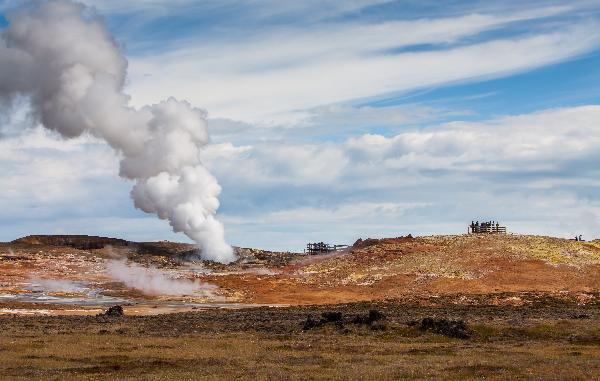
This is a hotbed of geothermal activity. The Great Geysir, from which all others get their name, is mostly dormant now. However, its neighbor, Strokkur, erupts reliably every 5-10 minutes, shooting a column of boiling water 15-20 meters (50-65 feet) into the air. The entire area is filled with bubbling mud pots, fumaroles hissing steam, and colorful mineral deposits.
Gullfoss Waterfall
The “Golden Falls” is a massive, two-tiered waterfall on the Hvítá River. As you approach, the crevice seems to disappear into the earth. Walk along the paths to feel the powerful mist on your face and witness the water cascading 32 meters down into the canyon. On sunny days, rainbows are almost always present in the spray.
Practical Tips for the Golden Circle
- This can be done as a day trip from Reykjavik by rental car or guided tour.
- Start early to avoid the largest crowds from tour buses.
- The weather can change rapidly; wear layers and a waterproof jacket.
- Consider adding a stop at the Friðheimar tomato farm for a lunch inside a greenhouse.
Part 3: The South Coast to Jökulsárlón Glacier Lagoon
Traveling east from the Golden Circle along Iceland’s Ring Road (Route 1), you’ll encounter some of the country’s most spectacular and diverse scenery: powerful waterfalls, black sand beaches, and glacial lagoons.
Seljalandsfoss Waterfall
One of Iceland’s most photographed waterfalls, Seljalandsfoss is elegant and unique. A path leads you behind the 60-meter curtain of water, offering a “behind-the-falls” perspective. Be prepared to get wet! Waterproof clothing and non-slip shoes are essential. Just a short walk away is the hidden Gljúfrabúi waterfall, partially concealed inside a canyon.
Skógafoss Waterfall
A short drive east lies Skógafoss, a mighty, broad waterfall that crashes down 60 meters with immense power. On sunny days, a single or even double rainbow is often visible directly in front of it. A steep staircase runs alongside the waterfall, leading to a viewing platform at the top that offers stunning views of the south coast. This is also the starting point for the famous Fimmvörðuháls hiking trail.
The South Coast & Black Sand Beaches
The coastline here is dramatic, characterized by vast black sand beaches formed from volcanic ash. The most famous is Reynisfjara, near the village of Vík. Be mesmerized by the towering basalt sea stacks of Reynisdrangar rising from the ocean and the geometric basalt columns of the cliff face.
Extreme caution is required here: The waves are unpredictable and powerful “sneaker waves” can rush far up the beach without warning. Always keep a safe distance from the water and never turn your back on the ocean.
Jökulsárlón Glacier Lagoon & Diamond Beach
This is often considered the crown jewel of the south coast. Jökulsárlón is a vast glacial lagoon filled with icebergs that have calved from the Breiðamerkurjökull glacier. The icebergs float serenely in the milky-blue, ice-choked water before drifting out to sea. Take an amphibious boat or zodiac tour to get up close to the ice. Across the road, on the black sand beach of Breiðamerkursandur, smaller icebergs wash ashore, glittering like diamonds against the dark sand—hence the name “Diamond Beach.” It’s a photographer’s paradise, especially at sunrise or sunset.
Blue Ice Cave Exploration
Important Note: Ice caving is a seasonal activity, typically only available from approximately November to March. These natural caves form at the edge of glaciers and are an ethereal blue due to the compressed ice absorbing all colors of the spectrum except blue. Accessing an ice cave requires a guided tour with a certified glacier guide. It is extremely dangerous to attempt this on your own. Tours usually depart from Jökulsárlón or Skaftafell and provide all necessary safety equipment.
Practical Tips for the South Coast
- This journey requires at least one full day from Reykjavik to Jökulsárlón and back, but two days are highly recommended to explore at a leisurely pace and stay overnight in Vík or Kirkjubæjarklaustur.
- Check road conditions (on road.is) and weather forecasts (vedur.is) diligently, especially in winter.
- Fuel up when you see a gas station, as they can be sparse in certain sections.
- Respect all warning signs at Reynisfjara beach.
Part 4: The Blue Lagoon & Sky Lagoon – Geothermal Relaxation
No trip to Iceland is complete without experiencing its geothermal spas. While there are many local swimming pools, two commercial lagoons are world-famous.
The Blue Lagoon
Located in a lava field on the Reykjanes Peninsula, conveniently situated between Keflavik Airport and Reykjavik, the Blue Lagoon is an iconic destination. Its milky-blue, mineral-rich waters are renowned for their skin-healing properties. The experience is highly curated, with swim-up silica mud masks and in-water drink service. It’s advisable to book your slot weeks or even months in advance, as it sells out regularly.
The Sky Lagoon
A newer rival in Reykjavik, Sky Lagoon offers a more dramatic coastal view with an infinity-edge pool overlooking the North Atlantic Ocean. Its signature “7-Step Ritual” includes a cold plunge, sauna, sky view, and body scrub, providing a more immersive wellness experience rooted in Icelandic tradition.
Practical Tips for the Lagoons
Shower Naked: It is mandatory (and culturally standard) to shower thoroughly without your swimsuit before entering any public pool or lagoon in Iceland. Facilities are private and segregated by gender.
- Protect your hair: The silica in the Blue Lagoon water can make it stiff and dry. Apply plenty of conditioner provided in the showers and keep your hair out of the water.
- Remove contact lenses or wear goggles to prevent mineral irritation to your eyes.
- Book far in advance for both lagoons.
Transportation: How to Get Around
Rental Car: Offers maximum flexibility. A 4×4 is recommended outside of summer (May-Sept) and is necessary if you plan to venture into the Highlands on F-roads. Book well ahead.
Guided Tours: A stress-free option that removes the hassle of driving and navigation. Available as day trips from Reykjavik or multi-day packages covering the entire itinerary.
Camper Van: A popular way to experience Iceland, offering flexibility and accommodation in one. Be aware that wild camping is illegal; you must stay at designated campsites.
Final Travel Tips & Cultural Insights
The Weather: Iceland’s weather is famously volatile. The saying “if you don’t like the weather, wait five minutes” holds true. Dress in layers (thermal base layer, mid-layer like fleece, waterproof and windproof outer layer).
The Midnight Sun & Northern Lights: In summer, you can experience nearly 24 hours of daylight. In winter, days are very short, but it’s the prime season for seeing the Aurora Borealis.
Sustainability: Icelanders are deeply connected to their fragile environment. Follow the “Leave No Trace” principles: stay on marked paths, do not litter, and respect all nature reserves.
The Language: Icelandic is the official language, but English is widely spoken by virtually everyone in the tourism industry.
The Pools: Visiting a local geothermal swimming pool (“sundlaug”) is a quintessential Icelandic social activity and a more affordable alternative to the commercial lagoons.
Budget: Iceland is expensive. Food, accommodation, and fuel costs are high. Planning and booking ahead can help manage costs.
A journey through this corner of Iceland is a journey through elemental forces. From the urban charm of Reykjavik to the raw power of its waterfalls and glaciers, it leaves an indelible mark on every traveler. With careful planning and respect for its powerful nature, your trip will be an unforgettable exploration of one of the most unique landscapes on Earth.