A Comprehensive Art & History Tour from Paris: From Barbizon to Giverny
This itinerary is designed for travelers who wish to explore beyond the immediate confines of Paris and delve into the rich artistic heritage and royal history of the Île-de-France region. The journey connects the rustic charm of the Barbizon painter’s village, the grandeur of royal and aristocratic châteaux, and the inspirational beauty of Claude Monet’s garden in Giverny, with convenient returns to Paris as a base.
Overview and Logistics
This multi-day tour involves using a combination of regional trains (RER, Transilien) and local buses, with the most flexible and efficient option being a rental car. Traveling by car allows for easier access to locations with limited public transport, such as Barbizon and Vaux-le-Vicomte.
Recommended Duration: 4-5 days to fully appreciate each location without rushing.
Base City: Paris. It is recommended to book accommodation in Paris for the entire stay to avoid changing hotels.
Transportation:
By Car: Most flexible. Rent from a Paris agency. Be aware of traffic (péripherique ring road) and parking.
By Public Transport: Feasible but requires careful planning. Use RER lines for Fontainebleau and Versailles, and trains from Gare Saint-Lazare for Vernon/Giverny. Taxis or local buses fill the gaps.
Booking: It is highly recommended to book tickets online in advance for Versailles, Fontainebleau, and Monet’s House to avoid long queues and ensure entry.
Day 1: Paris to Barbizon and Château de Fontainebleau
This day trip takes you south of Paris to the Forest of Fontainebleau, a place of immense natural beauty that inspired a generation of artists, and the magnificent palace that was a favored residence of French monarchs.
Barbizon: The Village of the Painters
Barbizon is a quaint village that became the cradle of the Barbizon School, a pre-Impressionist art movement in the mid-19th century. Artists like Jean-François Millet, Théodore Rousseau, and Camille Corot settled here to escape the academic art scene of Paris and paint nature
en plein air (outdoors).
Getting There:
By Car: Approximately 1-hour drive from central Paris via the A6 motorway. Take exit 13 towards Fontainebleau/Barbizon.
By Public Transport: Take a Transilien R line train from Gare de Lyon to Melun. From Melun station, take Bus A or B (direction “Lisses”) to Barbizon (stop: “Barbizon Eglise”). Total journey time ~1.5 hours.
Highlights & Attractions:
Auberge du Père Ganne: The historic inn where the impoverished artists lived and worked. It now houses a small museum with recreations of their rooms and displays of their art.
The Studios of Millet and Rousseau: Visit the preserved homes and studios of the two most famous Barbizon painters.
Main Street (Grande Rue): Lined with art galleries, charming shops, and restaurants. The atmosphere remains that of a peaceful, artistic retreat.
Forest of Fontainebleau: The village borders the forest. Take a short walk to see the famous rock formations, such as the Gorges d’Apremont, that feature prominently in many Barbizon paintings.
Practical Information:
Time Needed: 2-3 hours.
Dining: Several charming restaurants and cafes on the main street offer traditional French cuisine. Ideal for a leisurely lunch.
Château de Fontainebleau
A UNESCO World Heritage site, Fontainebleau is the only royal château to have been continuously inhabited for seven centuries. From the Capetians to Napoleon III, each monarch left their mark, creating a unique and richly layered palace. Napoleon Bonaparte referred to it as “the house of the centuries.”
Getting There from Barbizon:
By Car: A very short 10-minute drive.
By Public Transport: From Barbizon, take Bus A back to the “Fontainebleau Avon” train station area, then either walk (~30 minutes) or take a local taxi to the château entrance.
Highlights & Attractions:
The Grands Appartements: Explore the lavish State Apartments, including the Francis I Gallery, a masterpiece of Renaissance decoration, and the Throne Room of Napoleon.
The Napoleon Museum: Dedicated to Emperor Napoleon I and his family, displaying personal effects, portraits, and memorabilia.
The Chinese Museum: Created by Empress Eugénie, wife of Napoleon III, it houses a collection of Asian art and artifacts.
The Gardens & Park: Stroll through the formal French garden, the English garden, and the vast park with its Grand Canal. The gardens are free to access.
Practical Information:
Location: Place du Général de Gaulle, 77300 Fontainebleau.
Time Needed: 3-4 hours for the château and gardens.
Cost (approx.): €14 for full access to the Grands Appartements and Napoleon’s museums. Gardens are free.
Tip: The audio guide is highly informative and recommended to understand the château’s complex history.
Day 2: Château de Vaux-le-Vicomte
A masterpiece of 17th-century architecture and landscape design, Vaux-le-Vicomte is the creation that directly inspired Versailles. Its story is one of supreme artistic achievement and tragic downfall.
The Story: Finance Minister Nicolas Fouquet commissioned architect Louis Le Vau, painter Charles Le Brun, and landscape gardener André Le Nôtre to create this magnificent estate. At its inauguration in 1661, its splendor was so great that it aroused the jealousy of King Louis XIV. Three weeks later, Fouquet was arrested for embezzlement and imprisoned for life. The King then confiscated the artists to build his own palace: Versailles.
Getting There from Paris:
By Car: About a 1-hour drive southeast of Paris. The most straightforward option.
By Public Transport: Take a Transilien P line train from Gare de l’Est to Verneuil l’Etang. From there, a dedicated Châteaubus shuttle service operates to the château (check timetable carefully).
Highlights & Attractions:
The Architecture: The château is a perfect harmony of stone, slate, and water, representing the peak of French classical architecture.
The Interior Decoration: The stunning domed Grand Salon and the apartments decorated by Le Brun are breathtaking.
The Gardens: André Le Nôtre’s gardens are a geometric wonder, designed with precise perspectives, parterres, fountains, and grottoes. You can walk for hours discovering new vistas.
Candlelit Evenings: From May to October, the château is illuminated by 2,000 candles on Saturday evenings, creating a magical atmosphere.
The Muséographie: An excellent museum area details the construction of the château and the fate of Fouquet.
Practical Information:
Location: 77950 Maincy.
Time Needed: At least 3 hours, more if you wish to explore the extensive gardens fully.
Cost (approx.): €19.50 for adults. Candlelit evenings are more expensive.
Dining: The estate has several dining options, including the “Écuries” restaurant in the stables and a casual garden café.
Day 3: Château de Versailles
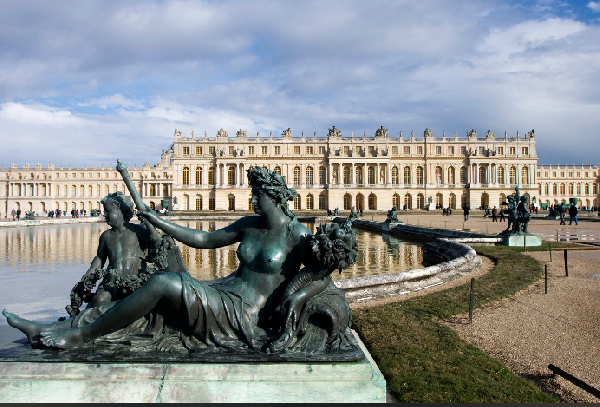
The ultimate symbol of royal absolutism and the pinnacle of French artistic and architectural ambition. The Palace of Versailles is one of the most famous and visited monuments in the world.
Getting There from Paris:
By Train (Recommended): Take the RER C line from central Paris (stations like Invalides, Musée d’Orsay, Champ de Mars) directly to the “Versailles Château Rive Gauche” station. The journey takes about 45 minutes. It is a 10-minute walk from the station to the palace gates.
By Car: Not recommended due to heavy traffic and difficult parking.
Highlights & Attractions: