Athens & Santorini: A Comprehensive Travel Guide
This guide provides a detailed itinerary and essential information for a classic Greek journey, starting and ending in the historic capital of Athens, with an idyllic escape to the iconic island of Santorini. It covers the key aspects of travel, including attractions, cuisine, transportation, accommodation, and cultural insights to help travelers plan a seamless and enriching trip.
Part 1: Athens – The Cradle of Western Civilization
Athens, a city where ancient history and modern urban life vibrantly coexist, serves as the perfect starting point for any Greek adventure. It is a sprawling metropolis crowned by the legendary Acropolis, offering visitors a profound connection to the origins of democracy, philosophy, and drama.
Top Attractions in Athens
The Acropolis and Parthenon: The quintessential symbol of Athens and ancient Greece, the Acropolis is a UNESCO World Heritage site. The Parthenon, the temple dedicated to the goddess Athena, is its centerpiece. Visitors should purchase a combined ticket for access to the Acropolis and six other archaeological sites. It is highly recommended to visit early in the morning or late in the afternoon to avoid both the crowds and the intense midday heat.
Acropolis Museum: Located at the foot of the Acropolis, this state-of-the-art museum houses the treasures found on the rock. Its glass floors reveal excavations below, and the top-floor Parthenon Gallery offers a breathtaking view of the temple itself, arranged in the same orientation.
Ancient Agora: This was the heart of classical Athens, functioning as a commercial, political, and social hub. Key sights include the remarkably well-preserved Temple of Hephaestus and the reconstructed Stoa of Attalos, which now serves as a museum.
Plaka and Anafiotika: Wandering through the labyrinthine streets of Plaka, the old historical neighborhood of Athens, feels like stepping back in time. Nestled on the slopes of the Acropolis, the tiny area of Anafiotika, with its whitewashed, island-style houses, offers a peaceful respite from the city bustle.
National Archaeological Museum: Home to one of the world’s most important collections of ancient Greek art, this museum is a must for history enthusiasts. Its vast holdings include artifacts from prehistory to late antiquity, with highlights like the Mask of Agamemnon and the Antikythera mechanism.
Mount Lycabettus: For the best panoramic view of Athens, especially at sunset, take the funicular or hike to the top of this hill. The small chapel of Agios Georgios sits at the summit, and the view stretches all the way to the sea.
Athens Food & Drink
Athenian cuisine is a celebration of fresh, high-quality ingredients. Travelers should not miss these experiences:
Souvlaki and Gyros: A fast-food staple, consisting of grilled meat (pork or chicken) wrapped in a pita with tomato, onion, tzatziki, and often fries. Popular local spots are found in Monastiraki and Psiri.
Meze: A style of dining involving many small shared plates. Classic meze include tzatziki (yogurt with cucumber and garlic), fava (yellow split pea puree), dolmades (stuffed vine leaves), and grilled octopus.
Moussaka: The iconic Greek baked dish with layers of eggplant, minced meat, and béchamel sauce.
Greek Salad (Horiatiki): A simple yet delicious combination of tomatoes, cucumbers, onions, green peppers, Kalamata olives, and a large slab of feta cheese, dressed with olive oil and oregano.
Where to Eat: For authentic tavernas, explore the neighborhoods of Psiri and Koukaki. The Central Market (Varvakios Agora) is a vibrant sensory experience for food lovers.
Transportation in Athens
From/To Airport: Athens International Airport (ATH) is connected to the city center by Metro Line 3 (blue line), which takes about 40 minutes to Syntagma Square. Express airport buses (X95 to Syntagma) are also available. Taxis and ride-sharing services offer a more direct but pricier option.
Getting Around: The Athens Metro is modern, efficient, and covers most major tourist sites. A central 90-minute ticket is affordable. The city is also very walkable, especially the historical center. Buses and trams serve areas not covered by the metro.
Accommodation Tips for Athens
Staying in or near the Plaka, Monastiraki, Syntagma, or Koukaki neighborhoods is ideal for first-time visitors due to their proximity to major ancient sites, restaurants, and metro stations. These areas offer a range of options from luxury hotels with Acropolis views to charming boutique hotels and budget-friendly hostels.
Cultural Insights for Athens
Athenians are generally warm and hospitable. A casual dress code is acceptable in most places, but visitors should dress modestly when entering churches (covering shoulders and knees). The pace of life can be slow in the afternoons due to the traditional siesta. Tipping is appreciated but not obligatory; rounding up the bill or leaving 5-10% in restaurants is customary.
Part 2: The Journey from Athens to Santorini
The transition from the historical mainland to the volcanic islands is a key part of the Greek experience. There are two primary ways to travel from Athens to Santorini.
By Ferry: This is the classic mode of transport. Ferries depart from Piraeus, the main port of Athens. The journey time varies from 5 to 8 hours depending on the type of ferry (high-speed or conventional). It is a scenic trip through the Aegean Sea, passing by other Cycladic islands. It is advisable to book tickets online in advance, especially during peak season (June-September).
By Flight: For those short on time, flying is the fastest option. Several daily flights connect Athens International Airport (ATH) with Santorini (Thira) Airport (JTR). The flight takes approximately 45 minutes. While quicker, this option offers none of the scenic beauty of the ferry journey.
Part 3: Santorini – The Jewel of the Aegean
Santorini (Thira) is a volcanic island renowned for its dramatic caldera views, stunning sunsets, whitewashed villages, and unique black-sand beaches. It is a destination that combines natural beauty with luxurious relaxation.
Top Attractions in Santorini
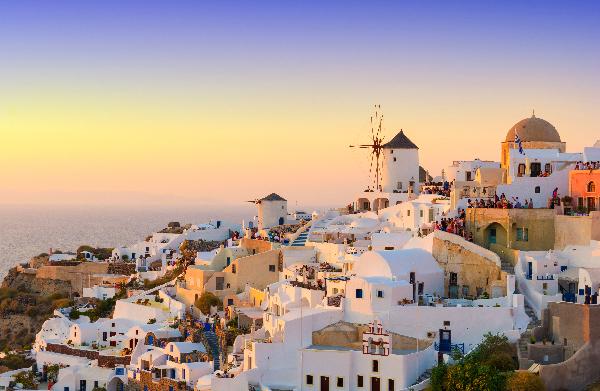
Oia: Famous worldwide for its breathtaking sunsets, Oia is a picturesque village perched on the northern tip of the caldera. Its narrow pathways are lined with blue-domed churches, white cave houses, art galleries, and upscale boutiques. Arrive early to secure a good spot for the sunset ceremony.
Fira: The bustling capital of Santorini, Fira clings to the caldera cliffside and is filled with shops, restaurants, cafes, and nightlife. The cable car from the old port to Fira offers spectacular views, as does the walk down (or up) the 588 steps (donkeys are also an option).
Imerovigli & Firostefani: These villages, located on the caldera path between Fira and Oia, offer equally stunning views but with a more tranquil and romantic atmosphere. Imerovigli is often called the “Balcony to the Aegean” due to its high vantage point.
Akrotiri Archaeological Site: Often referred to as the “Minoan Pompeii,” this ancient prehistoric city was buried by a massive volcanic eruption around 1600 BC. The site is protected by a bioclimatic roof, allowing visitors to walk through the well-preserved ruins of a sophisticated Bronze Age settlement.
Red Beach and Perissa Black Sand Beach: The Red Beach, near Akrotiri, is famous for its striking red volcanic cliffs. Perissa, on the southeast coast, boasts a long stretch of black volcanic sand and clear waters, lined with sunbeds and beach bars.
Santorini Wine Tour: The island’s volcanic soil produces distinctive wines, particularly the crisp white Assyrtiko. Many wineries offer tours and tastings. A visit to a traditional canava (winery) like those in the village of Megalochori or a modern estate like Santo Wines is highly recommended.
Volcano and Hot Springs Boat Tour: Boat tours from the old port of Fira or Athinios port take visitors to the still-active Nea Kameni volcano crater for a hike. The tour usually includes a swim in the warm, sulphuric waters of the Palia Kameni hot springs.
Santorini Food & Drink
Santorini’s cuisine benefits from unique local produce grown in the volcanic soil.
Fava: A creamy yellow split pea puree, typically served with capers and onions. It is a Santorini specialty.
Tomatokeftedes: Delicious fried tomato balls made from the island’s small, sweet cherry tomatoes.
White Eggplant: A unique local variety that is less bitter than its purple counterpart, often grilled or baked.
Fresh Seafood: Enjoy grilled fish, calamari, and octopus at seaside tavernas in Ammoudi Bay (below Oia) or Vlychada.
Local Wines: Sample Assyrtiko, Nykteri, and Vinsanto at a winery or restaurant.
Transportation on Santorini
From/To Airport/Port: Santorini’s airport and Athinios port are served by local buses and taxis. Pre-booking a transfer is often the most convenient option.
Getting Around: The local KTEL bus service is affordable and connects Fira with most major villages and beaches. Renting an ATV (quad bike) or a car provides maximum flexibility to explore the island’s hidden corners at your own pace. Taxis are available but can be expensive and scarce during peak times.
Accommodation Tips for Santorini
The quintessential Santorini experience involves staying in a cave house or hotel with a caldera view. Oia offers ultra-luxury and iconic sunset views. Imerovigli and Firostefani provide a more peaceful setting with equally stunning vistas. Fira is ideal for those seeking nightlife and more budget-conscious options. For a beach holiday, consider staying in Perissa or Kamari.
Cultural Insights for Santorini
Santorini’s economy is heavily based on tourism. The pace is relaxed but can be very busy during peak season. The iconic blue-domed churches are not just for show; they are active places of worship for the deeply religious local community. Respect for private property is important, especially when trying to get that perfect photo in Oia’s narrow lanes.
Part 4: The Return to Athens & Departure
The return journey from Santorini to Athens follows the same options: ferry or flight. It is crucial to allow ample time for this transfer on your final day. If flying out of Athens International Airport on the same day, it is safer to choose a flight from Santorini rather than a ferry, as ferries can be delayed by weather.
Practical Trip Planning Summary
Best Time to Visit: Late spring (May-June) and early autumn (September-October) offer ideal weather with warm temperatures, fewer crowds, and more reasonable prices. July and August are peak season with high temperatures and dense crowds.
Suggested Duration: A 7 to 10-day trip allows for a comfortable pace: 3-4 days in Athens and 3-4 days in Santorini.
Budgeting: Greece can cater to various budgets. Santorini, especially Oia, is generally more expensive than Athens. Costs rise significantly during peak season.
What to Pack: Comfortable walking shoes are essential for both destinations. Pack light clothing for summer, layers for spring/autumn, a hat, sunglasses, sunscreen, and a swimsuit. A light jacket or sweater is useful for cool evenings, especially on Santorini.
Currency: The currency in Greece is the Euro (€). Credit cards are widely accepted, but it’s always useful to have some cash on hand for small purchases and in smaller tavernas.
A journey from Athens to Santorini encapsulates the diverse beauty of Greece—a profound encounter with ancient history followed by an immersion in iconic Cycladic splendor. With careful planning, this trip can be a truly unforgettable experience.