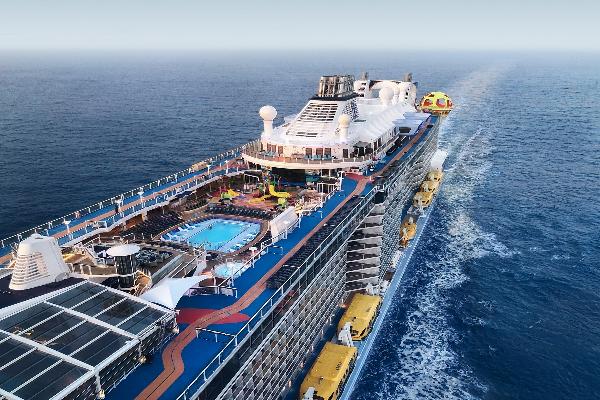
East China Sea Cruise: Shanghai, Kagoshima & Nagasaki
A comprehensive travel guide for a 5-7 day cruise itinerary departing from and returning to Shanghai’s Baoshan Port, featuring the vibrant Japanese cities of Kagoshima and Nagasaki.
Cruise Itinerary Overview
This classic East China Sea cruise offers a perfect blend of modern Chinese dynamism and rich Japanese history. The typical itinerary spans 5 to 7 days, structured as follows:
Day 1: Embarkation at Shanghai Baoshan International Cruise Terminal. Settle into your stateroom and explore the ship. The vessel departs in the evening.
Day 2: A full day at sea. Enjoy the ship’s amenities, activities, and entertainment as you sail towards Japan.
Day 3: Arrive in Kagoshima, Japan. A full day to explore this volcanic city. Depart in the late afternoon or evening.
Day 4: Arrive in Nagasaki, Japan. A full day to delve into its unique history and culture. Depart in the evening.
Day 5: Another day at sea, relaxing and enjoying onboard facilities while cruising back to China.
Day 6: Disembarkation at Shanghai Baoshan International Cruise Terminal in the morning.
Note: Itineraries can vary by cruise line and season. Some voyages may be shorter or longer, adjusting the time spent in each port and at sea.
Shanghai, China: Baoshan Port
The Port of Embarkation
The Shanghai Baoshan International Cruise Terminal is one of the major homeports in Asia. Located in the Baoshan District in northern Shanghai, it is approximately a 45-minute to 1-hour drive from downtown Shanghai (People’s Square) depending on traffic.
Terminal Facilities: The modern terminal offers check-in counters, waiting areas, currency exchange, basic shops, and customs and immigration services. The embarkation process can be busy; it is advisable to arrive during your assigned time slot.
Pre- or Post-Cruise Exploration of Shanghai
If you have time before or after your cruise, exploring Shanghai is highly recommended.
The Bund (Waitan): Shanghai’s iconic waterfront, featuring a stunning collection of neoclassical and art deco buildings on one side and a futuristic skyline of Pudong on the other. Best visited both during the day and at night.
Pudong: The financial hub across the Huangpu River, home to the Oriental Pearl Tower, Shanghai World Financial Center (the “Bottle Opener”), and the Shanghai Tower.
Yu Garden & Bazaar: A classical Chinese garden from the Ming Dynasty, surrounded by a bustling market selling souvenirs, snacks, and traditional crafts.
Nanjing Road: One of the world’s busiest shopping streets, stretching from the Bund deep into the city center.
French Concession: A charming area with tree-lined avenues, boutique shops, art galleries, and cafes, perfect for a leisurely stroll.
Practical Information for Shanghai
Currency: Chinese Yuan (CNY or RMB). ATMs are widely available.
Language: Mandarin Chinese. English is not widely spoken outside of major hotels and tourist areas.
Transport from Airport to Port: Pudong International Airport (PVG) is about a 60-90 minute drive to Baoshan Port. Hongqiao International Airport (SHA) is about a 60-minute drive. Options include taxi, pre-booked private transfer, or subway (a more complex option with luggage).
Visa: Most nationalities require a visa to enter China. Check requirements well in advance. Some nationalities may be eligible for a 144-hour transit-free stay if Shanghai is a transit point, but this typically does not apply if your cruise starts and ends in Shanghai. Confirm with your cruise line and Chinese embassy.
Kagoshima, Japan: The Naples of the East
Kagoshima is the main city of Kagoshima Prefecture on the island of Kyushu. It is famously dominated by the active volcano, Sakurajima, which often puffs smoke over the bay. The city is known for its history, hot springs, and black Kurobuta pork.
Sights & Excursions
Cruise ships dock at Kagoshima Port, which is conveniently located close to the city center.
Sakurajima: The symbol of Kagoshima. You can take a 15-minute ferry from the city center across the bay to view the volcano up close. There are observation points, foot baths (ashiyu), and lava fields to explore. Bus tours are available on the island.
Sengan-en Garden (Iso-teien): A beautiful Japanese landscape garden with a backdrop of Sakurajima and Kagoshima Bay. The garden dates back to 1658 and includes a traditional residence of the Shimazu clan, the former feudal lords.
Kagoshima City Aquarium (Io World): A modern aquarium focusing on the marine life of Kagoshima’s rich waters, with impressive displays of Kuroshio Current species.
Shiroyama Observatory: Located on a hill in the city center, this observatory offers panoramic views of Sakurajima, Kagoshima city, and the bay.
Terukuni Shrine: A Shinto shrine dedicated to the lord of the Satsuma domain, Nariakira Shimazu.
Practical Information for Kagoshima
Currency: Japanese Yen (JPY). Credit cards are accepted in many shops and restaurants, but it’s wise to carry cash for small vendors and transportation.
Language: Japanese. English signage is common at major tourist sites, but English speaking is less common. A translation app can be very helpful.
Transport in Port: The “City View” tourist bus loop is an excellent way to get around major attractions. It departs from right outside the port terminal. Taxis are also readily available. The ferry to Sakurajima is a short walk or tram ride from the port.
Tipping: Tipping is not customary in Japan and can be considered rude.
Souvenirs & Food: Look for Satsuma-yaki (pottery), sweet potato shochu (a local spirit), and various snacks made from local sweet potatoes. Must-try foods include Kurobuta pork dishes (like tonkatsu) and Satsuma-age (fried fish cakes).
Nagasaki, Japan: A City of Peace and Culture
Nagasaki’s history is unique among Japanese cities. For centuries it was Japan’s primary window to the outside world during its period of national isolation. It is also tragically known as the second city to be targeted by an atomic bomb. Today, it is a vibrant, hilly city promoting a message of peace and showcasing a fascinating blend of Japanese and foreign influences.
Sights & Excursions
Ships dock at Nagasaki Port, which is within walking distance or a short tram/bus ride from the city center.
Nagasaki Peace Park & Atomic Bomb Museum: A profoundly moving and essential visit. The park features statues and monuments donated by countries from around the world, centered on the “Peace Statue.” The adjacent museum documents the history of the atomic bombing and its aftermath with powerful exhibits.
Glover Garden: An open-air museum featuring former Western residences from the Meiji Era (1868-1912), perched on a hill overlooking the harbor. The Glover Residence is the oldest Western-style wooden building in Japan and famously associated with the Puccini opera “Madama Butterfly.”
Oura Church: Japan’s oldest surviving Christian church, built in 1864 for the growing community of foreign merchants. It is a designated National Treasure.
Meganebashi (Spectacles Bridge): A picturesque double-arch stone bridge built in 1634, one of Nagasaki’s most famous landmarks.
Dejima: A former artificial island that was the sole trading post for foreigners during Japan’s period of isolation. It has been meticulously restored to show what life was like for the Dutch traders who lived there.
Mount Inasa: For breathtaking night views, take the ropeway or a bus to the summit of Mount Inasa. It’s consistently ranked as one of the top three night views in Japan.
Practical Information for Nagasaki
Currency: Japanese Yen (JPY).
Language: Japanese. Similar to Kagoshima, English signage is present at major sites.
Transport in Port: Nagasaki has an excellent and easy-to-use tram system that connects the port area to all major attractions. A one-day tram pass is highly cost-effective. Taxis are also available.
Souvenirs & Food: Nagasaki is famous for Castella, a sponge cake introduced by Portuguese merchants. Also try Champon, a noodle dish in a rich broth with seafood and vegetables, and Sara Udon, a crispy noodle dish with a thick savory sauce.
Days at Sea
The sea days are an integral part of the cruise experience, offering relaxation and a wide array of onboard activities.
Onboard Activities & Amenities
Culinary Experiences: Multiple dining venues are available, from main dining rooms and buffets to specialty restaurants (often requiring an additional fee). Cooking demonstrations, galley tours, and wine tastings are common.
Entertainment: Broadway-style shows, live music, comedy clubs, casinos, cinema screenings, and themed parties are scheduled throughout the day and night.
Wellness & Recreation: Most ships feature pools, hot tubs, water slides, fitness centers, jogging tracks, and full-service spas offering massages and beauty treatments.
Enrichment: Attend lectures on topics like the history and culture of your destinations, language lessons (basic Japanese phrases), or watch documentaries.
Shopping & Leisure: Onboard duty-free shops sell everything from souvenirs to luxury goods. You can also find libraries, card rooms, and quiet lounges for reading or socializing.
Sailing Notes
The East China Sea is generally calm but can be subject to seasonal weather patterns. Typhoon season runs from approximately May to October, with peak activity from July to September. While modern ships are equipped with stabilizers, it’s possible to experience some motion. If you are prone to seasickness, come prepared with medication or acupressure bands.
Cruise Ship Etiquette & Tips
Muster Drill: Attendance at the mandatory safety drill before departure is required by international law.
Onboard Account: Your room key card acts as your onboard payment method. You will settle your account at the end of the cruise with a credit card or cash.
Gratuities: Most cruise lines automatically add a daily gratuity charge to your onboard account to cover service staff. This is often adjustable at the guest services desk.
Timetables: Pay close attention to “All Aboard” times when in port. The ship will not wait for late passengers.