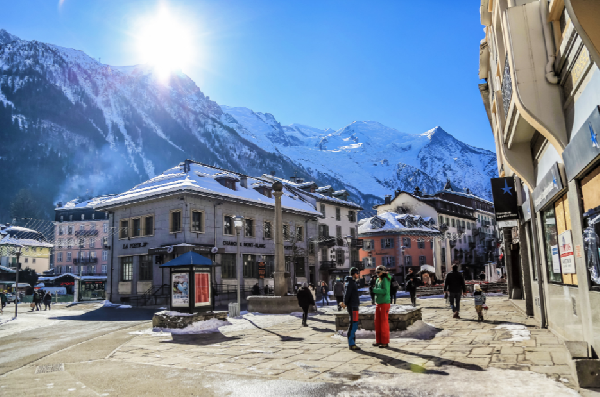
Geneva – Chamonix-Mont-Blanc – Geneva Travel Guide
This guide provides a comprehensive overview for travelers embarking on a journey from Geneva, Switzerland, to Chamonix-Mont-Blanc, France, and back. It covers everything from preparation and transportation to activities and dining, ensuring a memorable and smooth experience in one of Europe’s most stunning alpine regions.
Introduction to the Region
The Geneva-Chamonix-Mont-Blanc route is a classic alpine itinerary that combines the cosmopolitan charm of Geneva with the breathtaking natural beauty of the French Alps. Geneva, a global hub for diplomacy and finance, sits on the shores of Lake Geneva and is known for its international organizations, luxury watchmaking, and vibrant cultural scene. Chamonix-Mont-Blanc, located in the Haute-Savoie region of France, is a world-renowned destination for mountaineering, skiing, and outdoor adventure, dominated by the majestic Mont Blanc, Western Europe’s highest peak. This journey offers a perfect blend of urban sophistication and rugged mountain escapades, all within a relatively short distance, making it ideal for a multi-day trip.
Pre-Trip Planning
Best Time to Visit
Summer (June to August): Ideal for hiking, mountaineering, and enjoying outdoor cafes. The weather is warm, and all attractions are accessible. This is the peak tourist season, so expect crowds.
Winter (December to March): Perfect for skiing, snowboarding, and winter sports. Chamonix is a premier ski destination with a festive atmosphere. Book well in advance.
Shoulder Seasons (April-May, September-October): Fewer crowds, milder weather. Some high-altitude trails may be closed due to snow, but it’s great for sightseeing and lower-elevation hikes.
Duration Recommended
A minimum of
3 to 5 days is recommended to fully experience both Geneva and Chamonix without feeling rushed. For example:
- Day 1: Arrive in Geneva, explore the city.
- Day 2: Travel to Chamonix, settle in, and visit the town center.
- Day 3: Major activity in Chamonix (e.g., Aiguille du Midi or Mer de Glace).
- Day 4: Additional hiking or sightseeing, then return to Geneva.
- Day 5: Depart from Geneva or explore more of the city.
Extend your stay if you plan extensive hiking or skiing.
Budgeting and Costs
Costs can vary significantly based on season and travel style. Switzerland (Geneva) is generally more expensive than France (Chamonix).
| Expense Category | Budget (per person) | Mid-Range (per person) |
|---|---|---|
| Accommodation (per night) | $50-$100 (hostels/budget hotels) | $150-$300 (3-4 star hotels) |
| Meals (per day) | $30-$50 (self-catering/budget eats) | $80-$150 (restaurants) |
| Transportation (round trip Geneva-Chamonix) | $40-$60 (bus) | $100-$150 (private transfer) |
| Activities (e.g., Aiguille du Midi cable car) | $50-$100 (select activities) | $150-$250 (multiple activities) |
| Total for 4 days (estimated) | $300-$600 | $800-$1500+ |
Visa and Entry Requirements
Switzerland (Geneva): Part of the Schengen Area but not the EU. Schengen visa rules apply.
France (Chamonix): EU and Schengen Area member.
For most travelers: Citizens of the EU, US, Canada, Australia, and many other countries do not need a visa for short stays (up to 90 days) in the Schengen Area. Ensure your passport is valid for at least three months beyond your planned departure date.
Crossing the border: The border between Switzerland and France is generally open with no routine checks, but always carry your passport or EU national ID card.
Packing Essentials
All seasons: Passport, travel insurance documents, credit/debit cards, some cash (Euros for France, Swiss Francs for Switzerland), comfortable walking shoes, daypack, reusable water bottle, power adapter (Type C/J for Switzerland, Type E/F for France), sunscreen, sunglasses.
Summer: Light layers, waterproof jacket, hiking boots, hat.
Winter: Thermal layers, insulated waterproof jacket, snow boots, gloves, beanie, ski gear if applicable.
Getting There and Around
Arrival in Geneva
Geneva Airport (GVA): The main international airport serving the region. It is located just 4 km from the city center.
Transfer to Geneva City Center:
Train: The Geneva Airport railway station is located beneath the terminal. Trains to Geneva Cornavin station (the main city station) run every few minutes, take about 6 minutes, and are free for travelers with a boarding pass (get a free UNIRES ticket from the machine in the baggage claim area).
Bus: Numerous bus lines connect the airport to the city. Line 10 is a common choice.
Taxi: Available outside arrivals; a ride to the center costs approximately CHF 30-40 and takes 10-15 minutes.
Transportation from Geneva to Chamonix
The distance is approximately 90 kilometers (56 miles). The journey takes about 1 to 1.5 hours by road, depending on traffic and mode of transport.
| Mode of Transport | Details | Approx. Cost (one way) | Duration |
|---|---|---|---|
| Shuttle Bus | The most popular and direct option. Companies like BlaBlaCar Bus, FlixBus, and AlpyBus offer regular services from Geneva Airport or Geneva city center directly to Chamonix. Highly recommended for convenience. | $20-$40 | 1h 15min – 1h 45min |
| Private Transfer | Door-to-door service. Bookable in advance online. Ideal for groups or those with lots of luggage. | $120-$200 | 1h – 1h 30min |
| Rental Car | Offers flexibility. Pick up at Geneva Airport. Remember you will be crossing an international border. Ensure your rental agreement allows it. Be aware of potential winter driving conditions (snow chains may be required). | $50-$100/day + fuel/tolls | 1h – 1h 30min |
| Train/Bus Combo | A scenic but less direct option. Train from Geneva to St-Gervais-Le Fayet (France), then a connecting bus or train (Mont Blanc Express) to Chamonix. | $30-$50 | 2h – 3h |
Getting Around in Chamonix
Chamonix Valley is long and narrow, with attractions spread out. The town of Chamonix itself is very walkable.
Shuttle Buses: The Chamonix Valley has an excellent and free public shuttle bus system (“Navettes”) that connects the different villages and key attractions like Les Houches, Argentière, and Montenvers/Mer de Glace train station. This is the primary way for tourists to get around.
Mont Blanc Multipass: If you plan on using multiple cable cars and lifts, this pass offers unlimited access and includes the valley shuttle buses. It can be great value for multi-day stays.
Walking: The center of Chamonix town is compact and best explored on foot.
Taxis: Available but more expensive.