The Ultimate Travel Guide: Ushuaia, Drake Passage & Antarctic Peninsula
This comprehensive guide details one of the world’s most epic maritime journeys: the expedition from the southernmost city in the world, through the legendary Drake Passage, to the pristine wilderness of the Antarctic Peninsula, and back. This is not merely a trip; it is a pilgrimage for adventurers, nature lovers, and those seeking to witness the raw power and beauty of our planet’s final frontier.
Introduction: The Journey of a Lifetime
The route from Ushuaia, Argentina, to the Antarctic Peninsula represents the most accessible and popular path to the White Continent. This expedition encapsulates a dramatic range of experiences, from the rugged “End of the World” charm of Patagonia to the humbling vastness of the Southern Ocean and the surreal, icy landscapes of Antarctica. Travelers typically undertake this voyage on specialized expedition vessels over a period of 10 to 14 days, with the core experience revolving around the cycle: Ushuaia – Drake Passage – Antarctic Peninsula – Drake Passage – Ushuaia.
Chapter 1: Ushuaia – The Gateway to Antarctica
Nestled at the southern tip of Argentina in Tierra del Fuego, Ushuaia proudly bears the title of “El Fin del Mundo” (The End of the World). This bustling port city is the primary embarkation point for over 90% of Antarctic cruises.
Key Attractions in Ushuaia
Tierra del Fuego National Park: A stunning protected area where the Andes meet the sea. Visitors can hike through sub-Antarctic forests, along pristine lakes, and to the end of the Pan-American Highway. The Lapataia Bay is a particularly scenic spot.
End of the World Museum (Museo del Fin del Mundo): Housed in a historic building, this museum offers fascinating insights into the region’s natural history, indigenous Yámana people, and its past as a penal colony.
Martial Glacier: For a panoramic view of Ushuaia, the Beagle Channel, and the surrounding mountains, a hike or chairlift ride up to the Martial Glacier is highly recommended.
Beagle Channel Boat Tour: A essential pre- or post-Antarctica excursion. These tours navigate the channel, offering views of sea lions, cormorants, and the iconic Les Eclaireurs Lighthouse.
Prison Museum (Museo Marítimo y del Presidio): Located in the old Ushuaia prison, this complex museum details the harsh history of the penal colony and also features maritime and art exhibits.
Food & Drink in Ushuaia
Ushuaia’s cuisine is dominated by the bounty of the South Atlantic.
Centolla (King Crab): The undisputed local specialty. It is often served simply steamed with lemon butter or as part of a rich crab stew.
Merluza Negra (Patagonian Toothfish/Chilean Sea Bass): A delicious, flaky white fish found in cold southern waters.
Cordero Patagónico (Patagonian Lamb): Typically slow-roasted over an open fire, this is a classic dish of the region.
Craft Beer: Ushuaia has a vibrant craft beer scene, with several local breweries creating beers perfect for the cold climate.
Recommended Restaurants: Kaupe for a high-end centolla experience, El Viejo Marino for a classic, no-frills seafood tavern, and Ramos Generales for a historic cafe atmosphere.
Accommodation Tips
It is crucial to book accommodation well in advance, especially during the peak Antarctic season (November-March). Options range from luxury hotels like the Arakur Ushuaia Resort & Spa with its stunning views, to mid-range options like the Los Cauquenes Resort, and budget-friendly hostels. Most hotels offer transfer services to the port.
Cultural Insight
Ushuaia embodies a spirit of frontier resilience. Its history is a tapestry of indigenous heritage, penal exile, and naval exploration. Today, it thrives on tourism and its strategic location. The feeling of being at the edge of civilization is palpable and adds a profound sense of anticipation for the journey ahead.
Chapter 2: The Drake Passage – The Legendary Crossing
The Drake Passage is the body of water between Cape Horn (South America) and the South Shetland Islands (Antarctica). It is where the Atlantic, Pacific, and Southern Oceans converge, creating some of the most unpredictable and powerful seas on Earth.
The Experience: “Drake Lake” or “Drake Shake”
The crossing takes approximately two days each way. The experience is famously variable:
The “Drake Lake”: On calm days, the passage can be surprisingly serene, offering a smooth journey with opportunities for birdwatching.
The “Drake Shake”: More common are rough seas with large swells. This can be challenging for those prone to seasickness but is part of the authentic Antarctic adventure.
What to Do Onboard During the Crossing
Expedition teams use this time to prepare passengers for Antarctica.
IAATO Briefings & Biosecurity: The expedition team will hold mandatory briefings by the International Association of Antarctica Tour Operators (IAATO) on visitor guidelines, wildlife etiquette, and biosecurity procedures (e.g., cleaning boots and gear).
Educational Lectures: Experts in fields like marine biology, glaciology, ornithology, and polar history deliver fascinating talks on what you are about to see.
Wildlife Spotting: The Drake is rich in pelagic birds. Look for Wandering Albatrosses (with wingspans up to 11 feet), Giant Petrels, and Cape Petrels soaring alongside the ship.
Ship Facilities: Utilize the time to relax in the lounge, visit the library, get to know fellow passengers, and acclimatize to the ship’s rhythm.
Seasickness Management
It is highly advisable to come prepared. Consult a doctor before your trip. Options include prescription patches (scopolamine), pills (like meclizine or dimenhydrinate), and acupressure bands. Staying hydrated, eating light meals, and focusing on the horizon can also help.
Chapter 3: The Antarctic Peninsula – The White Continent
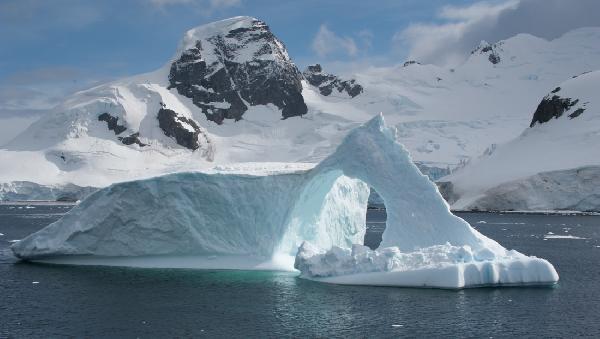
Arriving at the Antarctic Peninsula is a moment of pure magic. The air becomes crisper, the landscape transforms into a monochrome world of ice and rock, and the silence is profound, broken only by the sounds of calving glaciers and wildlife.
Key Attractions & Experiences on the Peninsula
Zodiac Cruising: The primary method of exploration. These sturdy inflatable boats allow for close-up exploration of icebergs, wildlife colonies along shorelines, and narrow channels inaccessible to the main ship.
Landings: Guided landings are made at specific sites. Visitors can step foot on the continent itself or on surrounding islands. Activities are strictly managed to minimize environmental impact.
Wildlife Encounters:
Penguins: See vast colonies of Gentoo, Chinstrap, and Adélie penguins. Observe their hilarious and chaotic “penguin highways” and nesting behaviors.
Seals: Spot Weddell, Crabeater, and Leopard seals lounging on ice floes. Elephant seals can be seen on certain beaches.
Whales: Humpback, Minke, and Orca (Killer) whales are frequently sighted, especially in the later part of the season (February-March).
Seabirds: Skua, Snowy Sheathbills, and various petrels are common.
Iconic Sites:
Cuverville Island: Home to a large Gentoo penguin colony.
Neko Harbour / Paradise Bay: Offers stunning opportunities to set foot on the continental mainland and witness dramatic calving glaciers.
Lemaire Channel: Often called “Kodak Gap,” this narrow channel is flanked by steep cliffs and glaciers—a photographer’s dream.
Deception Island: A volcanic caldera that you can sail into. It features black sand beaches, abandoned whaling stations, and the opportunity for a “polar plunge” in its thermally heated waters.
Port Lockroy: A historic British base that now operates as a museum and post office—the southernmost public post office in the world.
The Polar Plunge: A rite of passage for many! Taking a (very) brief dip in the near-freezing Antarctic waters is an exhilarating experience often organized by the expedition team.
The Expedition Lifestyle
Days are flexible and dictated by weather and ice conditions. A typical day might involve two Zodiac landings or cruises. The expedition leader announces the daily plan each morning. Meals are served onboard, and there is plenty of time for photography, reflection, and enjoying the breathtaking scenery from the ship’s decks.
The Antarctic Treaty & Leave No Trace
Antarctica is a continent dedicated to peace and science. All visitors must adhere to strict environmental protocols: maintain a safe distance from wildlife (typically 5 meters from penguins), walk only on designated paths, and leave nothing behind. The principle is to have no lasting impact on this fragile ecosystem.
Chapter 4: Practical Information & Planning
Choosing Your Voyage and Vessel
Expedition Vessel Types:
Small Ships (under 100 passengers): Offer a more intimate experience, more landings (due to IAATO rules limiting landing site numbers), and access to narrower channels.
Larger Ships (100-500 passengers): Provide more stability in rough seas and more amenities but may have fewer or shorter landings as passengers are rotated.
Itinerary Length: Standard peninsula trips are 10-12 days. Longer trips may cross the Antarctic Circle or include South Georgia and the Falkland Islands.
Trip Inclusions: Carefully check what is included: accommodation, all meals, guided excursions, lectures, and sometimes rental gear like boots. Flights to Ushuaia, alcohol, gratuities, and optional activities are often extra.
When to Go: The Antarctic Season
November-December: Peak of penguin courting and nesting. Pristine snowscapes.
January-February: Warmer temperatures, penguin chicks are hatching and growing. Peak whale watching.
March: Fewer ships and travelers. Excellent whale watching.
What to Pack
Base Layers: Merino wool or synthetic thermal underwear.
Mid Layers: Fleece or down jacket for insulation.
Outer Layer:A high-quality, waterproof and windproof jacket and pants. This is non-negotiable.
Footwear: Insulated, waterproof boots are often provided by the operator for landings. Bring sturdy, comfortable shoes for onboard.
Accessories: Warm hat, gloves (waterproof and thin liners), neck gaiter or buff, sunglasses with UV protection, and high-SPF sunscreen.
Equipment: Binoculars, high-quality camera with extra batteries and memory cards (cold drains batteries quickly), a dry bag for your camera gear on Zodiacs, and seasickness remedies.
Getting to Ushuaia
The journey begins with a flight into Buenos Aires, Argentina (EZE or AEP). From there, travelers must take a separate 3.5-hour domestic flight to Ushuaia’s Malvinas Argentinas International Airport (USH). It is highly recommended to arrive in Ushuaia at least one day before your ship’s departure to account for any potential flight delays.
Conclusion: An Unforgettable Legacy
The journey from Ushuaia through the Drake Passage to the Antarctic Peninsula is more than a vacation; it is a transformative experience. It offers a profound perspective on nature’s scale, fragility, and power. The memories of towering icebergs, the cacophony of a penguin colony, the grace of a breaching humpback whale, and the camaraderie forged aboard ship will last a lifetime. It is a powerful reminder of our planet’s wild places and the collective responsibility we share to protect them.