Ultimate Travel Guide: Nairobi, Aberdare, Lake Naivasha, Masai Mara, Serengeti, Ngorongoro, Amboseli
Introduction
This comprehensive travel guide details a classic and unforgettable East African safari circuit, combining the premier wildlife destinations of Kenya and Tanzania. This itinerary offers a spectacular journey through diverse landscapes, from the savannahs of the Masai Mara to the vast plains of the Serengeti and the unique crater of Ngorongoro. You will witness the Great Migration (season dependent), encounter the Big Five, and experience the rich cultures of the region. The route begins and ends in Nairobi, Kenya’s bustling capital.
Detailed Itinerary and Destinations
Nairobi, Kenya
Nairobi is the primary gateway for most safaris in East Africa. It’s a vibrant, bustling city that offers a unique blend of urban energy and wild encounters.
Key Attractions:
Nairobi National Park: The world’s only wildlife park within a capital city. You can see lions, rhinos, giraffes, and more with the city skyline as a backdrop.
David Sheldrick Wildlife Trust: A renowned elephant orphanage. Visiting hours are strict (11am-12pm daily), and fostering an elephant is a rewarding experience.
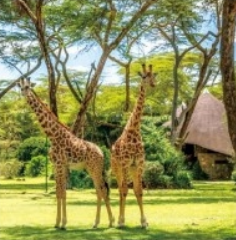
Giraffe Centre: Get up close and personal with the endangered Rothschild’s giraffe and even feed them from a raised platform.
Karen Blixen Museum: The former home of the author of “Out of Africa,” offering a glimpse into Kenya’s colonial past.
Practical Information:
Accommodation: Wide range from luxury hotels (The Norfolk Fairmont) to mid-range and budget options.
Getting Around: Use reputable taxi services or app-based rides like Uber/Bolt. Traffic can be heavy.
Health & Safety: Standard city precautions apply. Ensure you have yellow fever vaccination certificate if required.
Aberdare National Park, Kenya
A scenic drive north of Nairobi leads to the Aberdare Mountains, a region of dense rainforest, bamboo groves, waterfalls, and moorland. It’s known for its unique “tree hotel” experience.
Key Attractions:
The Ark and Treetops Lodge: These famous lodges are built on stilts overlooking waterholes and salt licks. Animals such as elephants, buffaloes, hyenas, and rare bongo antelopes visit throughout the day and night.
Waterfalls: Visit the magnificent Karuru Falls and Gura Falls.
Bird Watching: The park is a haven for bird enthusiasts with numerous forest species.
Practical Information:
Accommodation: Primarily the unique tree lodges (The Ark, Treetops). Book well in advance.
Activities: Game viewing from the lodge balconies, guided nature walks (with an armed ranger).
Climate: Can be cold and misty. Pack warm clothing.
Lake Naivasha, Kenya
A freshwater lake in the Great Rift Valley, Lake Naivasha is a tranquil stop known for its birdlife and hippos.
Key Attractions:
Boat Safari: A boat ride on the lake is essential. You’ll see hippos, numerous bird species including fish eagles, pelicans, and cormorants.
Crescent Island Game Sanctuary: A private sanctuary you can walk on! It offers a peaceful, up-close walking safari among giraffes, zebras, antelopes, and wildebeest.
Hell’s Gate National Park: Famous for its dramatic scenery, towering cliffs, and geothermal activity. It’s one of the few parks where you can explore on foot or by bicycle.
Practical Information:
Accommodation: Lakeside lodges and campsites (e.g., Lake Naivasha Sopa Resort, Elsamere Conservation Centre).
Activities: Boat trips, walking/biking in Hell’s Gate, bird watching.
Safety: Do not walk near the lake shore at night due to hippos.
Masai Mara National Reserve, Kenya
The Masai Mara is arguably Kenya’s most famous wildlife reserve. It’s the northern extension of Tanzania’s Serengeti and is renowned for its high density of predators and the annual Great Migration.
Key Attractions:
The Great Migration: Typically from July to October, millions of wildebeest and zebra cross the Mara River in a dramatic spectacle of life and death.
Big Five: Excellent chances to see lion, leopard, elephant, buffalo, and rhino (black rhino are rare but present).
Hot Air Balloon Safari: A breathtaking experience offering a bird’s-eye view of the plains at sunrise, often followed by a champagne breakfast.
Maasai Cultural Visit: Visit a local Maasai village (manyatta) to learn about their traditional culture, dances, and way of life.
Practical Information:
Accommodation: Ranges from luxury tented camps (Governors’ Camp, &Beyond Kichwa Tembo) to more affordable lodges and public campsites.
Getting There: A 5-6 hour drive from Nairobi or a 45-minute flight to one of the airstrips in the reserve.
Best Time to Visit: Year-round, but for the migration, July-October is prime. Dry season (June-October) offers best general game viewing.
Serengeti National Park, Tanzania
Crossing the border into Tanzania, you enter the vast and iconic Serengeti National Park. Its name means “Endless Plains” in the Maasai language, and it lives up to its reputation.
Key Attractions:
The Great Migration: The Serengeti is the stage for the majority of this cyclical migration. The location varies by season (e.g., Southern Serengeti for calving season Jan-March, Western Corridor for river crossings around May-July).
Diverse Ecosystems: From the open grasslands of the south to the kopjes (rocky outcrops) of the central Seronera area and the riverine forests of the west.
Predator Capital: The Seronera Valley is famous for its high concentration of leopards and lions.
Balloon Safaris: Also available here, offering a unique perspective over the immense plains.
Practical Information:
Accommodation: A wide variety including permanent lodges, seasonal tented camps that move with the migration, and public campsites.
Border Crossing: The main border between Mara and Serengeti is at Isebania/Sirari or via the Namanga border post. Ensure you have a valid visa for Tanzania (can often be obtained on arrival for many nationalities). Your tour operator will typically handle logistics.
Best Time to Visit: Year-round. The migration is a moving event, so plan your sector of the park according to the time of year.
Ngorongoro Conservation Area, Tanzania
A UNESCO World Heritage Site, the Ngorongoro Conservation Area is home to the world’s largest intact volcanic caldera.
Key Attractions:
Ngorongoro Crater: A 600-meter-deep caldera spanning 260 sq km. It’s a natural enclosure for an estimated 25,000 large animals, including the rare black rhino. The high density makes wildlife viewing exceptionally reliable.
Olduvai Gorge: One of the most important paleoanthropological sites in the world, often called the ‘Cradle of Mankind’. A small museum explains its significance.
Empakaai Crater: A lesser-visited, deep crater filled with a soda lake, ideal for hiking.
Practical Information:
Accommodation: Stunning lodges on the crater rim (e.g., Ngorongoro Serena Safari Lodge, &Beyond Ngorongoro Crater Lodge) offering incredible views, as well as campsites.
Crater Access: Only 4x6WD vehicles are allowed to descend into the crater. Descent times are regulated (typically 6am-4pm). There is a significant additional fee to enter the crater floor.
Climate:The rim is at high altitude (over 2,200m) and can be very cold, especially at night. Pack accordingly.
Amboseli National Park, Kenya
The final leg of the journey takes you back into Kenya to Amboseli National Park, famous for its spectacular views of Mount Kilimanjaro, Africa’s highest peak.
Key Attractions:
Views of Mount Kilimanjaro:The iconic image of elephants roaming the plains with Kilimanjaro in the background is most often captured here. The mountain is best viewed at sunrise and sunset.
Large Elephant Herds: Amboseli is renowned for its study-worthy elephant populations, some with impressive tusks.
Observation Hill:A rocky outcrop that provides a 360-degree panoramic view of the park’s swamps and plains.
Practical Information: