A Comprehensive Travel Guide to Kenya: Nairobi, Amboseli, Maasai Mara & Beyond
This guide outlines a classic Kenyan safari circuit, taking travelers from the bustling capital on a journey through iconic national parks, past serene lakes, and into the highlands, offering a profound encounter with East Africa’s majestic wildlife and rich cultures. The route covers: Nairobi → Amboseli → Nairobi → Maasai Mara → Elmenteita → Lake Naivasha → Mount Kenya → Aberdare / Treetops → Nairobi.
Chapter 1: Nairobi – The Green City in the Sun
Nairobi, Kenya’s vibrant and dynamic capital, serves as the primary gateway for most international travelers. It’s a city of contrasts, where modern skyscrapers stand alongside bustling informal markets, and a rich national park lies within the city limits.
Attractions & Experiences
Nairobi National Park: A unique wildlife experience just a short drive from the city center. It offers the chance to see rhinos, lions, giraffes, and zebras with a backdrop of Nairobi’s skyline. The David Sheldrick Wildlife Trust, located within the park, is a must-visit for its elephant orphan rescue and rehabilitation program.
Giraffe Centre: Operated by the African Fund for Endangered Wildlife, this center allows for close encounters with the endangered Rothschild’s giraffe. Visitors can feed and even kiss these gentle giants from a raised platform.
Karen Blixen Museum: Located in the former home of the author of “Out of Africa,” this museum offers a glimpse into Kenya’s colonial past and the life of the famous writer.
Kazuri Beads & Utamaduni Craft Centre: Excellent places to purchase authentic Kenyan crafts, jewelry, and souvenirs while supporting local artisans.
Food & Drink
Nyama Choma: The quintessential Kenyan experience. This is roasted meat, usually goat or beef, best enjoyed at a dedicated “nyama choma” joint with a side of kachumbari (tomato and onion salad) and ugali (maize porridge).
Carnivore Restaurant: A famous tourist spot known as “Africa’s Greatest Meat Experience,” where a variety of meats, including exotic game, are roasted on Maasai swords and carved at your table.
Nairobi’s Coffee Culture: As a major coffee producer, Nairobi boasts excellent cafes. Try local roasts at artisanal coffee shops in areas like Westlands or Karen.
Transportation & Accommodation
Jomo Kenyatta International Airport (NBO) is the main entry point. Within the city, Uber and Bolt are widely used and reliable. For day trips and longer journeys, hiring a private driver/guide is highly recommended. Accommodation ranges from luxury chains in the city center (e.g., The Norfolk Hotel) to charming boutique hotels and guesthouses in the leafy suburbs of Karen and Langata.
Chapter 2: Amboseli National Park – Land of Giants
The journey south from Nairobi to Amboseli National Park takes approximately 4-5 hours by road. Amboseli is famed for its spectacular views of Mount Kilimanjaro, Africa’s highest peak, which lies across the border in Tanzania. The park’s flat plains provide a stunning foreground for photography, especially at dawn and dusk.
Attractions & Experiences
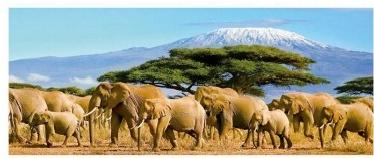
Elephant Herds: Amboseli is renowned for having some of the largest elephant herds in Africa. Observing these majestic creatures with the snow-capped peak of Kilimanjaro in the background is an unforgettable sight.
Observation Hill: A solitary hill that allows for a panoramic 360-degree view of the park’s swamps, plains, and animal congregations.
Maasai Culture: The park is surrounded by Maasai communities. Many lodges can arrange visits to authentic Maasai villages (enkangs) where travelers can learn about their traditional way of life, dances, and customs.
Game Drives: Morning and evening game drives offer opportunities to see lions, cheetahs, buffaloes, hippos, and a rich variety of birdlife around the park’s permanent swamps.
Accommodation & Logistics
Accommodation in Amboseli ranges from luxury lodges with direct views of Kilimanjaro (e.g., Ol Tukai Lodge, Amboseli Serena Safari Lodge) to tented camps that offer a more rustic experience. The park is primarily accessed by 4×4 vehicles, which are essential for navigating the sometimes dusty or muddy tracks. Most visitors stay for 2-3 nights to fully experience the park’s offerings.
Chapter 3: The Maasai Mara National Reserve – The Great Spectacle
After returning to Nairobi, the next leg of the journey heads southwest to the world-famous Maasai Mara. The drive is long (5-6 hours) but scenic. Many opt for a scheduled flight from Nairobi’s Wilson Airport to one of the several airstrips in the Mara, which takes about 45 minutes. The Mara is Kenya’s most famous wildlife reserve, an extension of Tanzania’s Serengeti plains.
Attractions & Experiences
The Great Migration: Occurring roughly from July to October, this is one of nature’s most awe-inspiring events. Millions of wildebeest, zebra, and gazelles cross from the Serengeti into the Mara, facing perilous river crossings teeming with crocodiles.
Year-Round Big Cat Viewing: Even outside the migration, the Mara boasts an incredibly high density of predators, including lions, leopards, and cheetahs.
Hot Air Balloon Safari: A quintessential Mara experience. A pre-dawn flight offers a breathtaking bird’s-eye view of the plains and wildlife as the sun rises, typically followed by a champagne breakfast in the bush.
Cultural Visits: Similar to Amboseli, visits to Maasai villages are common and provide deep cultural insights.
Accommodation & Logistics
The Maasai Mara offers every type of accommodation, from ultra-luxurious permanent tented camps with private butlers to more affordable public campsites. Staying inside the reserve allows for earlier access to game drives, while conservancies on the reserve borders offer more exclusive, vehicle-free activities like guided bush walks and night drives. A 4×4 vehicle is mandatory.
Chapter 4: The Scenic Loop: Elmenteita, Lake Naivasha & Mount Kenya
Leaving the Mara, the route heads north into the Great Rift Valley, a region of stunning landscapes and lakes.
Lake Elmenteita
A soda lake and a UNESCO World Heritage Site as part of the Kenya Lake System. It’s a critical breeding ground for great white pelicans and flamingos. The nearby Kariandusi Prehistoric Site is an interesting archaeological stop. Soysambu Conservancy offers excellent game drives with views of the lake.
Lake Naivasha
A freshwater lake fringed by papyrus, Lake Naivasha is a tranquil stop.
Crescent Island Game Sanctuary: A pedestrian-only sanctuary where you can walk among giraffes, zebras, and antelopes.
Hell’s Gate National Park: A unique park where you can explore on foot, by bicycle, or by car. It features dramatic cliffs, gorges, and rock towers, and was the inspiration for Disney’s “The Lion King.”
Boat Rides: A boat trip on the lake is excellent for bird watching (fish eagles are common) and getting up close to hippos.
Mount Kenya
The journey continues towards the central highlands, dominated by the majestic Mount Kenya, Africa’s second-highest peak.
Mount Kenya National Park: While summiting the peak is a major mountaineering endeavor, the lower slopes offer fantastic opportunities for hiking, trout fishing, and wildlife viewing. You may see buffalo, elephants, and various monkey species in the forested zones.
Fairmont Mount Kenya Safari Club: A historic and luxurious resort in Nanyuki with beautiful gardens and views of the mountain.
Chapter 5: Aberdare National Park & The Treetops Experience
A short drive from the Mount Kenya region lies Aberdare National Park, a region of dense rainforest, bamboo groves, waterfalls, and moorlands. It is significantly cooler and wetter than the savannah parks.
The Unique Treetops Hotel
The legendary Treetops Hotel is not a hotel in the traditional sense but a rustic lodge built on stilts overlooking a waterhole and salt lick.
History: Famously, it was here in 1952 that Princess Elizabeth learned she had become Queen of England upon the death of her father.
The Experience: Guests arrive in the afternoon and do not leave until the next morning. The entire experience revolves around watching wildlife from the hotel’s viewing decks. Throughout the day and night, animals such as elephants, buffaloes, rhinos, bushbucks, and warthogs come to drink and bathe.
Logistics: Access is controlled and bookings must be made well in advance. It’s an all-inclusive experience with set meal times. The Ark is a similar establishment in the same park.
Aberdare National Park Activities
Beyond Treetops, the park offers trout fishing in its icy streams, hiking to beautiful waterfalls like Karuru Falls, and game drives in the higher moorland areas where you might spot the rare bongo antelope or giant forest hog.
Chapter 6: Practical Travel Information & Cultural Insights
Best Time to Visit
The best wildlife viewing is during the dry seasons: from late June to October (coinciding with the Great Migration) and from January to February. The “short rains” are in November and December, and the “long rains” are from March to May; these periods can make some roads difficult but offer lush scenery and fewer tourists.
Transportation Summary
Between Destinations: For this circuit, hiring a private 4×4 vehicle with a pop-up roof and an experienced driver/guide is the most flexible and rewarding option. Domestic flights are available between Nairobi, the Maasai Mara, and other key parks, saving time but at a higher cost.
Health & Safety: Malaria is present; prophylaxis is strongly recommended. Drink only bottled or purified water. A yellow fever vaccination certificate may be required if traveling from an endemic country.
Visa: Most nationalities require a visa, which can often be obtained online as an e-Visa before travel.
Cultural Etiquette & Insights
The Maasai People: Always ask for permission before taking photographs of people. When visiting a village, a small fee is customary and contributes to the community. Respect their traditions and dress modestly.
General Greetings: A simple “Jambo” (Hello) or “Habari?” (How is the news?) is appreciated. Kenyans are generally friendly and polite.
Tipping: Tipping is expected for good service. For your driver/guide, a tip of $15-$25 USD per day from a couple is a general guideline. Lodge staff usually have a collective tip box.
Shopping & Bargaining: Bargaining is expected in markets (like Maasai markets). Be polite and good-humored during the process. Fixed-price shops are also common in tourist areas.
A journey through this classic Kenyan circuit offers an unparalleled tapestry of experiences—from the raw power of a lion hunt in the Mara to the serene beauty of a Rift Valley lake and the unique thrill of watching elephants from a treehouse hotel. It is a trip that engages all the senses and leaves a lasting impression of Africa’s wild heart.