The Ultimate Kenya Safari: A Journey from Nairobi to the Maasai Mara
This comprehensive travel guide details a classic Kenyan safari circuit, taking travelers from the bustling capital of Nairobi to the iconic landscapes of Amboseli, the tranquil waters of Lake Naivasha, and the unparalleled wildlife spectacle of the Maasai Mara. This route is designed to offer a diverse and profound experience of Kenya’s natural wonders, cultures, and hospitality.
Introduction: The Kenyan Safari Experience
A safari in Kenya is more than a vacation; it is an immersion into one of the planet’s most dramatic wildlife theaters. This particular itinerary, looping from Nairobi and back, is a masterclass in contrast—from urban energy to serene lakes, and from swampy savannahs teeming with elephants to vast plains hosting the Great Migration. Travelers can expect a journey filled with breathtaking vistas, close encounters with the Big Five, and insightful cultural interactions.
Chapter 1: Nairobi – The Safari Capital
Nairobi, Kenya’s vibrant and dynamic capital, serves as the starting and ending point for most safaris. It is a city of contrasts, where modern skyscrapers stand alongside historical landmarks and natural sanctuaries.
Key Attractions in Nairobi
Nairobi National Park: Unique for its proximity to the city skyline, this park offers a chance to see lions, rhinos, giraffes, and zebras with a urban backdrop. The Ivory Burning Site Monument within the park is a poignant reminder of conservation efforts.
David Sheldrick Wildlife Trust: A world-renowned elephant orphanage, it is open to the public for a short period each day. Visitors can watch the baby elephants being fed and learn about the trust’s vital rehabilitation and release program.
Giraffe Centre: Run by the African Fund for Endangered Wildlife, this center allows for intimate encounters with the endangered Rothschild’s giraffe. Visitors can feed them from a raised platform and learn about conservation.
Karen Blixen Museum: Located in the former home of the author of “Out of Africa,” this museum offers a glimpse into Kenya’s colonial past and the life of the famous writer.
Kazuri Beads & Pottery Workshop: A fantastic social enterprise supporting local single mothers. Tours demonstrate the bead-making process, and the shop offers beautiful, handcrafted souvenirs.
Nairobi Food & Dining
Nairobi’s culinary scene is diverse. For authentic Kenyan fare, try:
Nyama Choma: This is Kenya’s national dish—succulent grilled meat, usually goat or beef, best enjoyed with a side of kachumbari (tomato and onion salad) and ugali (maize porridge). Carnivore Restaurant is a famous, though touristy, spot for this.
Street Food: Sample mandazi (sweet fried dough), samosas, and grilled maize from reputable vendors.
Upscale Dining: The Talisman in Karen and Haandi (for excellent Indian cuisine) are highly recommended.
Transportation in & out of Nairobi
Jomo Kenyatta International Airport (NBO) is the main gateway. Most travelers will be picked up by their safari company. For independent exploration, using registered taxi services or ride-hailing apps like Uber is advised. The journey to the next destination, Amboseli, typically takes 4-5 hours by road.
Accommodation Tips
Nairobi offers a wide range, from luxury chains like the Sankara Nairobi in Westlands to charming boutique hotels in the leafy suburb of Karen, such as the House of Waine. For a more budget-friendly option, consider reputable hostels or lodges in the city center.
Chapter 2: Amboseli National Park – Land of Giants
The journey south from Nairobi leads to Amboseli National Park, famed for its large herds of elephants and stunning views of Mount Kilimanjaro, Africa’s highest peak, which lies across the border in Tanzania.
Key Attractions & Activities in Amboseli
Elephant Watching: Amboseli is one of the best places in the world to observe elephant families up close. The park’s researchers have monitored these elephants for decades.
Views of Mount Kilimanjaro: The sight of Kilimanjaro’s snow-capped peak rising above the savannah is iconic. The best viewing times are at dawn and dusk when the skies are clearest.
Observation Hill: A solitary hill that allows a panoramic 360-degree view of the park’s swamps, plains, and animal herds. It’s one of the few places where you can leave your vehicle.
Enkongo Narok Swamp & Olokenya Swamp: These permanent swamps are fed by Kilimanjaro’s underground rivers and are magnets for wildlife, especially elephants, hippos, and a plethora of birdlife.
Maasai Cultural Visits: Many lodges can arrange visits to nearby Maasai villages (enkangs) for a glimpse into their traditional pastoralist lifestyle, dances, and crafts.
Food & Dining in Amboseli
Meals are almost exclusively provided by your lodge or camp. They typically offer a mix of international and local cuisine. Expect buffet-style lunches and dinners with options like grilled meats, fresh vegetables, soups, and desserts. Inform your lodge in advance of any dietary requirements.
Transportation to Amboseli
The drive from Nairobi is on a good tarmac road for most of the way, turning into a dusty park track near the entrance. Most visitors travel in custom-built 4×4 safari vehicles with pop-up roofs for optimal game viewing. Domestic flights from Nairobi Wilson Airport to airstrips near Amboseli are also available for those seeking to save time.
Accommodation Tips
Accommodation ranges from luxury lodges like Ol Tukai Lodge and Amboseli Serena Safari Lodge to more rustic tented camps such as Kibo Safari Camp. Staying in a tented camp offers an authentic “under canvas” experience with the sounds of the wild at night.
Chapter 3: Return to Nairobi & Journey to Lake Naivasha
After several days in Amboseli, travelers return to Nairobi, often as a transit point. A stop for lunch allows for a refresh before continuing the journey northwest towards the Great Rift Valley. The descent into the valley offers spectacular viewpoints. The destination is Lake Naivasha, a freshwater oasis.
Key Attractions & Activities at Lake Naivasha
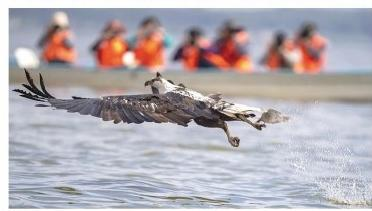
Boat Safaris: A boat trip on the lake is essential. It offers close-up views of hippos, enormous Nile crocodiles, and hundreds of bird species including fish eagles, kingfishers, and pelicans.
Crescent Island Game Sanctuary: This private sanctuary is a pedestrian-only park. Visitors can take a guided walking safari among giraffes, zebras, waterbucks, and wildebeest—a rare and thrilling experience.
Hell’s Gate National Park: Famous for its dramatic scenery of towering cliffs, deep gorges, and geothermal steam vents. It is one of the few parks in Kenya where walking, cycling, and rock climbing are permitted. Fischer’s Tower and the Hell’s Gate Gorge are key landmarks.
Elsamere Conservation Centre: The former home of Joy and George Adamson (of “Born Free” fame), it is now a museum and conservation center. Enjoy afternoon tea while watching colobus monkeys in the garden.
Food & Dining at Lake Naivasha
Lodges and camps provide full-board meals. For those not staying on full board, there are several excellent standalone restaurants. The most famous is Carnelly’s, located on the lake shore, known for its lively atmosphere, fresh pizzas, and lakeside dining.
Transportation to Lake Naivasha
The drive from Nairobi takes approximately 1.5 to 2 hours on the good tarmac of the A104 road. The area around Lake Naivasha is easily navigable by your safari vehicle.
Accommodation Tips
Options include the historic Lake Naivasha Country Club, the luxurious Enashipai Resort & Spa, and charming tented camps like Lake Naivasha Sopa Resort. For a unique experience, consider staying on one of the flower farms that line the lake, which often have their own guesthouses.
Chapter 4: Maasai Mara National Reserve – The Crown Jewel
The final leg of the safari journey is the drive further southwest to the world-famous Maasai Mara National Reserve. This is arguably Kenya’s premier wildlife destination, an extension of Tanzania’s Serengeti plains.
Key Attractions & Activities in the Maasai Mara
The Great Migration: Typically occurring from July to October, this is one of nature’s greatest spectacles. Millions of wildebeest, zebra, and gazelles cross from the Serengeti into the Mara, facing perilous river crossings teeming with crocodiles.
Big Five Game Viewing: The Mara is home to lion, leopard, elephant, buffalo, and rhino (though black rhinos are rare and elusive). The high density of predators, especially lions and cheetahs, is a major draw.
Hot Air Balloon Safari: A once-in-a-lifetime experience. Floating silently over the plains at dawn provides a breathtaking perspective on the landscape and wildlife, usually culminating in a champagne breakfast on the savannah.
Maasai Cultural Experiences: Deeply intertwined with the land, the Maasai people offer cultural tours to their villages where visitors can learn about their traditions, social structure, hunting techniques, and vibrant adornments.
The Mara River: A lifeline through the reserve, it is not only the stage for dramatic migration crossings but also home to large pods of hippos and massive crocodiles.
Food & Dining in the Maasai Mara
As with other park destinations, meals are provided by your accommodation. Camps and lodges often host bush breakfasts or sundowner cocktails in scenic locations, turning meals into memorable events. The quality of food is generally very high, even in mid-range camps.
Transportation to the Maasai Mara
The road journey from Lake Naivasha takes about 4-5 hours, with the final section often being a rough, bumpy track—aptly named an “African massage.” Many opt for a domestic flight from Nairobi Wilson Airport to one of the several airstrips in the Mara, which is faster and offers stunning aerial views.
Accommodation Tips
The Mara offers everything from basic public campsites to ultra-luxurious camps. Top-tier options include Governors’ Camp, Mahali Mzuri, and &Beyond Bateleur Camp. For a more authentic experience, choose a small, intimate tented camp in a private conservancy bordering the main reserve, which often allows for off-road driving and night game drives.
Chapter 5: Return to Nairobi & Departure
The final journey returns to Nairobi. If flying out on the same day, it is crucial to allow ample time for the journey from the Mara, which can be unpredictable due to road conditions. Alternatively, flying back from the Mara to Wilson Airport is highly recommended for those with evening international flights. A day room at an airport hotel like Four Points by Sheraton Nairobi Airport can provide a comfortable place to freshen up before a long flight home.
Safari Preparation & Practical Tips
Best Time to Visit: For general wildlife viewing: January to March and June to October (dry seasons). For the Great Migration: July to October.
Health & Safety: Malaria prophylaxis is recommended. Ensure your routine vaccinations are up-to-date and consider Hepatitis A & B and Typhoid. Drink only bottled or purified water.
Packing Essentials: Pack neutral-colored clothing (khaki, green, beige), a warm jacket for cool mornings, binoculars, a high-SPF sunscreen, a hat, sturdy shoes, and a high-quality camera with a zoom lens.
Tipping Etiquette: Tipping is customary. A general guideline is $10-15 per day for your guide and $7-10 per day for camp staff, pooled amongst them. Tip in US Dollars or Kenyan Shillings.
Cultural Sensitivity: Always ask for permission before photographing people. When visiting Maasai villages, respect local customs and follow your guide’s lead.
A journey through this classic Kenyan circuit is an unforgettable adventure that captures the very essence of Africa—its raw beauty, its majestic wildlife, and the enduring spirit of its people. With careful planning and an open mind, it becomes the trip of a lifetime.