A Grand Danube Journey: Passau, Wachau, Vienna, Budapest, Bratislava
This travel guide details a classic Central European itinerary, a circular route showcasing the majestic Danube River’s splendour as it flows through Germany, Austria, Slovakia, and Hungary. The journey connects historic cities, UNESCO World Heritage landscapes, and rich cultural traditions, offering an unforgettable exploration of the heart of Europe.
Trip Overview and Logistics
This route is typically undertaken over 7 to 14 days, allowing for a thorough exploration of each destination. The core of the journey can be experienced by train and boat, providing scenic and efficient travel between major hubs.
Best Time to Visit: Late spring (May-June) and early autumn (September-October) offer pleasant weather, fewer crowds, and beautiful seasonal colours.
Currency: Germany and Austria use the Euro (€). Hungary uses the Hungarian Forint (HUF). Slovakia uses the Euro (€).
Transportation: An inter-city rail pass (like Eurail or Interrail) is highly recommended for flexibility. River cruises operate between Passau, Vienna, and Budapest for a more leisurely pace. Local trams, metros, and buses are excellent within cities.
Accommodation: A range of options is available, from hostels and pensions to luxury hotels. Booking in advance is crucial, especially during peak season in Vienna and Budapest.
Passau, Germany: The Three Rivers City
Nestled at the German-Austrian border, Passau is a picturesque baroque city famously situated at the confluence of three rivers: the Danube, the Inn, and the Ilz. This unique geography gives it the nickname “Dreiflüssestadt” (Three Rivers City).
Top Attractions
St. Stephen’s Cathedral (Stephansdom): Dominating the old town skyline, this cathedral is home to the largest cathedral organ in the world. Attending an organ concert is a quintessential Passau experience.
Old Town (Altstadt): A maze of narrow, cobblestone streets lined with colourful patrician houses. The Town Hall and the Residenzplatz are key highlights.
Veste Oberhaus: A 13th-century fortress perched high above the city, offering breathtaking panoramic views of the river confluence. It also houses a museum.
Three Rivers Confluence Point (Dreiflüsseeck): The literal point where the three differently coloured rivers meet, best observed from a boat or the Veste Oberhaus.
Food & Drink
Bavarian cuisine reigns supreme here. Expect hearty dishes like
Weißwurst (white sausage) with sweet mustard, Schweinshaxe (pork knuckle), and various dumplings (Knödel). Pair your meal with a locally brewed beer.
Transportation & Accommodation
Passau is easily reached by train from Munich or Vienna. The city is very walkable. Accommodation is concentrated in the Old Town, with many guesthouses offering traditional charm.
The Wachau Valley, Austria: A UNESCO Gem
The journey from Passau to Vienna traverses the Wachau Valley, a 40-kilometre stretch of the Danube that is a UNESCO World Heritage Site. This is a landscape of vineyard-terraced hills, medieval castles, and charming apricot-growing villages.
Top Attractions
Melk Abbey (Stift Melk): A magnificent yellow-baroque Benedictine abbey that towers over the town of Melk. Its library and marble hall are stunning.
Dürnstein: A postcard-perfect town known for its blue-and-white baroque tower and the ruins of Kuenringer Castle, where Richard the Lionheart was once imprisoned.
Krems an der Donau: The eastern gateway to the Wachau, with a well-preserved old town and its Steiner Tor gate.
River Cruise: The best way to experience the Wachau is by boat. Several companies offer trips between Melk and Krems, allowing you to soak in the scenery from the water.
Food & Drink
The Wachau is famous for its wine, particularly Riesling and Grüner Veltliner. Visit local
Heurigen (taverns) for a glass of young wine. Don’t miss Marillenknödel (apricot dumplings) and other products made from the region’s renowned apricots.
Transportation & Accommodation
Trains run along the valley, but a combination of boat and bike is highly recommended. The Danube Bike Path (Donauradweg) is one of Europe’s most popular cycling routes. Charming guesthouses and hotels can be found in towns like Dürnstein and Spitz.
Vienna, Austria: The Imperial Capital
Vienna, a city of music, art, and imperial history, awaits at the end of the Wachau Valley. As the former seat of the Habsburg monarchy, it is brimming with opulent palaces, world-class museums, and a vibrant coffee house culture.
Top Attractions
Schönbrunn Palace: The spectacular summer residence of the Habsburgs. A tour of the rococo state rooms and a stroll through its vast gardens are essential.
St. Stephen’s Cathedral (Stephansdom): The Gothic centerpiece of Vienna, with its iconic colourful-tiled roof.
Belvedere Palace: A beautiful baroque complex housing an art museum with the world’s largest collection of Gustav Klimt paintings, including “The Kiss.”
The Hofburg: The former imperial palace in the city center, now home to the Spanish Riding School, the Sisi Museum, and the imperial apartments.
Vienna State Opera: Attend a world-class opera or ballet performance, or take a guided tour of this historic building.
Food & Drink
Vienna’s coffee house culture is UNESCO-listed. Spend an afternoon at Café Sacher for the original Sacher-Torte or at a traditional
Beisl (tavern) for Wiener Schnitzel and a glass of Gemischter Satz wine. Don’t forget to try Apfelstrudel.
Transportation & Accommodation
Vienna has an excellent U-Bahn (subway), tram, and bus network. The city is divided into districts; staying within the Ringstrasse (District I) or in adjacent districts like Leopoldstadt or Mariahilf offers good access to sights. Vienna is a major international rail hub.
Budapest, Hungary: The Pearl of the Danube
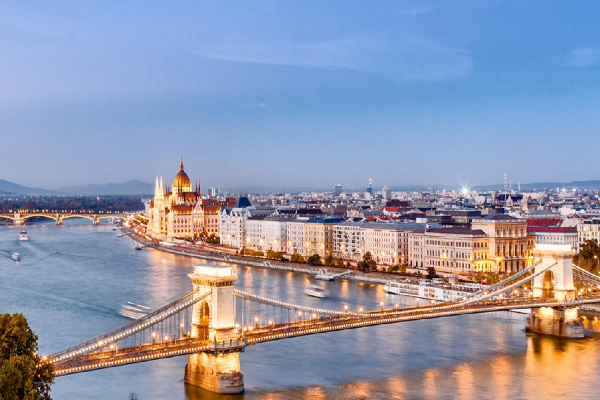
A short train ride southeast of Vienna lies Budapest, Hungary’s stunning capital, often called the “Paris of the East.” The city is defined by the Danube, with historic Buda on one side and vibrant Pest on the other.
Top Attractions
Buda Castle & Castle Hill: A UNESCO World Heritage site housing the Hungarian National Gallery and Budapest History Museum. The area is a labyrinth of medieval streets.
Fisherman’s Bastion: A fairytale-like terrace next to Matthias Church, offering the city’s most famous panoramic views over the Danube and Pest.
Hungarian Parliament Building: An iconic neo-Gothic masterpiece on the Pest side of the river. Guided tours are available.
Szent István Bazilika (St. Stephen’s Basilica): Budapest’s largest church, dedicated to the first king of Hungary.
The Széchenyi Thermal Baths: One of Europe’s largest spa complexes. Bathing in its outdoor pools is a quintessential Budapest experience, even in winter.
Food & Drink
Hungarian cuisine is flavorful and hearty. Must-try dishes include
Goulash (a meat and vegetable stew), Lángos (deep-fried dough with toppings), and chicken paprikash. Sample Tokaji dessert wine and Unicum herbal liqueur. Visit the Great Market Hall for a culinary immersion.
Transportation & Accommodation
Budapest has a reliable metro, tram, and bus system. The city is very walkable, but public transport is useful for crossing between Buda and Pest. Accommodation is plentiful in Pest, particularly in the Jewish Quarter (District VII) for nightlife, or near the river for views.
Bratislava, Slovakia: The Charming Capital
A convenient day trip or stopover between Vienna and Budapest, Bratislava is Slovakia’s compact and charming capital. Its relaxed atmosphere and beautifully restored old town offer a pleasant contrast to its larger neighbours.
Top Attractions
Bratislava Castle: Sitting on a hill overlooking the Danube and the city, the castle’s white walls are a city landmark. The views from the grounds are spectacular.
Old Town (Staré Mesto): A pedestrian-friendly zone with picturesque squares like Hlavné Námestie, historic churches, and quirky bronze statues like Čumil (the “Man at Work”).
St. Martin’s Cathedral: A Gothic cathedral where numerous Hungarian kings and queens were crowned.
UFO Tower (Nový Most): Atop the pylon of the SNP Bridge, this observation deck offers a unique 360-degree view of the city. It also houses a restaurant.
Food & Drink
Slovak food is hearty. Try
Bryndzové Halušky (potato dumplings with sheep cheese and bacon), Kapustnica (sauerkraut soup), and Slovak wines from the nearby Little Carpathian region. Enjoy a beer in one of the many outdoor cafes in the main square.
Transportation & Accommodation
Bratislava is only about an hour by train or boat from Vienna. The city center is very compact and easily explored on foot. Accommodation is concentrated in and around the Old Town, ranging from hostels to boutique hotels.
The Return Journey: Wachau to Passau
The return leg from Vienna or Bratislava back to Passau allows for another opportunity to experience the Wachau Valley. Consider stopping at a different town than on your way east, perhaps for a wine tasting or a bike ride along a different section of the Danube path. This brings the journey full circle, concluding in the serene baroque beauty of Passau.
Cruise vs. Independent Travel
Travellers have two primary options for this itinerary:
River Cruise: Offers a seamless, all-inclusive experience with accommodation, meals, and transportation handled. It provides effortless scenic travel through the Wachau Valley but offers less time for independent exploration in cities.
Independent Travel: Provides maximum flexibility and freedom. Using a combination of trains for speed and boats for scenic stretches allows you to set your own pace, linger in favourite spots, and discover hidden gems off the tourist trail. This guide is primarily tailored for independent travellers.
Cultural Insights and Practical Tips
Tipping: In Germany and Austria, rounding up the bill or leaving 5-10% is customary. In Hungary and Slovakia, 10-15% is standard if service isn’t included.
Language: English is widely spoken in tourist areas in Vienna, Budapest, and Bratislava. Learning a few basic phrases in German (“Guten Tag,” “Danke”) and Hungarian (“Köszönöm” for thank you) is appreciated.
Siesta/City Pace: Note that smaller shops in smaller towns in Austria and Germany may close for a few hours in the afternoon. The pace of life is generally more relaxed in Passau and Bratislava compared to bustling Vienna and Budapest.
Spa Culture: Embrace the thermal bath culture in Budapest. It’s a social activity as much as a wellness one. Remember to bring your swimsuit and a towel.
Cafe Etiquette: In Viennese coffee houses, your table is yours for as long as you like. The waiter will not bring the bill until you ask for it (“Zahlen, bitte”).