The Ultimate Iceland Ring Road Travel Guide: Reykjavik to the Ring Road and Back
This comprehensive guide details a classic 10-14 day self-drive itinerary around Iceland’s Ring Road (Route 1), venturing into the majestic highlands and exploring the diverse landscapes that make this country unique. The journey encapsulates the essence of Iceland, from its vibrant capital to its serene fjords, powerful waterfalls, vast glaciers, and volcanic wonders.
Introduction to the Itinerary
This route is designed as a circular tour starting and ending in Reykjavík. It covers the world-famous Golden Circle, the dramatic South Coast, the otherworldly East Fjords, the geothermal and volcanic north, and the mystical Snæfellsnes Peninsula. Travelers should allocate a minimum of 10 days for this trip, though 14 days allows for a more relaxed pace and deeper exploration. The best time to embark on this journey is from May to September when roads are clear, and daylight is abundant.
Chapter 1: Reykjavik & The Golden Circle
The adventure begins in Reykjavik, Iceland’s northernmost capital. A compact and creative city, it serves as the perfect launchpad. Key attractions include the towering Hallgrímskirkja church, the panoramic viewing deck at Perlan, and the vibrant Harpa Concert Hall. The old harbor area is perfect for sampling local cuisine or embarking on a whale-watching tour.
Food Recommendation: Enjoy a hearty lobster soup at Saegreifinn (The Sea Baron) in the harbor, or try a modern Icelandic tasting menu at Dill or Grillmarkaðurinn (The Grill Market). For a quick, classic bite, try an Icelandic hot dog with “the works” from Bæjarins Beztu Pylsur.
The Golden Circle, a short drive from Reykjavik, is a must-see trio of attractions:
Þingvellir National Park: A site of historical and geological significance, where the North American and Eurasian tectonic plates are visibly pulling apart. It was also the original site of Iceland’s ancient parliament, the Alþingi.
Geysir Geothermal Area: Home to the active Strokkur geyser, which erupts every 5-10 minutes, shooting boiling water up to 30 meters into the air.
Gullfoss (Golden Falls): A massive, two-tiered waterfall cascading into a deep canyon, creating a spectacular display of raw power and beauty.
Transportation: Reykjavik is easily navigated on foot. For the Golden Circle, renting a car is the most flexible option. Organized bus tours are also widely available.
Accommodation Tip: Stay in central Reykjavik for city life or consider a countryside hotel or guesthouse near Selfoss or Hveragerði for proximity to the Golden Circle.
Chapter 2: The South Coast to Vatnajökull National Park
Traveling east along the Ring Road reveals the dramatic South Coast, famous for its waterfalls, black sand beaches, and glacier views.
Seljalandsfoss & Gljúfrabúi: A beautiful waterfall you can walk behind. A short walk away is the hidden Gljúfrabúi waterfall, nestled in a canyon.
Skógafoss: A powerful, wide waterfall where visitors can climb stairs to the top for a breathtaking view.
Reynisfjara Black Sand Beach: Near the village of Vík, this beach features towering basalt columns, dramatic sea stacks, and powerful “sneaker waves” – caution is advised.
Sólheimajökull Glacier: A glacial tongue extending from the larger Mýrdalsjökull ice cap. Guided glacier hikes are available here.
Further east lies Vatnajökull National Park, home to Europe’s largest glacier.
Vatnajökull Glacier: Offers opportunities for glacier hiking and ice climbing with certified guides.
Skaftafell Nature Reserve: A beautiful area within the park, perfect for hiking to viewpoints like Svartifoss, a waterfall framed by dark basalt columns.
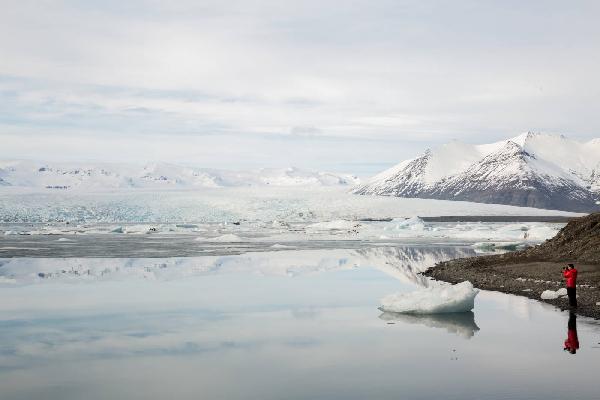
Jökulsárlón Glacier Lagoon & Diamond Beach: A stunning lagoon filled with icebergs calved from the glacier. Across the road, icebergs wash ashore on the black sand Diamond Beach, creating a magical scene.
Food Recommendation: Stop at a roadside café in Vík for traditional lamb soup. Near Jökulsárlón, try fresh langoustine at Humarhöfnin in Höfn.
Accommodation Tip: Accommodations are limited in this region; book well in advance. Options range from hotels in Höfn to guesthouses and farm stays in Kirkjubæjarklaustur.
Chapter 3: The East Fjords, Djúpivogur & The Wilderness Center
The Ring Road winds through the serene and sparsely populated East Fjords, characterized by steep mountains plunging into deep, narrow fjords.
East Fjords Scenery: The drive itself is the attraction, with picturesque fishing villages like Eskifjörður and Seyðisfjörður dotted along the route. Seyðisfjörður is known for its colorful buildings and is the ferry port from Europe.
Djúpivogur: A charming small town known for its art installation “The Eggs of Merry Bay,” representing local bird species. It’s a peaceful stop with a lovely harbor.
The Wilderness Center (Öræfi): A unique museum and accommodation that immerses visitors in the history and folklore of Iceland’s harsh eastern wilderness. It offers insights into how people survived in this remote region.
Stuðlagil Canyon: A recently discovered basalt column canyon with stunning turquoise water. Access requires a hike, but the otherworldly landscape is well worth the effort.
Cultural Insight: The East Fjords have a strong fishing heritage. The communities are tight-knit, and life here is deeply connected to the sea and the rugged terrain.
Accommodation Tip: The Wilderness Center offers a truly unique historical lodging experience. Alternatively, cozy guesthouses in towns like Breiðdalsvík or Egilsstaðir provide comfort and local hospitality.
Chapter 4: Mývatn & Goðafoss to Akureyri
The landscape transforms as you enter North Iceland, a region defined by violent volcanic activity.
Mývatn Lake Area: A geothermal wonderland. Key sites include the bubbling mud pots of Námaskarð, the pseudo-craters at Skútustaðir, the Krafla volcano and Viti crater, and the otherworldly lava formations of Dimmuborgir.
Mývatn Nature Baths: A more rustic and affordable alternative to the Blue Lagoon, offering geothermal relaxation with stunning views.
Goðafoss (Waterfall of the Gods): A stunning, semi-circular waterfall steeped in history. It is said that upon converting to Christianity, lawmaker Þorgeir Ljósvetningagoði threw his statues of the Norse gods into this waterfall.
Akureyri: Iceland’s “Capital of the North.” This vibrant town boasts beautiful botanical gardens, the iconic Akureyrarkirkja church, and a charming downtown. It’s an excellent base for exploring the region.
Food Recommendation: In Akureyri, visit Strikið for fine dining with a view, or try the burgers at Bautinn. Around Mývatn, many hotels serve local specialties like smoked trout or lamb.
Accommodation Tip: Stay in Akureyri for urban comforts or choose a hotel or cottage around Lake Mývatn to be closer to the natural attractions.
Chapter 5: Tröllaskagi Peninsula & Siglufjörður
A detour from the Ring Road onto the Tröllaskagi (Troll Peninsula) is highly recommended for its dramatic coastal scenery and impressive mountains.
Siglufjörður: A historic herring fishing town at the tip of the peninsula. The Herring Era Museum is award-winning and fascinating, detailing the “herring boom” that shaped the town.
Tröllaskagi Drive: The roads connecting Siglufjörður to Akureyri (and beyond) feature several new tunnels and offer breathtaking views of steep mountains and deep fjords. It’s a popular area for skiing and hiking.
Dalvík: A quiet fishing village with a beautiful setting, often used as a base for whale watching tours from nearby Hjalteyri.
Transportation: This section requires a car. Be aware that some roads are narrow and winding, though well-maintained.
Chapter 6: West Iceland: Laugarbakki to Borgarnes
The journey continues southwest through less-traveled but historically rich West Iceland.
Laugarbakki: A small village offering a good stopover with basic services and accommodation.
Reykholt & Borgarfjörður: A valley rich with history and literary significance. Reykholt was the home of Snorri Sturluson, the medieval poet and historian who wrote the Prose Edda. The area is also home to stunning waterfalls.
Hraunfossar & Barnafoss: A series of beautiful and unique waterfalls where water emerges from underneath a lava field (Hraunfossar) and flows into a narrow, dramatic gorge (Barnafoss).
Borgarnes: The main service town of the region. The Settlement Center offers excellent exhibitions on Iceland’s early history and the Saga of Egill Skallagrímsson.
Cultural Insight: This region is the heartland of the Icelandic Sagas. Understanding the stories of Egill Skallagrímsson and Snorri Sturluson adds a profound layer of meaning to the landscape.
Chapter 7: The Snæfellsnes Peninsula
Often called “Iceland in Miniature,” the Snæfellsnes Peninsula encapsulates many of the country’s iconic features, dominated by the glacier-capped stratovolcano Snæfellsjökull.
Snæfellsjökull National Park: The glacier was made famous by Jules Verne’s “Journey to the Center of the Earth.” The park features dramatic lava fields and coastal cliffs.
Kirkjufell Mountain: Arguably Iceland’s most photographed mountain, especially with the nearby Kirkjufellsfoss waterfall in the foreground.
Arnarstapi & Hellnar: Charming coastal villages connected by a scenic coastal path along cliffs with fascinating rock formations and rich birdlife.
Djúpalónssandur Black Pebble Beach: A dramatic cove with lifting stones once used to test the strength of fishermen.
Saxhóll Crater: A relatively easy-to-climb volcanic crater offering panoramic views of the surrounding lava fields.
Food Recommendation: Enjoy fresh fish at a restaurant in Stykkishólmur or Arnarstapi. The Norwegian House in Hellnar is famous for its fish soup and historical ambiance.
The Return to Reykjavik
The final leg of the journey is a short drive from the Snæfellsnes Peninsula back to Reykjavik. This marks the end of an epic circuit around one of the world’s most geologically dynamic and visually stunning countries. Travelers often use this last evening to revisit a favorite Reykjavik restaurant, relax in a local swimming pool, or simply reflect on the incredible landscapes witnessed.
Practical Travel Information
Best Time to Travel: May to September for optimal driving conditions and accessibility. June and July offer 24-hour daylight (Midnight Sun).
Transportation: A 4×4 vehicle is recommended for this itinerary, especially if planning to explore any F-roads (highland roads, typically open only in summer). Book rental cars far in advance.
Accommodation: Book all accommodations months ahead, especially for summer travel. Options range from hotels and guesthouses to farm stays and Airbnb rentals.
Packing Essentials: Waterproof and windproof outer layers, warm clothing (even in summer), sturdy hiking boots, swimsuit for hot springs, eye mask for sleeping during the midnight sun, and a power adapter.
Budgeting: Iceland is expensive. Budget significantly for food, fuel, and accommodation. Cooking your own meals from supermarket groceries can help manage costs.
Respect Nature: Always stay on marked paths, never drive off-road, and be acutely aware of weather conditions, which can change rapidly.